![Gossip Lanka News [English]](https://blogger.googleusercontent.com/img/a/AVvXsEhYm2aFFq-bIW1nWX-RrqnPFoIsVos6_VCVz8BpLt0QJi55GNXHXC2fugeRvL0qUStEuCfs7Sfu6ZiSlhrkldxfGuE_wzy5gitY6rMZ2KSi8VBbGvkgXLks37RwZV-4-HKbWiNLRxB8C_r1e4z3mpxFTMPDJPEADoG8E-bZteWFipeD5KNGbjvCfqEfKw=s300 "Gossip Lanka News [English]")
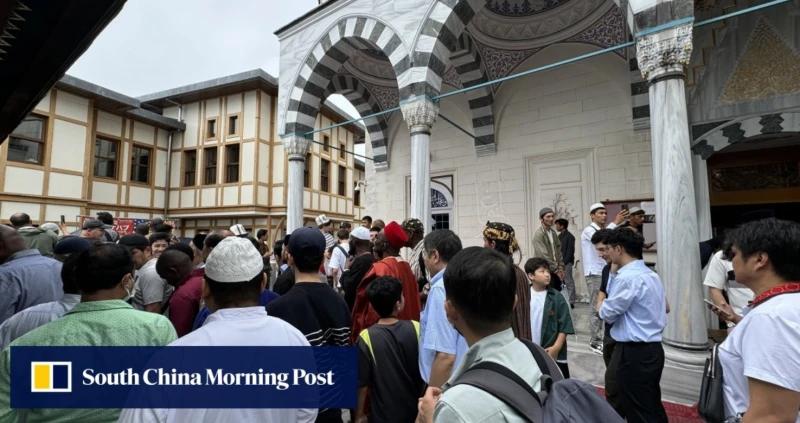
A severe crisis has emerged in Japan regarding the fulfillment of burial ground needs for the Muslim community residing there. Although a growing Muslim population of approximately 200,000 to 350,000, including foreign workers, residents, and converts, lives in Japan, the problem has been exacerbated by the country's strong cultural inclination towards cremation and protests at the local level.
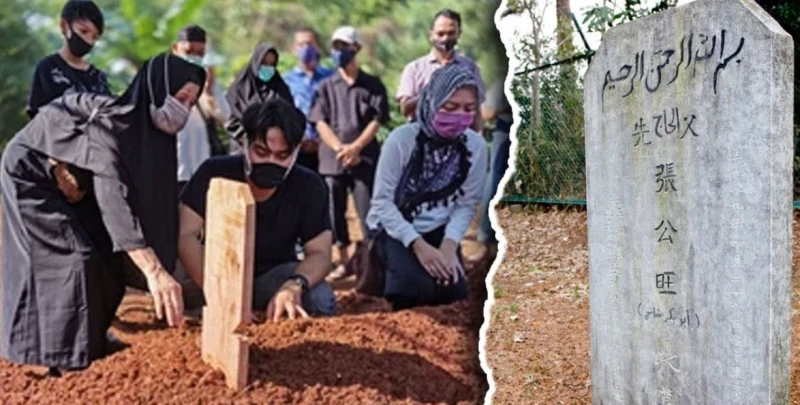
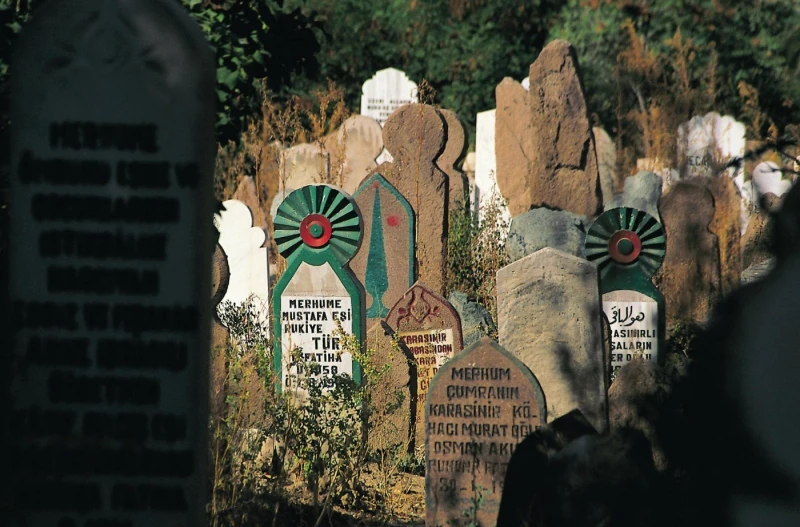
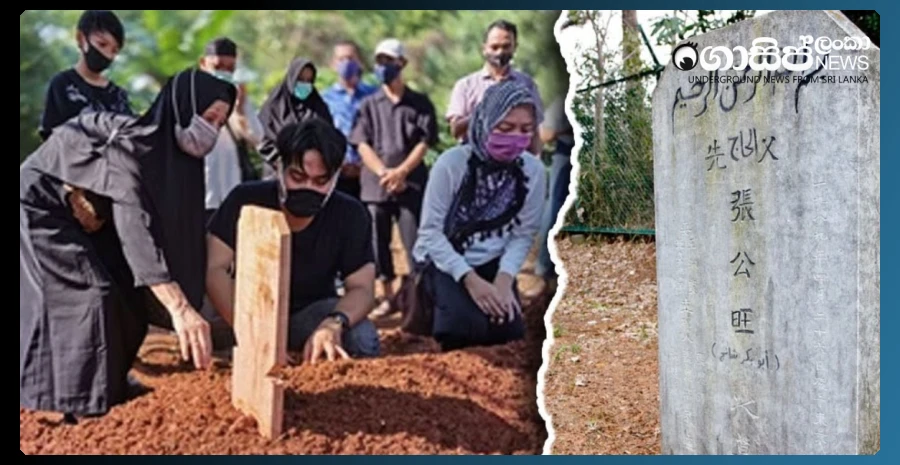
According to Islamic religious beliefs, cremation of bodies is completely forbidden, and it is mandatory to cleanse the body and bury it facing Mecca. However, due to limited land, health policies enacted after World War II, and Buddhist as well as Shinto religious traditions, Japan has become a country with a cremation rate exceeding 99.9 percent. Currently, there are only about seven to ten places across Japan where Muslims can perform burials, and the majority of these are limited to areas in Eastern Japan such as Hokkaido, Shizuoka, and Yamanashi.
In light of this situation, with the growth of workers from countries like Indonesia, Pakistan, and Bangladesh, community organizations such as the Beppu Muslim Association are making strenuous efforts to secure dedicated or multi-faith cemeteries for their people. They emphasize that such facilities are essential for them to respectfully practice their religious rites and to integrate well with Japanese society.
However, these requests have met with strong opposition both locally and politically. Residents express serious concerns about potential contamination of groundwater, soil pollution, and harm to agriculture and water sources. Furthermore, due to Japan's cultural image as a cremation-oriented country, many consider allocating scarce land resources for burial to be unfair and disruptive.
As a result of these protests, the Beppu Muslim Association's plan to build a cemetery in Hiji Town, Oita Prefecture, was halted midway due to petitions from local residents. In the 2024 mayoral election, the candidate who opposed the plan won and completely blocked the sale of the relevant land. Similarly, Miyagi Prefecture Governor Yoshihiro Murai initially supported providing a cemetery for foreign workers as a solution to labor shortages, but due to opposition from local mayors and over a thousand protests from the public, he was forced to backtrack on that decision in September 2025, ahead of an election.
At the national political level, right-wing politicians like Mizuho Umemura and some representatives of the ruling Liberal Democratic Party have openly opposed the expansion of these burial grounds. Statements advocating for bodies to be taken back to their home countries for burial, and that it is inappropriate to allocate land in Japan, a cremation-oriented country, for this purpose, spread widely through social media. However, burial in Japan is not illegal, and no national-level ban has been imposed. Cemeteries operate in some locations, and the government also conducts surveys on this matter through municipal councils. Nevertheless, due to the severe difficulty in obtaining local regulations and community consent, burying their dead has become an extremely challenging task for Muslims in Japan.