![Gossip Lanka News [English]](https://blogger.googleusercontent.com/img/a/AVvXsEhYm2aFFq-bIW1nWX-RrqnPFoIsVos6_VCVz8BpLt0QJi55GNXHXC2fugeRvL0qUStEuCfs7Sfu6ZiSlhrkldxfGuE_wzy5gitY6rMZ2KSi8VBbGvkgXLks37RwZV-4-HKbWiNLRxB8C_r1e4z3mpxFTMPDJPEADoG8E-bZteWFipeD5KNGbjvCfqEfKw=s300 "Gossip Lanka News [English]")
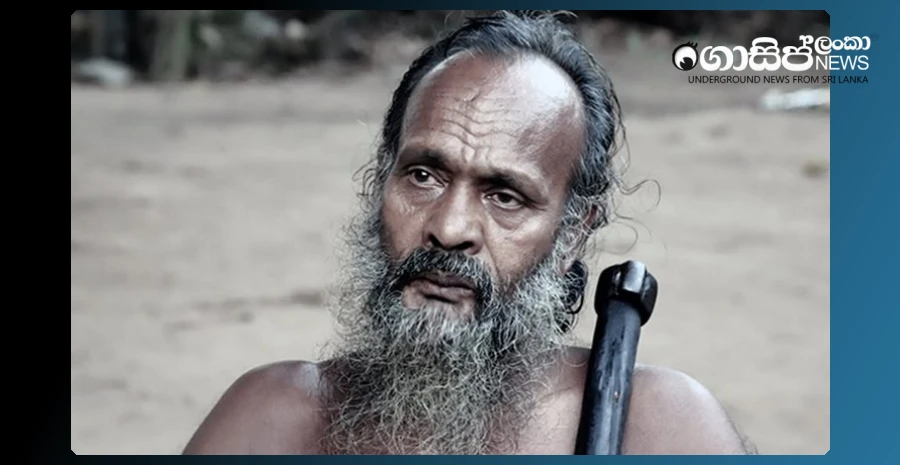
The leader of the Rathugala indigenous village, belonging to the Madulla division of Monaragala District, Danigala Maha Bandalage Suda Wannila Eththo, has passed away. He was sixty-two years old at the time of his death and passed away while receiving residential treatment at the Welisara Chest Hospital.
The Rathugala Vedda community, considered one of the oldest indigenous groups in Sri Lanka, is believed to be descended from prehistoric humans dating back ten to forty thousand years. According to folklore, this community, mentioned in the Mahavamsa as descendants of Kuveni's children, are historically recognized as the island's earliest inhabitants, living here even before the emergence of Sinhala and Tamil settlements around the sixth century BCE.
This village was established in the 1950s when seven families living in the Danigala area, with the aim of preserving their traditional way of life, rejected government grants and compensation and migrated to a rock cave in Rathugala, following the construction of the Senanayake Samudraya reservoir near the Gal Oya National Park. Compared to other indigenous villages like Dambana, the Rathugala community has experienced less commercialization and has managed to strictly protect their ancestral traditions even while interacting with Sinhala farmers and Muslim traders.
Their main livelihood involves hunting in the forest using bows and arrows, axes, and spears, as well as living in harmony with nature by gathering honey, fruits, and yams. This community, whose fundamental belief is the worship of the spirits of the dead, or 'Nae Yakun', continues to practice traditional rituals like 'Kiri Koraha', folk songs, and hunting dances to this day. Although they possess their own unique ancient language, it is now mixed with Sinhala words in current usage.
Leaders like the late Suda Wannila Eththo and Deputy Leader Gunabandila Eththo have played a significant role in passing on this culture to future generations through the Rathugala Indigenous Heritage Center. Facing the challenge of preserving their identity due to modernization, land acquisitions, and restricted access to forests, this small community continues to advocate for their traditional land rights while generating some income through tourism.