![Gossip Lanka News [English]](https://blogger.googleusercontent.com/img/a/AVvXsEhYm2aFFq-bIW1nWX-RrqnPFoIsVos6_VCVz8BpLt0QJi55GNXHXC2fugeRvL0qUStEuCfs7Sfu6ZiSlhrkldxfGuE_wzy5gitY6rMZ2KSi8VBbGvkgXLks37RwZV-4-HKbWiNLRxB8C_r1e4z3mpxFTMPDJPEADoG8E-bZteWFipeD5KNGbjvCfqEfKw=s300 "Gossip Lanka News [English]")
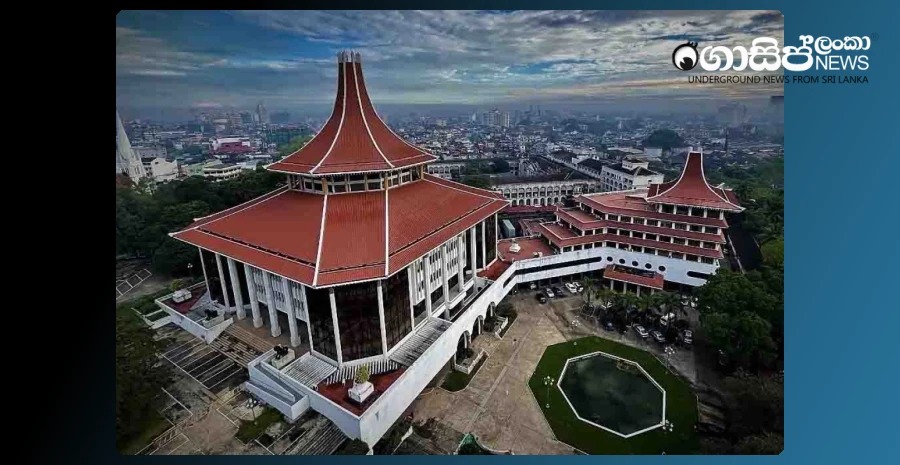
The legal community has expressed serious concern over the continuous delay in filling judge vacancies in Sri Lanka's highest courts, the Supreme Court and the Court of Appeal. Under this situation, which has persisted for several months, it is reported that up to eight judicial positions are currently vacant in the two superior courts.
This delay has severely impacted the formal appointment process expected by the Constitution, and it has also become a serious impediment to the smooth functioning of the entire justice delivery mechanism.Concurrently with this crisis in the superior courts, there is also a member vacancy in the Judicial Service Commission (JSC), which is responsible for the administrative and supervisory functions of the lower court system. Following the retirement of former Supreme Court Justice S. Thureiraja, no new member has yet been appointed to that position. Legal professionals believe that the necessity to continue the functions of the Judicial Service Commission without full membership poses a significant challenge to the efficiency and proper administration of the lower courts.
Experts in the field warn that the delay in appointing judges not only creates a risk of case backlogs in the courts but can also severely damage the independence of the judiciary and public trust. Therefore, they request President Anura Kumara Dissanayake and the Constitutional Council to take steps to expeditiously fill the relevant vacancies based on seniority, in accordance with Article 107 (1) of the Constitution. According to the law, the power to appoint Supreme Court and Court of Appeal judges rests with the President, and obtaining the approval of the Constitutional Council is a mandatory condition for such appointments.