![Gossip Lanka News [English]](https://blogger.googleusercontent.com/img/a/AVvXsEhYm2aFFq-bIW1nWX-RrqnPFoIsVos6_VCVz8BpLt0QJi55GNXHXC2fugeRvL0qUStEuCfs7Sfu6ZiSlhrkldxfGuE_wzy5gitY6rMZ2KSi8VBbGvkgXLks37RwZV-4-HKbWiNLRxB8C_r1e4z3mpxFTMPDJPEADoG8E-bZteWFipeD5KNGbjvCfqEfKw=s300 "Gossip Lanka News [English]")
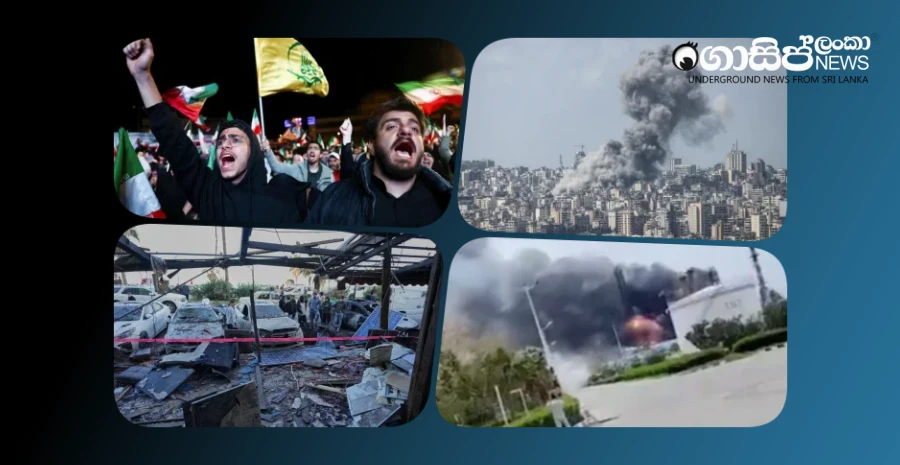
Just hours after the announcement of the historic ceasefire that brought temporary relief to the Middle East region, the existence of that agreement is under severe threat amidst massive airstrikes and bombing attacks targeting infrastructure.
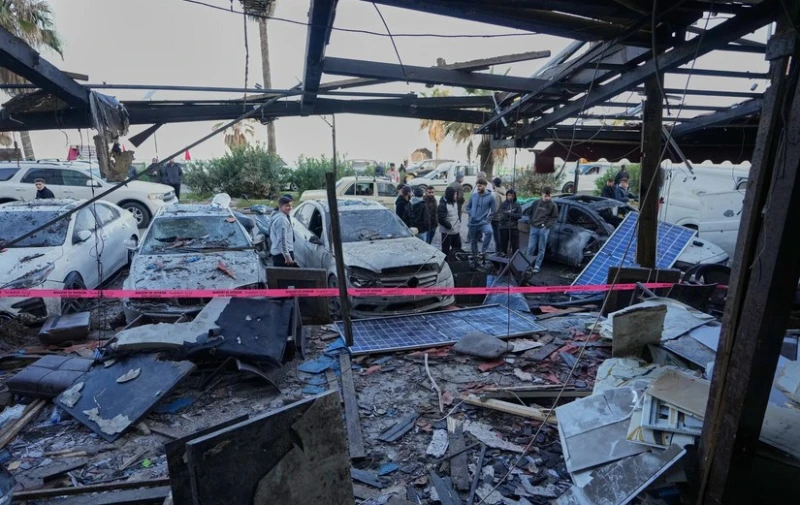
A two-week ceasefire between the United States, Israel, and Iran was announced on April 8, 2026, following the intervention of Pakistani Prime Minister Shehbaz Sharif and General Asim Munir. The main conditions were the reopening of the Strait of Hormuz and the cessation of attacks against Iran. However, the United States and Israel have stated that this ceasefire does not include Hezbollah in Lebanon, and significant numbers of people have died due to massive Israeli airstrikes on Lebanon. According to reports, there are some variations in the death toll (various reports indicate between 182 and 254 people have died).
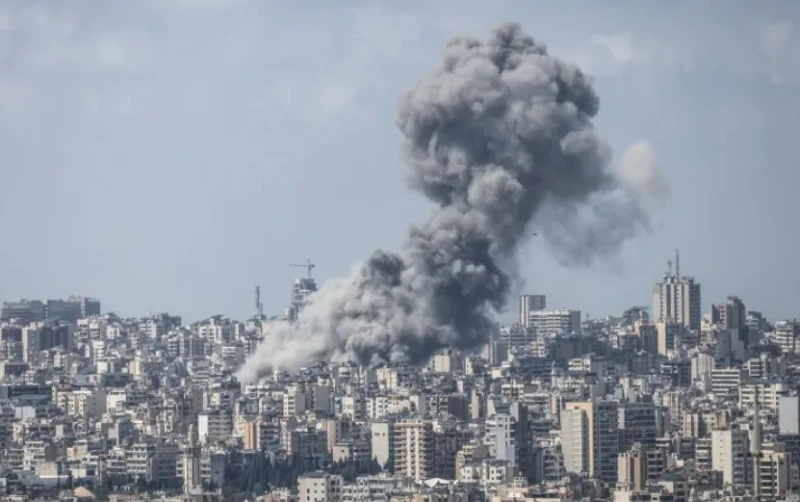
More than a thousand civilians were injured in attacks on over 100 locations within 10 minutes in populated areas of Lebanon, including Beirut and the Beqaa Valley. Panicked people were seen fleeing through the streets of Beirut, which were covered in black smoke. Additionally, three young children were injured in an Iranian missile attack on southern Israel.
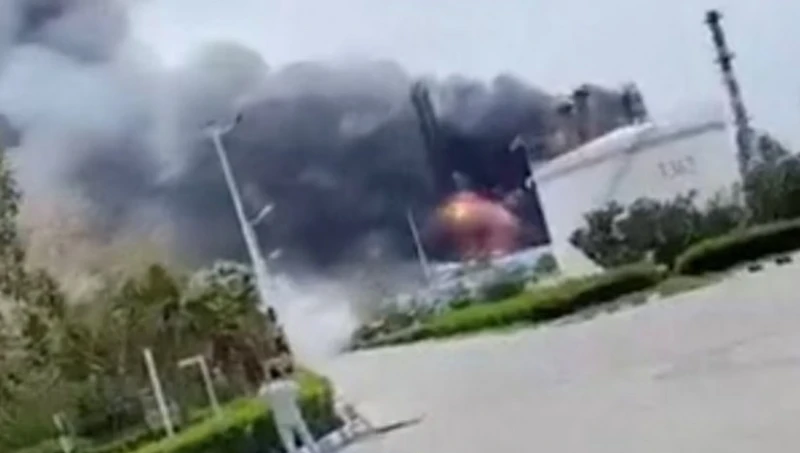
This situation has raised fears of escalating into a global energy crisis. Even after the ceasefire was announced, an "enemy attack" occurred on an oil refinery on Lavan Island, a major Iranian export hub. In response, Iran launched attacks with 28 drones on Kuwait's electricity and water treatment plants, creating water and electricity shortages affecting thousands in that country. The United Arab Emirates and Bahrain have also taken steps to counter Iranian attacks.
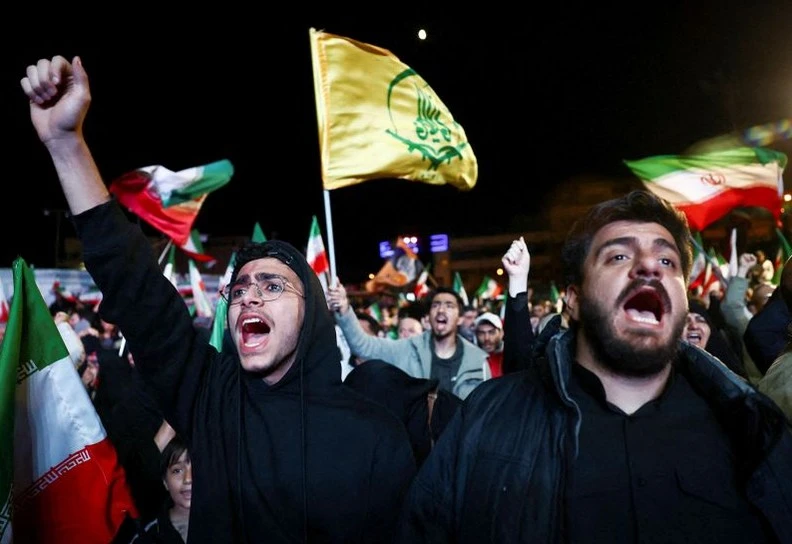
Iranian Parliament Speaker Mohammad Bagher Ghalibaf accuses that three conditions of the ceasefire have already been blatantly violated. The Iranian Revolutionary Guard Corps (IRGC) has warned that if attacks on Lebanon are not immediately stopped, a 'regrettable response' will be given. However, Israeli Prime Minister Benjamin Netanyahu states that Israel has launched its largest attack on Hezbollah since the ground operation began.
The international community is closely watching the peace talks scheduled to be held in Pakistan this coming Saturday, led by US Vice President J.D. Vance. However, experts point out that due to the unresolved crisis in the Strait of Hormuz (the US demands its complete opening, while Iran states it will destroy unauthorized vessels) and ongoing conflicts in the region, the ceasefire could collapse at any moment during this critical two-week period.
The blood spilled before the ink could dry on the documents of peace, reminds the world that the true end of the Middle East crisis is still far away.