![Gossip Lanka News [English]](https://blogger.googleusercontent.com/img/a/AVvXsEhYm2aFFq-bIW1nWX-RrqnPFoIsVos6_VCVz8BpLt0QJi55GNXHXC2fugeRvL0qUStEuCfs7Sfu6ZiSlhrkldxfGuE_wzy5gitY6rMZ2KSi8VBbGvkgXLks37RwZV-4-HKbWiNLRxB8C_r1e4z3mpxFTMPDJPEADoG8E-bZteWFipeD5KNGbjvCfqEfKw=s300 "Gossip Lanka News [English]")
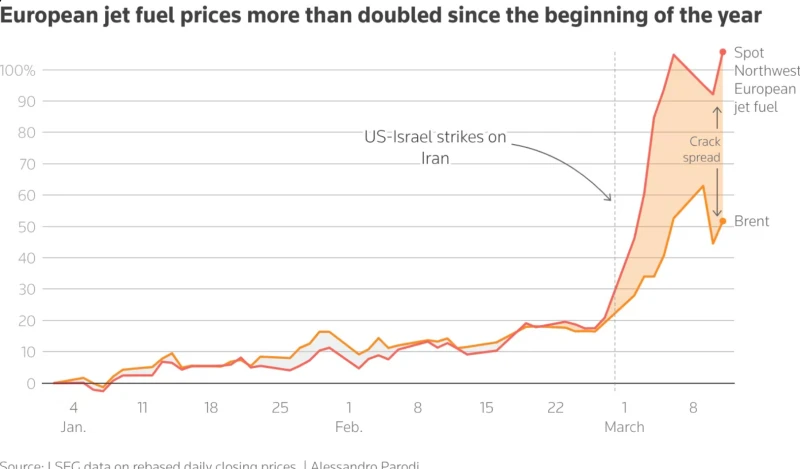
Europe is facing a severe crisis of flight cancellations and rising airfares across the continent due to disruptions in supplies through the Strait of Hormuz, exacerbated by the Iranian crisis escalating since late February 2026. Partial blockages in this critical sea lane, which normally handles about 20% of global oil transport, have led to a 70% to 80% drop in oil tanker traffic.
This reduction has severely impacted the European aviation industry, as 30% to 40% of Europe's required jet fuel imports are sourced from the Middle East, and overall, 50% to 75% of Europe's aviation fuel supply network relies on the Middle East.With the escalation of conflicts, reduced refinery production, rerouting of shipping lanes, and fears about supplies have caused jet fuel prices to roughly double. Europe typically holds limited commercial fuel stocks, sufficient for about one month's demand, and by mid-April 2026, the International Energy Agency (IEA) warned that Europe had only enough fuel reserves for about six weeks. Although EU officials report no widespread actual shortages yet, rising costs and precautionary measures are already exerting significant pressure, leading the EU to focus heavily on alternative routes such as increasing imports from the United States, minimum stockholding obligations, and building shared reserves.
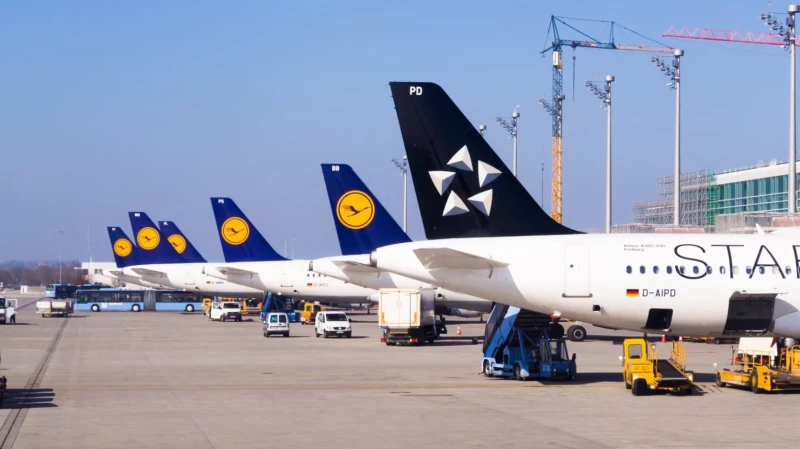
Lufthansa Group, the main airline most severely affected by this crisis, has announced the cancellation of approximately 20,000 short-haul flights between May and October 2026, with the aim of saving over 40,000 metric tons of jet fuel. Additionally, they have decided to completely ground the 27-aircraft Lufthansa CityLine fleet and focus solely on profitable main routes. Flights from Frankfurt to Bydgoszcz and Rzeszów in Poland, as well as Stavanger in Norway, have been entirely cancelled, while numerous other destinations, including Heringsdorf, Cork, Gdańsk, and Ljubljana, have been consolidated via alternative routes. They have already taken steps to cut about 120 flights per day until the end of May.
In addition to Lufthansa, several other airlines are implementing thousands of flight cancellations. KLM has cancelled approximately 160 flights within Europe, and Scandinavian SAS has cut about 1,000 additional flights in April, following cancellations made in March. Aer Lingus has made about 2% changes to its schedule, while numerous other European and Asia-Pacific airlines, including Air France-KLM, United, and Transat, have taken steps to reduce flight frequencies, raise fares, and increase baggage fees.
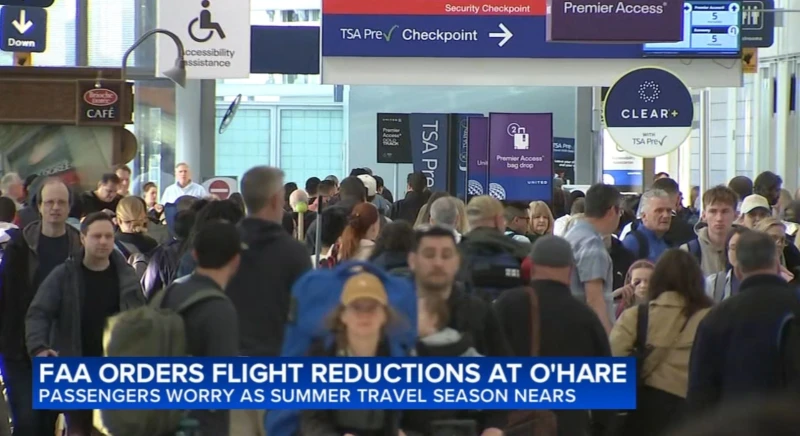
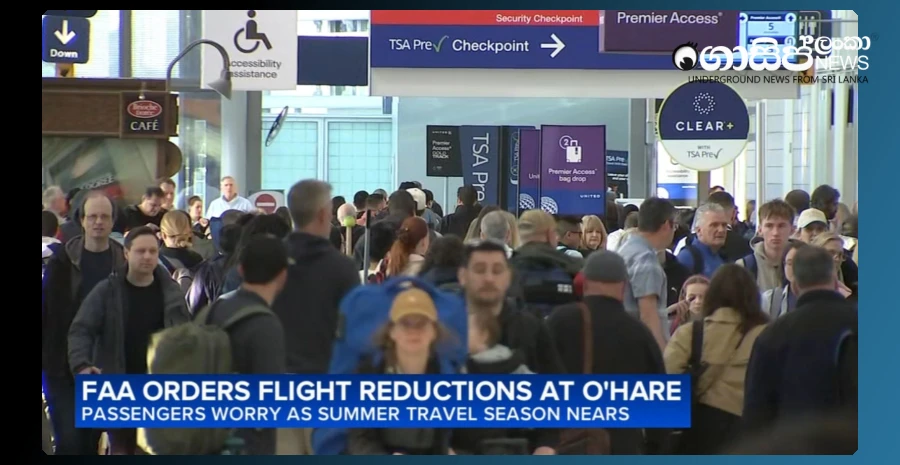
This situation has severely impacted Europe's summer travel season from May to October, and passengers will have to contend with higher airfares and limited travel options. Reduced options for European short-haul travel may also disrupt long-haul connections, and significant congestion is expected at airports. It is important for travelers to book tickets in advance or maintain flexible travel plans, and it is essential to be aware of their refund rights under the EU's EU261 regulations in case of flight cancellations. The financial losses faced by airlines due to this precarious long-term supply chain situation and the additional costs of transitioning to green fuels will ultimately be borne by passengers, and this situation is also causing a widespread economic downturn for the tourism and hospitality industries in affected destinations.