![Gossip Lanka News [English]](https://blogger.googleusercontent.com/img/a/AVvXsEhYm2aFFq-bIW1nWX-RrqnPFoIsVos6_VCVz8BpLt0QJi55GNXHXC2fugeRvL0qUStEuCfs7Sfu6ZiSlhrkldxfGuE_wzy5gitY6rMZ2KSi8VBbGvkgXLks37RwZV-4-HKbWiNLRxB8C_r1e4z3mpxFTMPDJPEADoG8E-bZteWFipeD5KNGbjvCfqEfKw=s300 "Gossip Lanka News [English]")
Although the ground battles of the Iran war, which began with US-Israeli attacks in late February, are now somewhat controlled under a temporary ceasefire, there is no reduction in naval and reciprocal attacks. Meanwhile, US President Donald Trump has announced that the Israel-Lebanon ceasefire, which was set to end on April 26, will be extended by another three weeks.
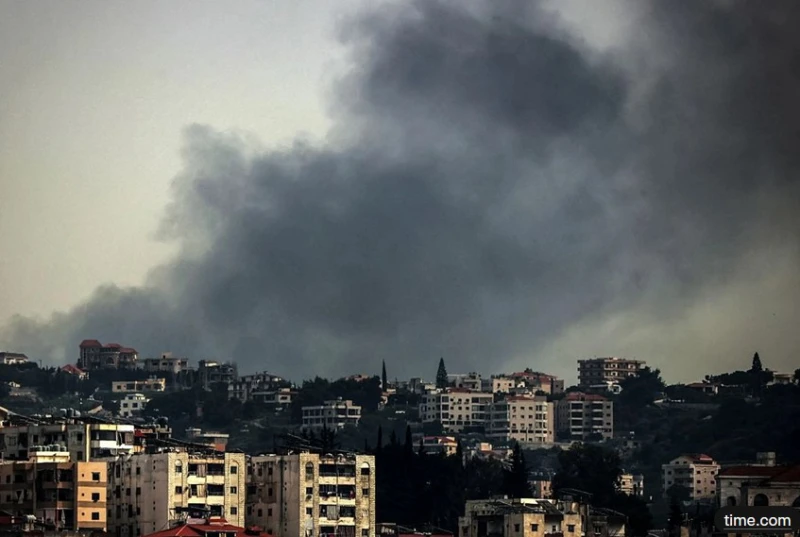
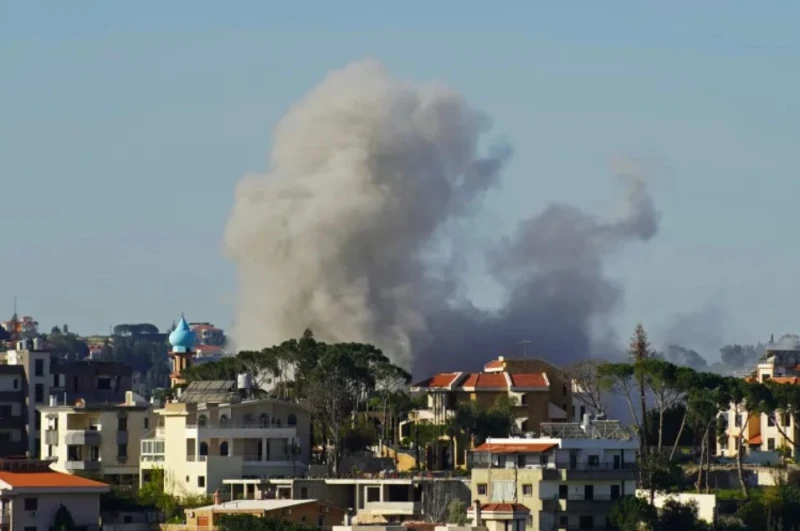
This decision was made after successful discussions with Israeli and Lebanese ambassadors at the White House, and he has also stated that he looks forward to meeting Israeli Prime Minister Benjamin Netanyahu and Lebanese President Joseph Aoun soon. However, Lebanon expects a full month-long ceasefire and a complete halt to the destruction carried out by Israel in Southern Lebanon. Although Hezbollah has not issued an immediate response regarding this, they had previously agreed to fair ceasefires for both parties.Within hours of the announcement of the ceasefire extension, Israeli warplanes again attacked Southern Lebanon, violating the agreements. Airstrikes as well as artillery attacks targeted the areas of Touline and Khirbet Selm. Earlier in the morning, several rocket attacks were launched on the Shluhot area in Northern Israel, and in response, Israel destroyed two associated Hezbollah missile launchers within minutes. Hezbollah states that these rocket attacks were in response to an Israeli artillery attack on the village of Ya'tar, which injured two people, including a child. These incidents clearly demonstrate the instability of the ceasefire, and due to the continued presence of Israeli forces, civilians are still unable to return to their homes.
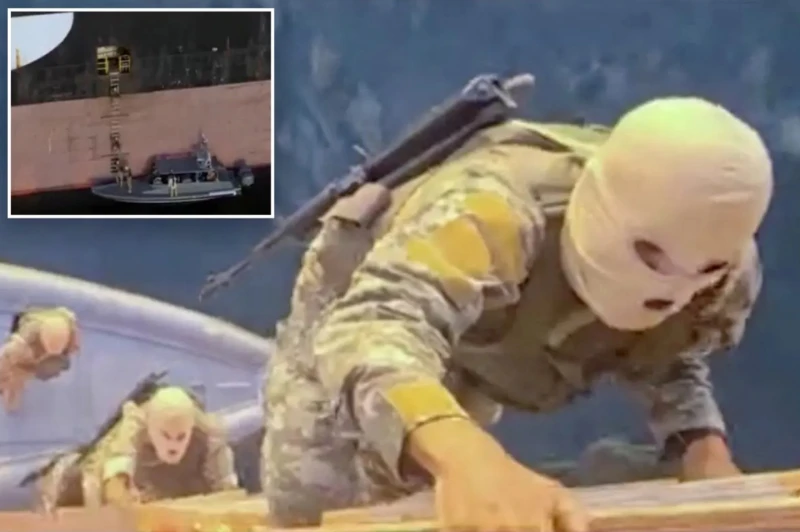
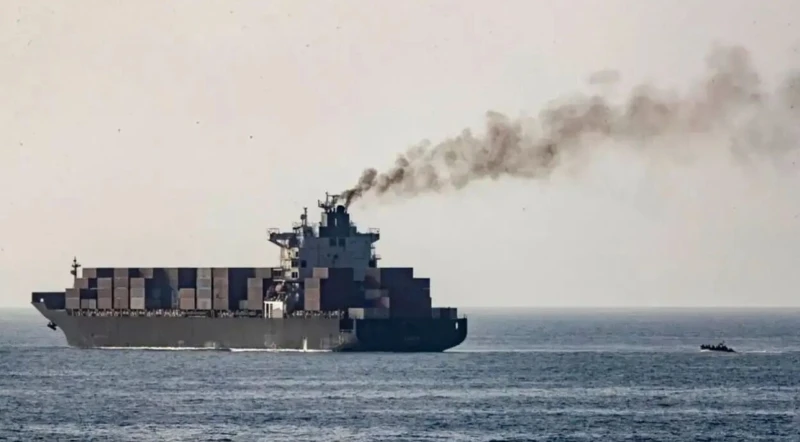
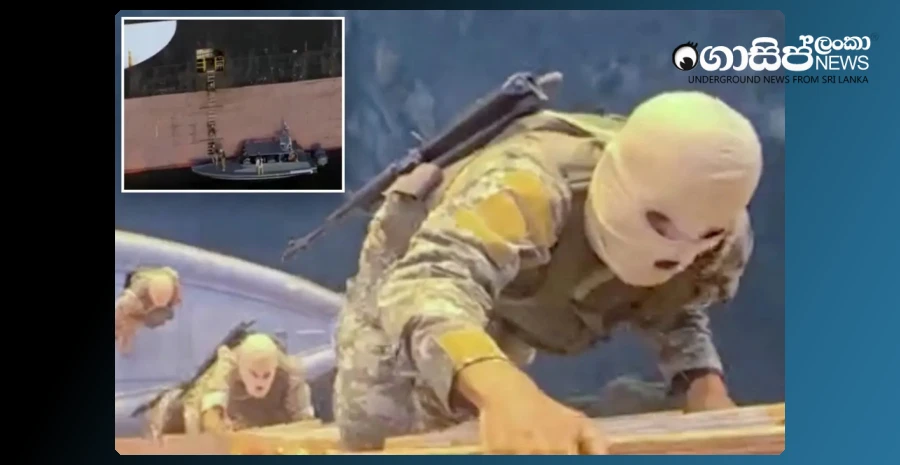
While the ground situation remains as such, the Iranian Islamic Revolutionary Guard Corps (IRGC) has seized two merchant vessels in the Strait of Hormuz. The Panama-registered 'MSC Francesca' with a Montenegrin and Croatian crew, as well as the Liberia-registered 'Epaminondas' with a crew of 21 Ukrainian and Filipino nationals, which was en route to India, have been apprehended. Iran has also released video footage showing masked Iranian commandos boarding the ships. Although crew members are reported to be safe, the respective governments have already intervened to secure their release. The seizure of ships in this sea lane, where approximately 20% of global oil and gas trade occurs, has put the global supply chain at severe risk.
In response to these ship seizures and the threats posed by Iranian vessels, the US President has issued a strict order to the country's navy to shoot and destroy any small Iranian boat laying sea mines in the Strait of Hormuz. Concurrently, mine-clearing operations have been tripled. Additionally, the US has requested warrants to seize two oil tankers carrying 3.8 million barrels of Iranian oil, and due to these blockades and the wartime atmosphere, the price of Brent crude oil per barrel in the world market has risen by approximately 5%, exceeding the $106 mark. It is believed that Iran can maintain its revenue streams until August, as it still has between 160 and 170 million barrels of oil shipped. However, the US emphasizes that time is rapidly running out for Iran.
Meanwhile, Iranian air defense systems have engaged and successfully destroyed a swarm of micro-drones that appeared over the Iranian capital, Tehran, and several other cities. State media confirmed that the threat was completely neutralized and that there were no casualties or infrastructure damage from the attack. Although it is speculated that the US or Israel is behind this attack, or that it was an act of internal sabotage, this has not been officially confirmed. Given that Iran has previously used low-cost drones against the Gulf region, this incident is considered the latest asymmetric aerial threat to be seen in the 2026 war, as well as a significant challenge to the security of the Iranian capital.
Special information has also been reported regarding the internal situation of the Iranian leadership, with the New York Times reporting that Iran's new Supreme Leader, Mojtaba Khamenei, was seriously injured in a previous US-Israeli airstrike. It further states that Mojtaba was also injured in the same attack that killed his father, Ali Khamenei, and although he is mentally stable, the power to make decisions has been temporarily transferred to the generals of the Iranian Revolutionary Guard Corps. Mojtaba has not appeared publicly since his father's death, and only written statements have been issued from him. Iranian Foreign Minister Abbas Araghchi has denied rumors of divisions within the leadership, stating that state institutions are operating with extreme unity. However, this health-related and mysterious uncertainty within the supreme leadership during wartime has severely impacted Iran's command structure.