![Gossip Lanka News [English]](https://blogger.googleusercontent.com/img/a/AVvXsEhYm2aFFq-bIW1nWX-RrqnPFoIsVos6_VCVz8BpLt0QJi55GNXHXC2fugeRvL0qUStEuCfs7Sfu6ZiSlhrkldxfGuE_wzy5gitY6rMZ2KSi8VBbGvkgXLks37RwZV-4-HKbWiNLRxB8C_r1e4z3mpxFTMPDJPEADoG8E-bZteWFipeD5KNGbjvCfqEfKw=s300 "Gossip Lanka News [English]")
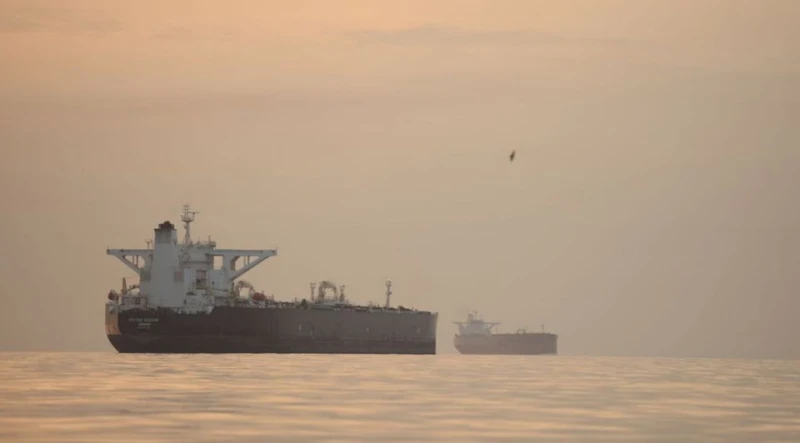
Further escalating the Middle East crisis in the past 24 hours, the Arleigh Burke-class destroyer USS Spruance, belonging to the US Navy, has seized the 900-foot-long Iranian-flagged cargo ship M/V Touska in the Gulf of Oman near the Strait of Hormuz. After approximately six hours of ignoring warnings from the US, American forces fired 5-inch MK 45 artillery rounds into the ship's engine room to disable its movement.
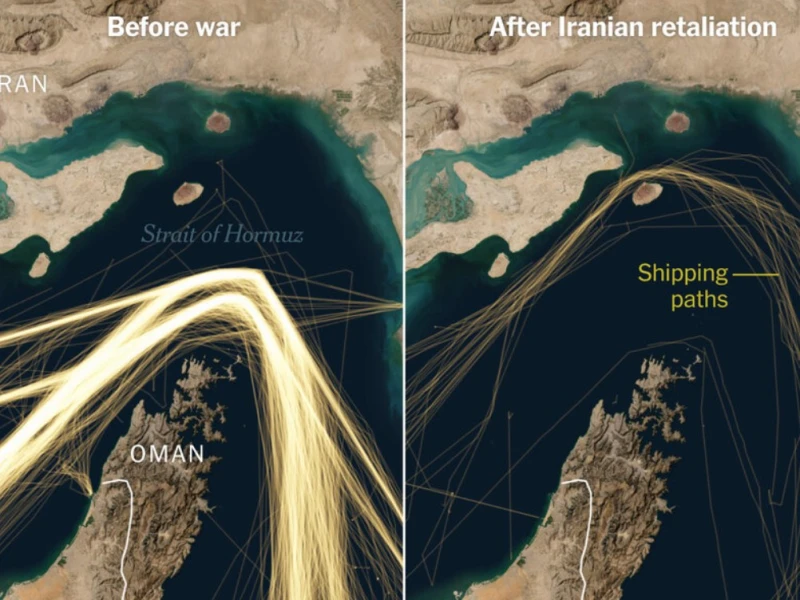
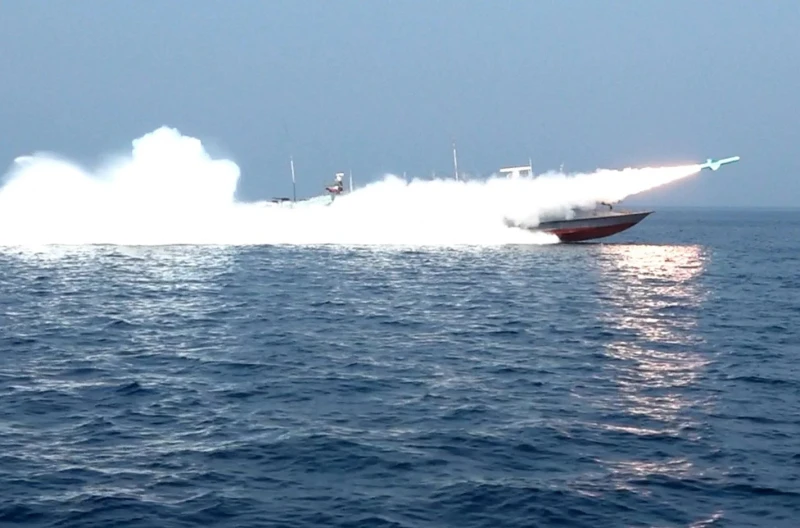
Subsequently, US President Donald Trump confirmed that American Marines boarded the ship, took full control of it, and are currently inspecting its contents. This marks the first successful seizure since the US naval port sanctions began on April 13, with Iran strongly condemning it as an "armed piracy".In a strong response to this American action, the Iranian Joint Armed Forces Command Headquarters announced that it would completely close the Strait of Hormuz, through which approximately 20% of the world's crude oil supply passes, under strict control until the US lifts its port sanctions. With the re-closure of this waterway, which had been open only for a few days prior, the British Maritime Agency and Reuters confirm that Iranian Revolutionary Guard Corps (IRGC) high-speed attack boats have fired upon merchant vessels traveling off the coast of Oman. In light of this situation, Brent crude oil prices have risen by approximately 7%, and satellite images indicate that ships worldwide are rerouting their courses.
These naval clashes have severely jeopardized the ceasefire brokered by Pakistan on April 7-8, and diplomatic talks have completely collapsed. Tehran states that there is no agreement for the second round of US-Iran talks scheduled to be held in Islamabad, accusing the US of violating the essence of the ceasefire. Citing a message from Iranian Supreme Leader Mojtaba Khamenei, Iranian state television warned that the US and Israel would face new defeats. However, President Trump has emphasized that sanctions will remain in effect until Iran adheres to nuclear limits and de-escalates regional tensions.
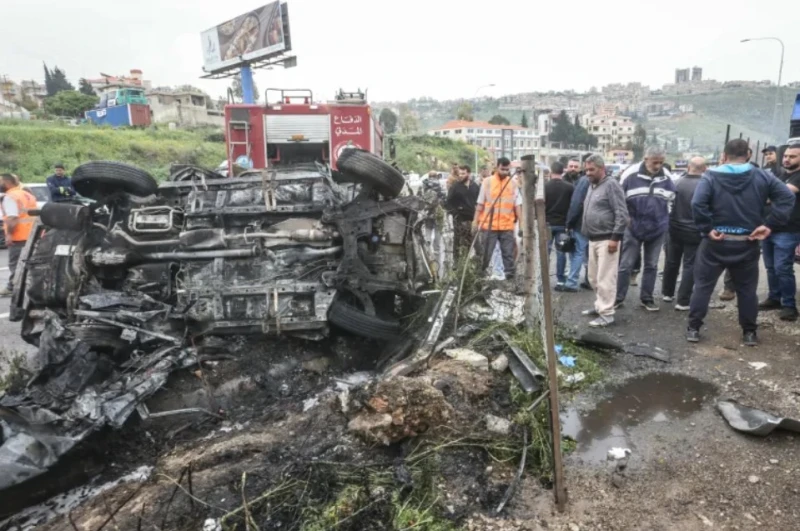
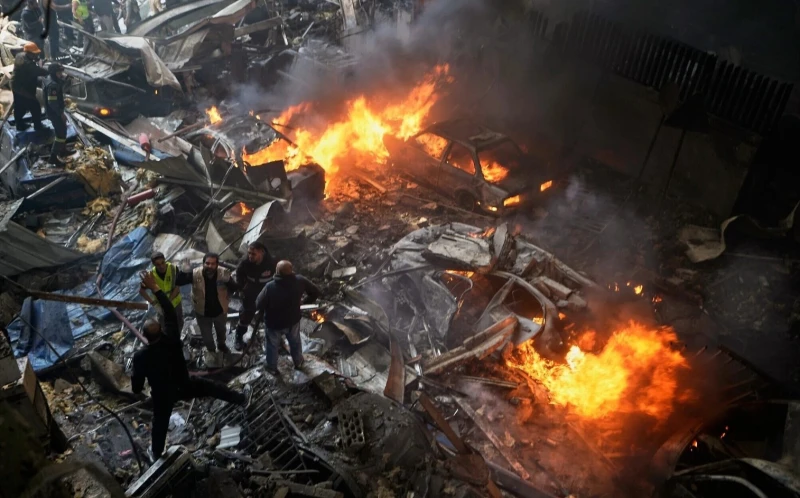
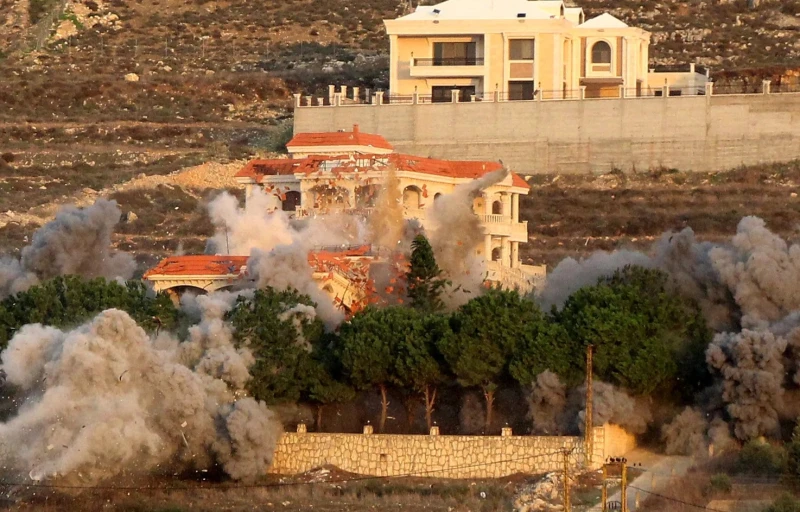
Concurrently with the main Iran-centric crisis, despite reports of a ceasefire in Lebanon, Israel-Hezbollah clashes continue unabated. Over the past 24 hours, the Israel Defense Forces (IDF) have launched over 200 airstrikes targeting Hezbollah rocket launchers, operatives, and infrastructure in the Bint Jbeil and Marjayoun districts of southern Lebanon. Two Israeli soldiers have died in these clashes, and Hezbollah claims to have launched 26 attacks. Prime Minister Benjamin Netanyahu has confirmed that despite a 10-day pause, Israeli forces will maintain the 8-10 km security zone.
Meanwhile, the global economic impact of this wartime situation is worsening. Japanese automakers, who import 70% of their aluminum from the Middle East, are already facing raw material shortages. Officials in the United Arab Emirates are secretly blaming Trump's policies while hinting at conducting oil trade in Yuan. Global marine insurance companies have raised premiums, leading to oil tankers being rerouted via Africa. Analysts warn that if naval traffic continues to be disrupted and the wartime situation further escalates, the price of a barrel of oil could rise by $50 to $100.