![Gossip Lanka News [English]](https://blogger.googleusercontent.com/img/a/AVvXsEhYm2aFFq-bIW1nWX-RrqnPFoIsVos6_VCVz8BpLt0QJi55GNXHXC2fugeRvL0qUStEuCfs7Sfu6ZiSlhrkldxfGuE_wzy5gitY6rMZ2KSi8VBbGvkgXLks37RwZV-4-HKbWiNLRxB8C_r1e4z3mpxFTMPDJPEADoG8E-bZteWFipeD5KNGbjvCfqEfKw=s300 "Gossip Lanka News [English]")
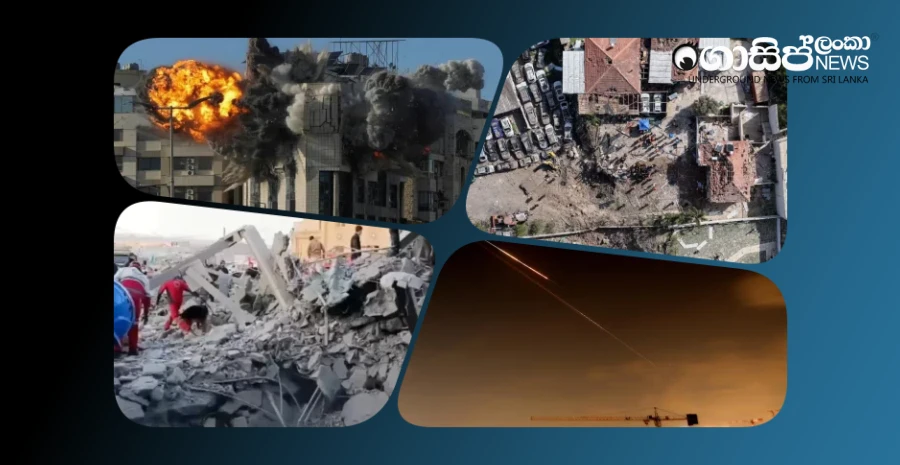
The American-Israeli military operation, which began with the assassination of Iranian Supreme Leader Ali Khamenei on February 28, 2026, has now entered its fifth week. Over the past 24 hours (March 31-April 1), American and Israeli forces have intensified their air strikes, and in response, Iran and its proxy groups are launching limited counter-attacks.
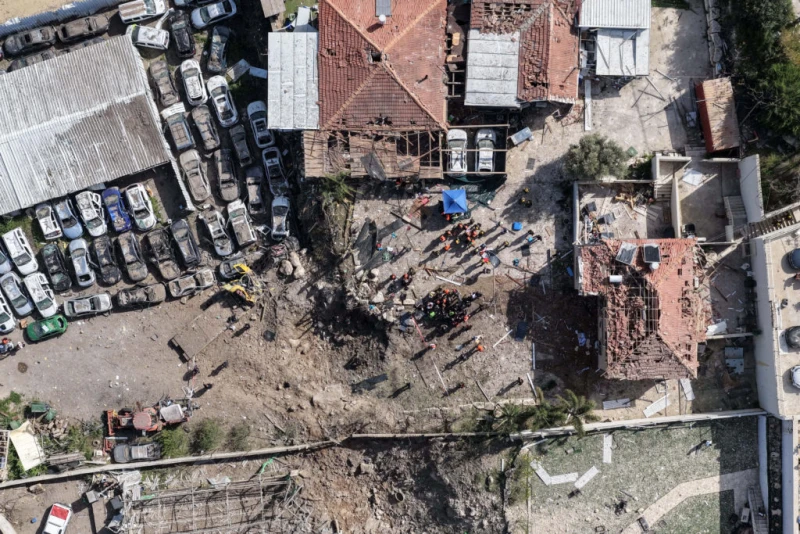
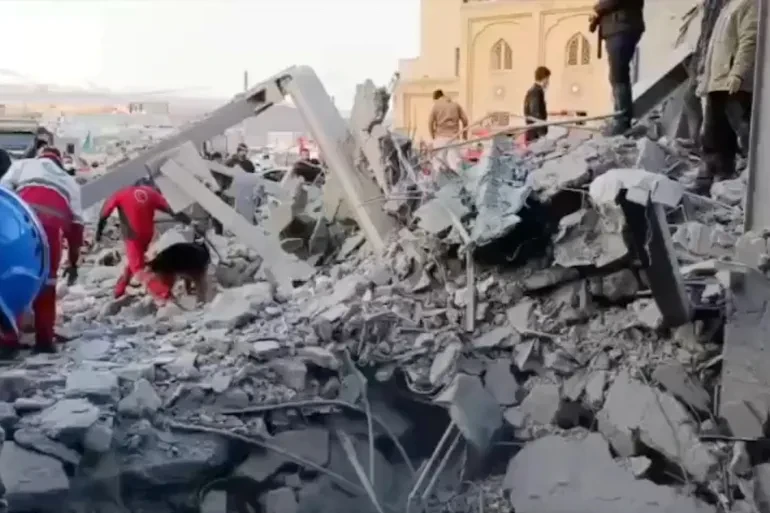
According to Iranian reports, the total death toll in the war, including civilians, is approximately 1,937, among whom are 240 women and 212 children.The Israeli military has announced that it has completed a wide wave of attacks targeting government and infrastructure facilities in Tehran. According to Iranian state broadcaster IRIB, explosions have been reported in the northern, eastern, and central districts of Tehran. Over 800 attack sorties have been carried out in the first month of the war, dropping approximately 16,000 munitions on over 4,000 targets. One civilian was killed in a drone strike on a residential building in East Tehran, and rescue teams were engaged in clearing debris. Israeli Prime Minister Benjamin Netanyahu has expressed satisfaction with the complete destruction of Iran's military capabilities, stating that they have already succeeded in destroying over 80% of Iran's air defense systems and ballistic missile production.
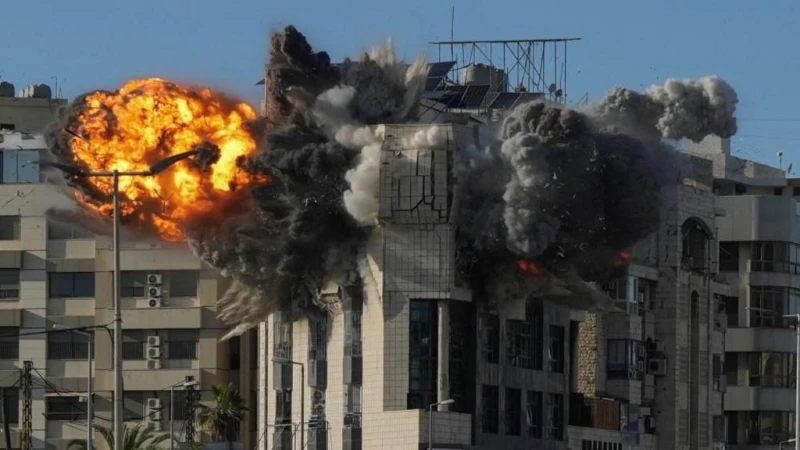
In addition to Tehran, steel factories, pharmaceutical production facilities, and defense centers in Isfahan, Farrokhshahr, Ahvaz, Shiraz, Karaj, Kermanshah, and Bandar Abbas have also been attacked using bunker-buster bombs. The Tofigh Daru pharmaceutical production facility and its research division suffered severe damage. Although Israel accused the Sadar factory of supplying fentanyl for chemical weapons, Iran states that it is an essential center for the national drug supply. Iran claims that 10 nurses have died in attacks targeting medical facilities, accusing Israel of openly bombing pharmaceutical companies and crippling the medical supply network. Furthermore, internal security locations such as the Iranian Revolutionary Guard Corps (IRGC) and the judiciary have also been targeted with the aim of weakening their repressive capabilities.
In response to these attacks, an Iranian drone strike targeted fuel depots at Kuwait International Airport (controlled by Kuwait Aviation Fueling Company), causing a massive fire and thick black smoke to spread across the city. The Kuwait Civil Aviation Authority called this a "brazen attack" and confirmed that no casualties were reported. Previously, similar attacks occurred at ports in the United Arab Emirates, Bahrain, and Qatar. The Iranian Revolutionary Guard Corps has issued a severe threat, stating that if more Iranian leaders are assassinated, 18 leading American technology companies, including Apple, Google, and Meta, will be targeted starting from the evening of April 1.
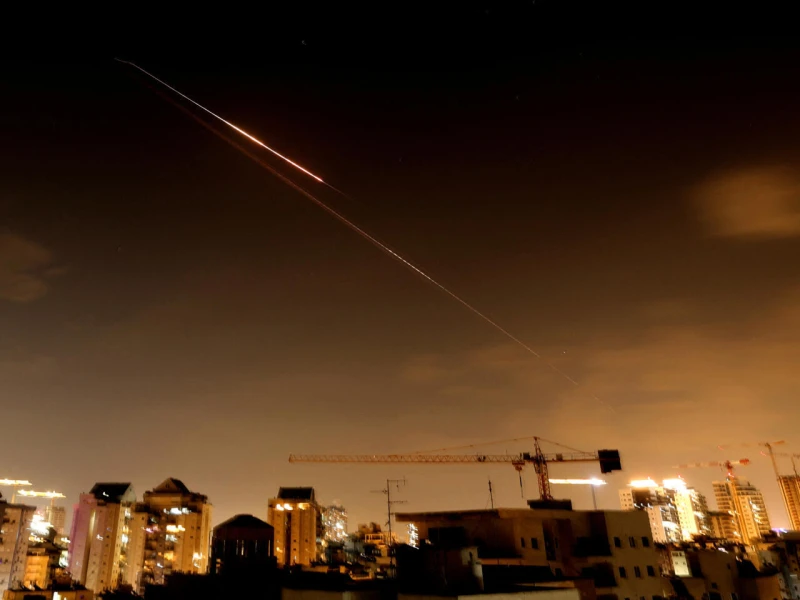
Meanwhile, Israeli air defense systems successfully thwarted the first ballistic missile attack launched by Houthi rebels in Yemen against Israel. Furthermore, an oil tanker known as 'Al-Salmi' was attacked in the sea 17 nautical miles north of Doha, Qatar, with no casualties or oil spills reported. It is also reported that 7 people have died in Israeli attacks targeting Hezbollah commanders in Southern Lebanon.
Commenting on the crisis, American President Donald Trump stated that the war could end within two or three weeks, even without any agreement. He emphasized that Iran's nuclear program has been completely destroyed and set back by 15-20 years. He has informed allied countries to "get their own oil" from the Strait of Hormuz and is scheduled to address the nation on the matter. American Secretary of State Marco Rubio mentioned that America is nearing the end of the war and that NATO relations could be reconsidered in the post-conflict period. Although regime change was not the primary objective, it now appears to have occurred, and the White House has confirmed that despite American messages being received by the Iranian Foreign Minister, no direct discussions are taking place.
As a result of this war, global energy prices have rapidly increased, with the price of a gallon of gas in America exceeding the $4 mark for the first time since 2022. It is reported that Iran is charging $2 million for passage through the Strait of Hormuz. American farmers face the risk of reducing corn cultivation due to disruptions in nitrogen fertilizer supply from the Gulf region. Regionally, the United Arab Emirates has banned most Iranian nationals from entering the country, and the Syrian President has stated that he will remain neutral as long as he is not attacked. Analysts are closely monitoring continuously changing market conditions and potential attacks targeting oil tankers.