![Gossip Lanka News [English]](https://blogger.googleusercontent.com/img/a/AVvXsEhYm2aFFq-bIW1nWX-RrqnPFoIsVos6_VCVz8BpLt0QJi55GNXHXC2fugeRvL0qUStEuCfs7Sfu6ZiSlhrkldxfGuE_wzy5gitY6rMZ2KSi8VBbGvkgXLks37RwZV-4-HKbWiNLRxB8C_r1e4z3mpxFTMPDJPEADoG8E-bZteWFipeD5KNGbjvCfqEfKw=s300 "Gossip Lanka News [English]")
The European Commission has requested its member states to cut taxes and charges imposed on electricity bills, with the aim of providing relief to consumers and businesses suffering from continuously rising energy prices due to global conflicts. This new proposal has been put forward through the 'Citizens’ Energy Package', introduced on March 10, 2026, as part of a broader action plan for affordable energy.
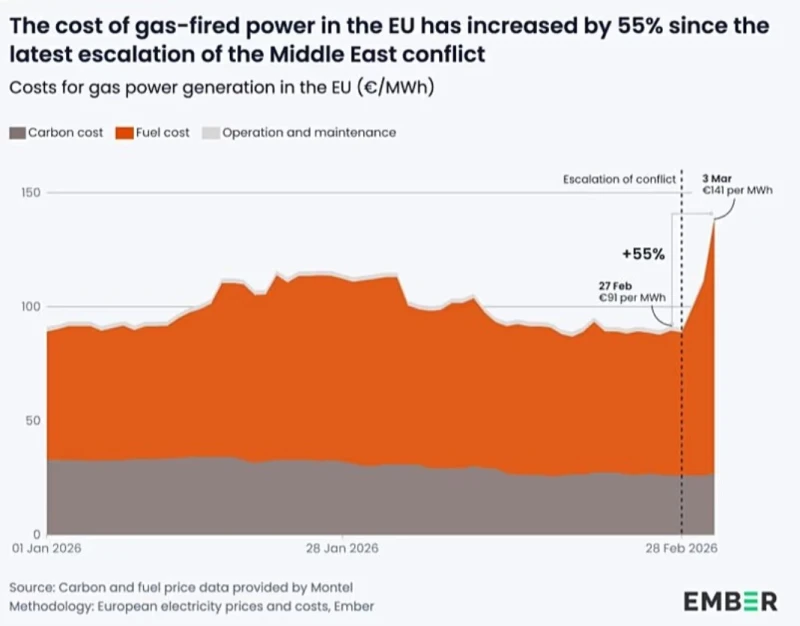
Electricity prices in the European Union are still high compared to the period before the energy crisis in 2022. This has been mainly influenced by global supply chain disruptions, adverse weather conditions affecting renewable energy generation, and high demand during the winter season. Specifically, the cost of electricity generation powered by natural gas has increased by approximately 55% due to the escalating geopolitical crisis around Iran since late February 2026.
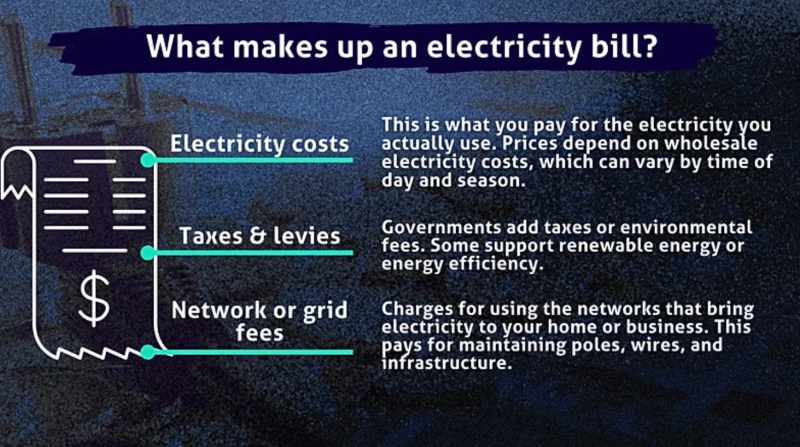
Currently, approximately 25% of an average household electricity bill consists of taxes and various charges. In some cases, this can rise to one-third of the bill, with electricity being charged at a tax rate about 15 times higher than natural gas. This situation has created a significant obstacle for over 30 million people in Europe to pay their bills on time, and it is reported that one in ten EU citizens suffer from energy poverty, unable to adequately heat their homes.
Through this new package, the Commission encourages the reduction of electricity taxes for household consumers and energy-intensive industries, the removal of non-energy-related costs from bills, and the use of existing legal flexibility to reduce VAT. It is expected that implementing these measures will reduce household electricity bills by approximately 14%, saving around €200 per household annually. Additionally, it includes providing more transparent bills and safeguards to prevent disconnections for vulnerable consumers.
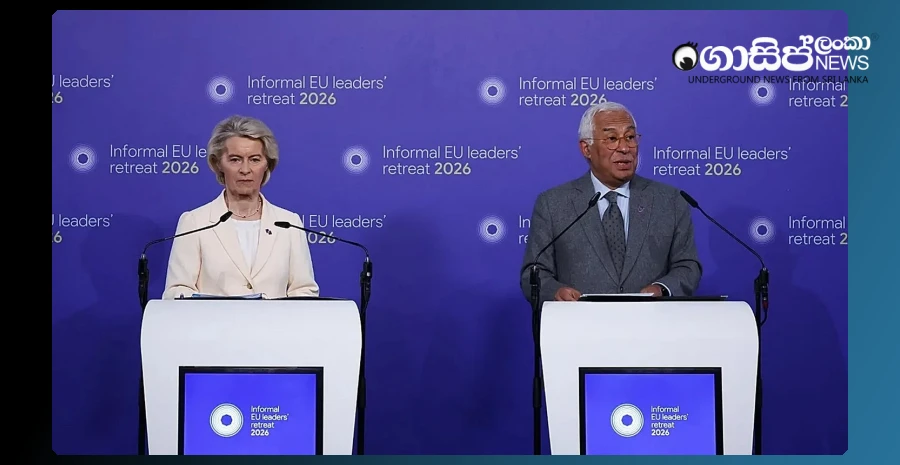
European Commissioner for Energy, Dan Jørgensen, stated that while access to affordable, secure, and sustainable energy is a fundamental need for everyone, it has not yet become a reality in Europe. Furthermore, European Commission President Ursula von der Leyen emphasized that it is unacceptable for some member states to impose a higher tax on electricity than on natural gas. In addition to cutting electricity taxes, the LIFE program to combat energy poverty and the Clean Energy Investment Strategy, which provides over €75 billion in funding through the European Investment Bank (EIB), are also being implemented concurrently with this initiative.
As tax policy formulation is a national responsibility, the European Commission has not made these proposals mandatory, and the decision to implement them rests with the member states. At the EU Leaders' Summit held on March 19 and 20, 2026, greater emphasis was placed on national-level actions rather than introducing region-wide legislation. Nevertheless, organizations such as the European Heat Pump Association and SolarPower Europe have welcomed this proposal, indicating that it will be a significant boost for a rapid transition to clean energy.