![Gossip Lanka News [English]](https://blogger.googleusercontent.com/img/a/AVvXsEhYm2aFFq-bIW1nWX-RrqnPFoIsVos6_VCVz8BpLt0QJi55GNXHXC2fugeRvL0qUStEuCfs7Sfu6ZiSlhrkldxfGuE_wzy5gitY6rMZ2KSi8VBbGvkgXLks37RwZV-4-HKbWiNLRxB8C_r1e4z3mpxFTMPDJPEADoG8E-bZteWFipeD5KNGbjvCfqEfKw=s300 "Gossip Lanka News [English]")
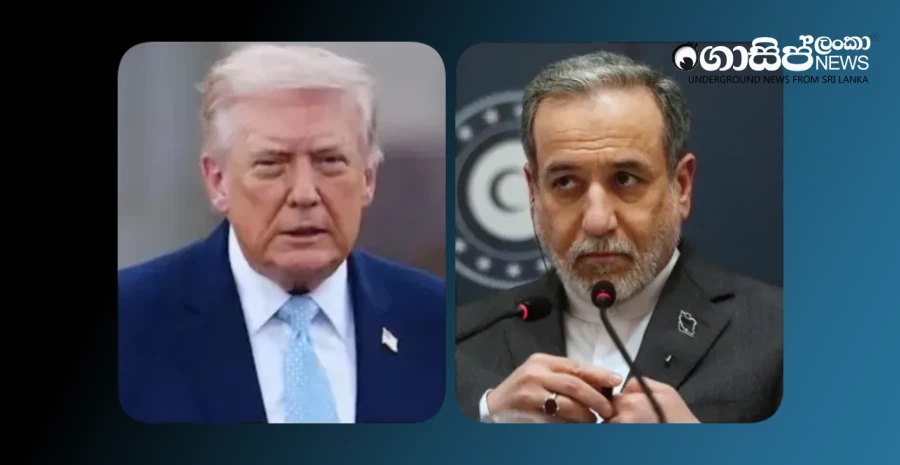
In the American-Israeli and Iranian war, which has entered its fourth week by March 24, 2026, America and Iran are issuing conflicting statements regarding the five-day postponement of attacks planned against Iran's energy centers.
In this war, which began on February 28, America and Israel launched a massive series of attacks targeting Iran's nuclear facilities, military bases, and naval fleets. Following the death of Iran's Supreme Leader Ayatollah Ali Khamenei, his son Mojtaba Khamenei has taken over control. To date, America has launched over 9,000 attacks, destroying more than 140 Iranian naval vessels, and over 2,000 civilians have died, including in attacks on schools and hospitals, creating a massive humanitarian crisis. In response, Iran has blocked the Strait of Hormuz, through which about twenty percent of the world's crude oil supply passes, creating a global energy crisis more severe than the oil crisis of the 1970s.
Although American President Donald Trump issued a strict 48-hour ultimatum to Iran on March 22, citing the blockade of the Strait of Hormuz, on Monday, March 23, he announced that attacks targeting energy centers, which were planned, had been postponed until Friday due to several very successful and productive direct talks with Iran. Issuing a statement via Truth Social and to journalists, he further emphasized that an agreement had been reached with Iran on 15 points related to a deal through Middle East special envoys Steve Witkoff and Jared Kushner, and that Iran had agreed to halt its uranium program and reopen the Strait of Hormuz.
However, the Iranian side completely rejected these American statements, calling them a fabricated story created solely for the purpose of manipulating the crude oil market and covering up American-Israeli setbacks. Iranian Parliament Speaker Mohammad Bagher Ghalibaf and Foreign Ministry Spokesperson Esmail Baghaei stated that no direct talks had taken place with America, and apart from messages exchanged through friendly countries, Trump's retreat was a decision made out of fear of massive retaliatory attacks that Iran was preparing to launch against centers supplying energy to regional American bases.
Meanwhile, with the American President's announcement of the postponement of these attacks, several immediate changes were observed in the global economic market, and the price of a barrel of Brent crude oil, which was $114, fell by more than ten percent to below the $100 mark. Although global stock market indices also showed some growth, a daily supply deficit of 11 million barrels of crude oil still persists worldwide, meaning Asian importing countries, including Sri Lanka, continue to face a massive risk of increased import costs due to this global oil price instability.