![Gossip Lanka News [English]](https://blogger.googleusercontent.com/img/a/AVvXsEhYm2aFFq-bIW1nWX-RrqnPFoIsVos6_VCVz8BpLt0QJi55GNXHXC2fugeRvL0qUStEuCfs7Sfu6ZiSlhrkldxfGuE_wzy5gitY6rMZ2KSi8VBbGvkgXLks37RwZV-4-HKbWiNLRxB8C_r1e4z3mpxFTMPDJPEADoG8E-bZteWFipeD5KNGbjvCfqEfKw=s300 "Gossip Lanka News [English]")
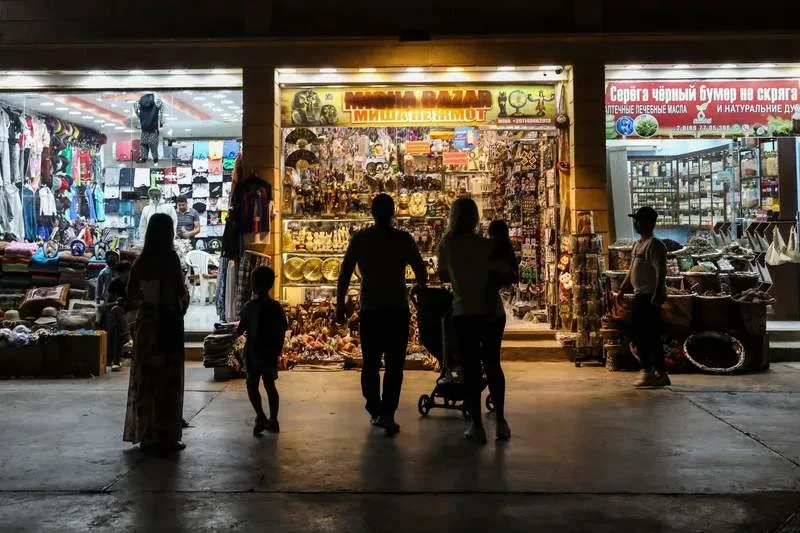
Egypt is facing a severe energy crisis due to the current US-Israeli-Iranian conflict and the closure of the Strait of Hormuz, which has led to a surge in global fuel prices. In response, the government has taken steps to impose a 9:00 PM curfew for commercial establishments. According to this emergency energy-saving program announced by Egyptian Prime Minister Mostafa Madbouly on March 18 and 19, 2026, these rules will be implemented for a period of one month starting from Saturday, March 28.
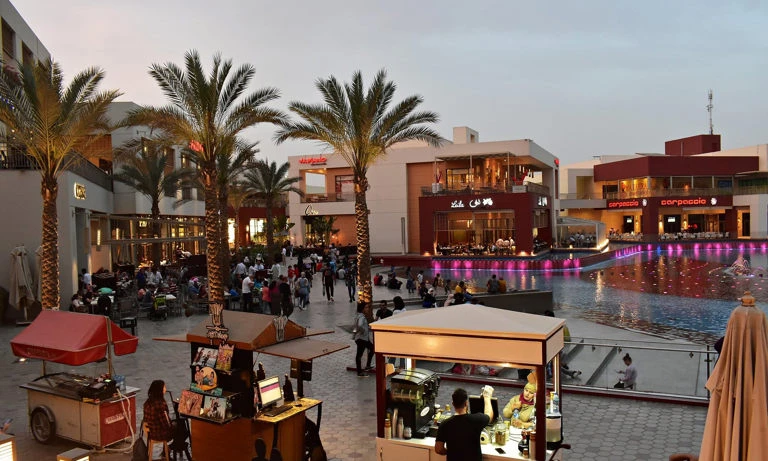
Accordingly, all retail stores, shopping malls, restaurants, and cafes in major cities, including Cairo, must close by 9:00 PM on weekdays, and by 10:00 PM on Thursdays, Fridays, and public holidays. However, these restrictions do not apply to supermarkets, pharmacies, and essential food outlets.This decision is primarily influenced by the doubling or tripling of Egypt's energy import bill, as the price of a barrel of global crude oil exceeded the $112 mark due to conflicts that began in late February. The monthly cost for petrol alone, which was $1.2 billion, has risen to $2.5 billion by March, and the government has had to spend an additional $24 million for daily diesel consumption. Egypt, which generates about 80 percent of its electricity needs from natural gas, aims to ensure an uninterrupted power supply to hospitals, water treatment plants, and factories through these emergency measures. The Prime Minister emphasizes that the government has no alternative but to rationalize electricity consumption given the current situation, and further restrictions will be necessary if the war continues.
In addition to early store closures, the government has introduced several other energy conservation measures. These include operating streetlights and roadside advertising billboards at a minimum safe level, closing government offices by 6:00 PM, and reducing petroleum consumption in government institutions by 30 percent. Furthermore, major state infrastructure projects have been slowed down for a period of two months to save fuel, and a system has been introduced for non-essential public and private sector employees to work from home every Sunday starting from April 5, 2026. Concurrently, fuel prices were increased by 14 to 30 percent, and public transport fares by 25 percent, in early March.
Significant attention has also been paid to the potential impact of these 9:00 PM restrictions on the tourism industry, which represents 8 to 10 percent of Egypt's economy. However, Minister of Tourism Sherif Fathy has confirmed that these energy-saving measures will not affect tourists or major tourist destinations. Tourist resorts like Hurghada, Sharm El Sheikh, Luxor, and Aswan, hotels, tourist attractions such as the pyramids, as well as restaurants and cafes specifically designated for tourists in Cairo, are exempt from these restrictions. Nevertheless, analysts point out that the limitation of nightlife and shopping in major cities like Cairo could indirectly affect the overall tourist experience, and tourist appeal might be somewhat diminished during the upcoming Easter holiday season.