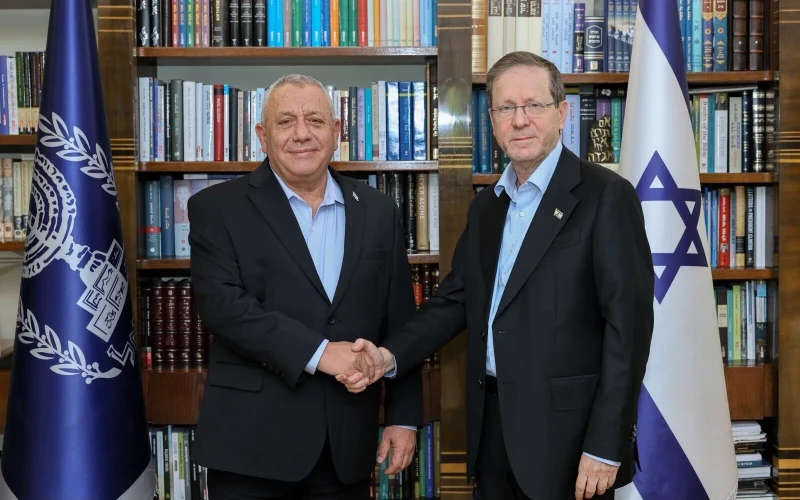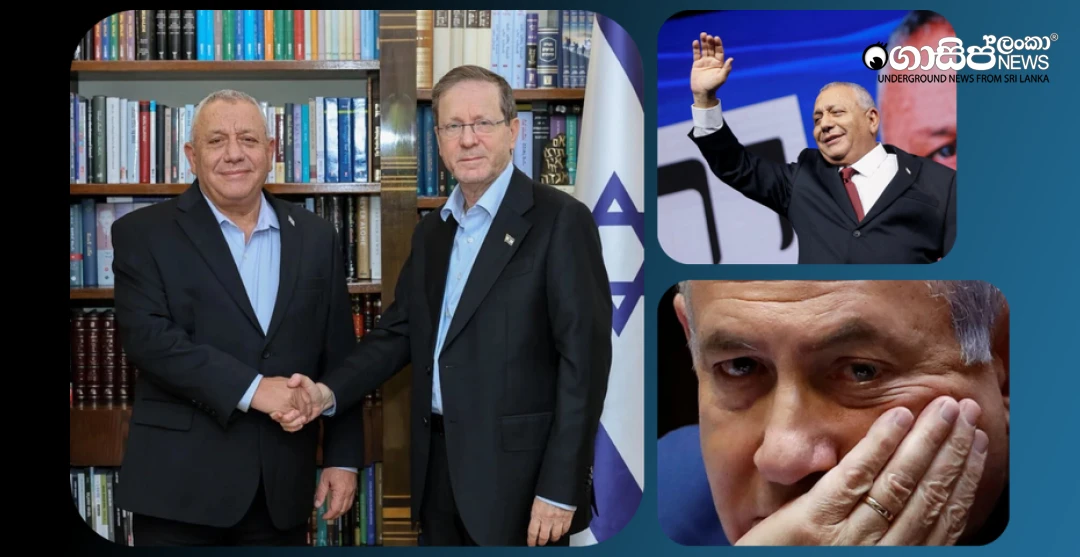
With President Isaac Herzog's decision to entrust former military chief Gadi Eisenkot with the power to form a new government, pushing aside Benjamin Netanyahu, who held the prime minister's office for the longest period in Israel's political arena, the country's politics has reached a new milestone. The President issued this announcement on the evening of Saturday, November 7, and the official power transfer ceremony is scheduled to take place at 5:00 PM on Sunday, November 8, at the President's official residence in Jerusalem.
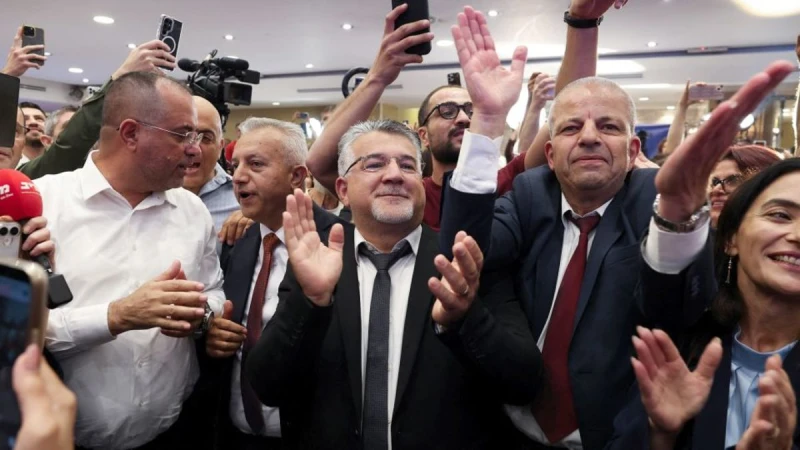
The voter turnout in the general election held on October 27 was approximately 77.9%. No party was able to cross the 61-seat threshold, which is the majority in the 120-seat Knesset parliament. Netanyahu's right-wing and religious alliance secured only 53 seats. Within this, the Likud party won 27 seats, Otzma Yehudit 7 seats, United Torah Judaism (UTJ) 7 seats, Shas party 6 seats, and Religious Zionism 6 seats. This result was a clear setback for Netanyahu's camp, which previously enjoyed a majority of between 64 and 68 seats. On the other hand, the opposition alliance led by Eisenkot won 48 seats, which included 21 seats from his 'Yashar' party, founded in September 2025, 12 seats from Bennett and Lapid's Together (Biachad), 8 seats from Democrats, and 7 seats from Yisrael Beiteinu. Meanwhile, Arab-led parties managed to win a record 19 seats, with the Joint List securing 11 seats and Ra'am 8 seats.
In early November, the election results were officially certified and submitted to the President around November 4. Subsequently, during discussions held by President Herzog with party representatives on November 5 and 6, 67 Knesset members recommended Eisenkot, while only 46 recommendations were received for Netanyahu. The UTJ party, which holds 7 seats, refrained from recommending any party. President Herzog, who held discussions with both candidates over the weekend, decided to give the opportunity to the candidate with a clear majority of recommendations, despite uncertainty about success due to mutual objections and internal divisions among the parties.
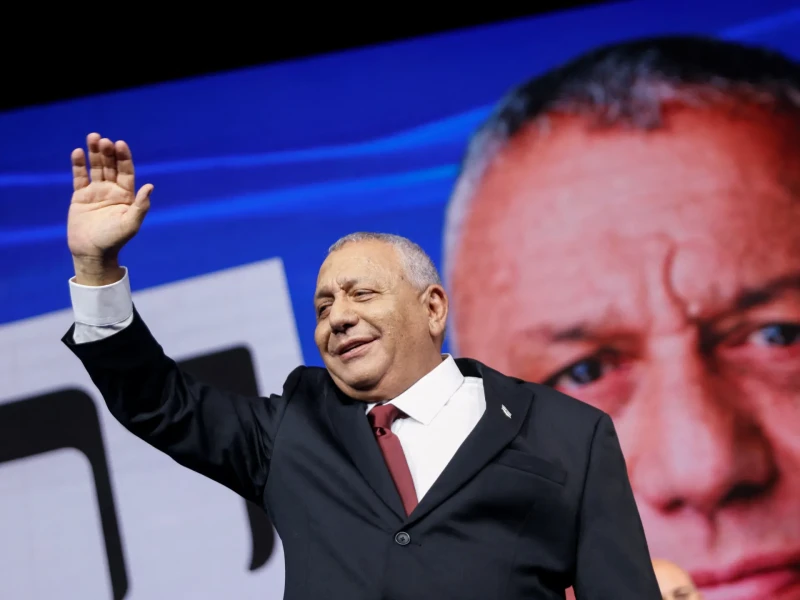
Gadi Eisenkot, who took on this challenge, was born on May 19, 1960, in Tiberias to Moroccan Jewish immigrant parents and grew up in Eilat. He joined the Golani Brigade in 1978 and served as a long-term military officer, becoming the 21st Chief of Staff of the Israeli Army from 2015 to 2019, making him the first person of Mizrahi origin to hold that position. He later entered politics through Benny Gantz's National Unity alliance, joined Netanyahu's war cabinet after the October 7 attack, and resigned from it in June 2024. Eisenkot, who lost his son Gal in the Gaza fighting, presents himself as a security-focused centrist advocating for universal military service, institutional reforms, and accountability for the October 7 failures. Following the President's decision, he stated, "Now is the time to form a national emergency government. I will do everything to ensure we are worthy of it."
However, the path before Eisenkot to form a government is extremely difficult and complex. Although he received recommendations from Arab parties with 19 seats, with the aim of preventing Netanyahu's progress, Eisenkot has rejected forming a formal coalition government with those parties. He has three main options for forming power. The first is to secure the minimum majority of 61 seats by joining with the ultra-Orthodox (Haredi) parties, UTJ and Shas, which hold 13 seats. However, these parties, which prioritize protecting military service exemptions for Jewish religious school students, strongly oppose Eisenkot's condition that universal service should be mandatory for all citizens. The second is to form a minority government based on external support or abstention from Arab parties. While mathematically possible, it has become politically unpalatable for many in his alliance, as well as the public, after the October 7 events. The third is to achieve a broad consensus by engaging members of the Likud party. Although Netanyahu has put forward the idea of a unity government, Eisenkot's side emphasizes that the Likud party must publicly abandon its far-right alliance and accept his conditions.
Eisenkot has put forward four conditions for his coalition partners: recognizing Israel as a Jewish, democratic, liberal, and egalitarian state; committing to the values of free expression; implementing mandatory military, national, or civil service for all citizens; and agreeing to recognize Hamas as a terrorist organization and destroy its military and governing capabilities.
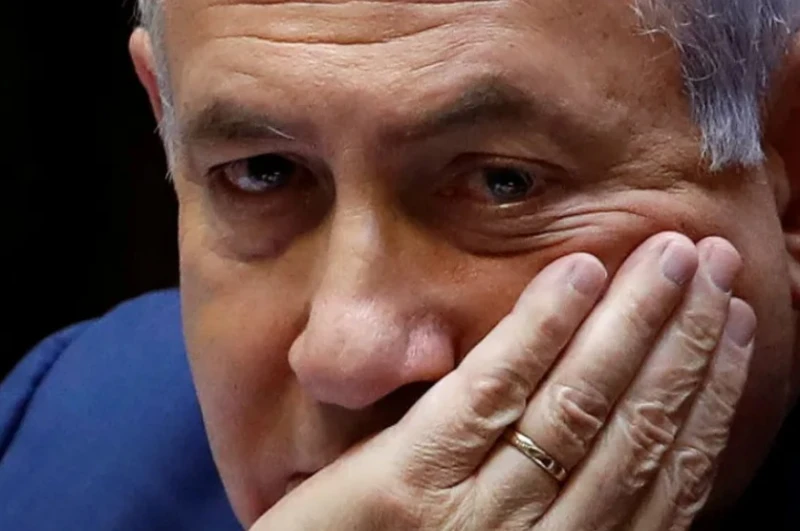
On the other hand, Netanyahu has warned that the formation of a government dependent on Arab parties would lead to the internal collapse of the Israeli state. Arab parties have stated that they prefer a minority government arrangement over any agreement with Netanyahu.
According to the existing legal process, Eisenkot has 28 days to present a government capable of winning the confidence of the Knesset, with a minimum of 61 seats, which can be extended by another 14 days. If he fails in this attempt, the President may likely entrust the opportunity to another candidate, such as Netanyahu. Otherwise, a new general election will have to be called within 90 days. Benjamin Netanyahu will remain in office as caretaker Prime Minister until a stable government is formed and a new government is sworn in.