
The controversial allegations that a proposed development project centered around the historic Ruwanweli Maha Seya threatens Buddhist culture, and the government's response to them, are currently a subject of intense discussion.
The crisis began with a notification made by the Rajarata Farmers' Union after meeting with the Chief Incumbent of the Ruwanweli Maha Seya Chaityarama, Venerable Eethalawetunuwewa Gnanathilaka Nahimi. They alleged that there was a plan to destroy Buddhist culture through the project. This is primarily based on a point mentioned in a gazette notification regarding the construction of a fence around the Ruwanweli Seya. The Farmers' Union points out that the true purpose of constructing this fence is not clearly explained in the gazette. Furthermore, they have raised serious doubts as to whether this project is being implemented due to greed for the seven billion dollars from India, as also stated by the President.
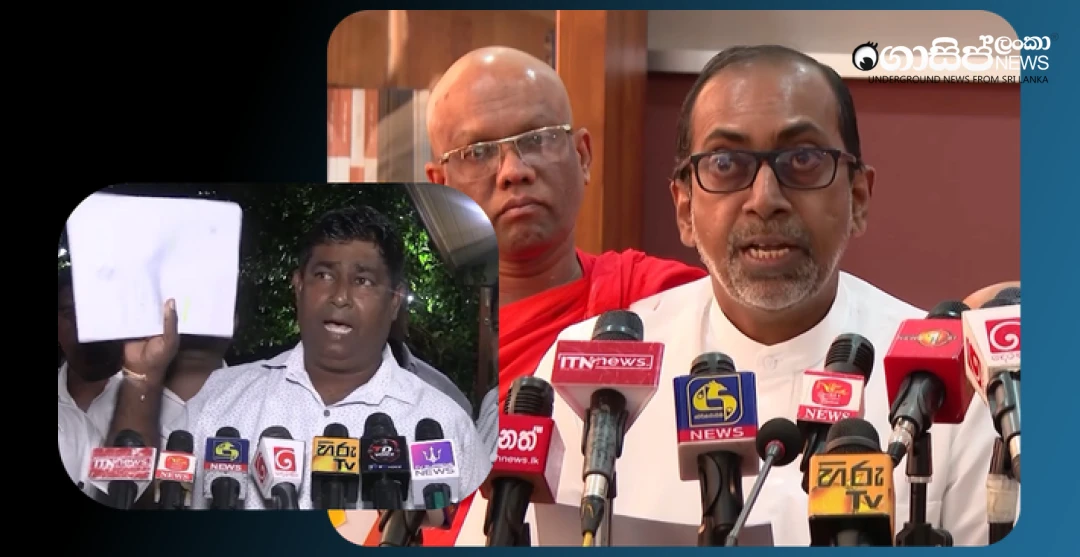
However, special attention was paid to these allegations at the Buddhist Sasana Council meeting held yesterday. Following the discussion, the Minister of Buddhist Sasana, Religious and Cultural Affairs, Dr. Hinduma Sul Sena Vima, clarified the matter by convening a press conference.
The Minister emphasized that the relevant gazette clearly indicates that Ruwanweli Seya, the entire Atamasthana, and all major places of worship are designated as highly sensitive zones. He also stated that all these sacred sites would be conserved in their existing state.
The Minister stated that the rumors circulating about the construction of a fence around Ruwanweli Seya, the removal of its 'allasana' (sacred stone platform), the construction of a Rama Kovil (temple), and the involvement of the Indian government in this matter are completely false. He further mentioned that these are serious statements made deliberately to mislead the public.
The Minister also explained the true nature of the 'fence construction' that has been widely discussed in society. According to him, this fence is actually being built at some distance from the monument, incorporating additional land sections, such as a large field near the road, into the monument's premises. This is merely an element of urban design and poses no threat whatsoever to archaeology, according to the government's official statement.