![Gossip Lanka News [English]](https://blogger.googleusercontent.com/img/a/AVvXsEhYm2aFFq-bIW1nWX-RrqnPFoIsVos6_VCVz8BpLt0QJi55GNXHXC2fugeRvL0qUStEuCfs7Sfu6ZiSlhrkldxfGuE_wzy5gitY6rMZ2KSi8VBbGvkgXLks37RwZV-4-HKbWiNLRxB8C_r1e4z3mpxFTMPDJPEADoG8E-bZteWFipeD5KNGbjvCfqEfKw=s300 "Gossip Lanka News [English]")
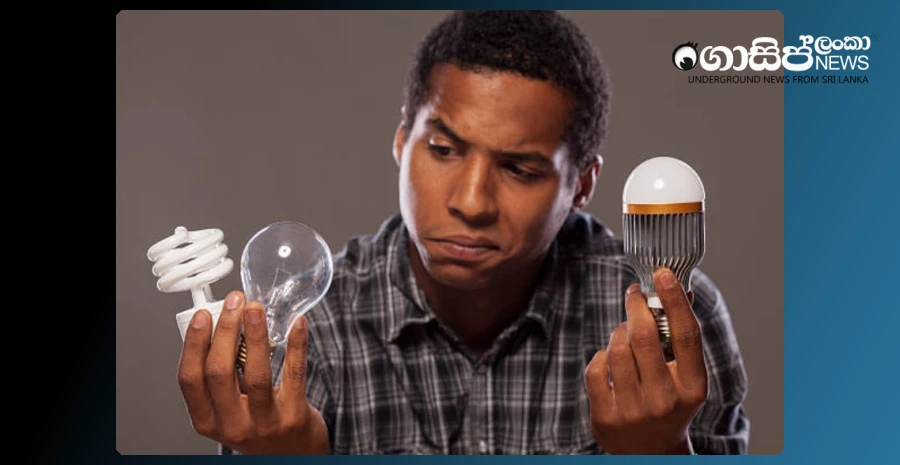
Currently, commentators on social media discussing health impacts are moving away from modern LED light bulbs and instead, there is a trend towards using old incandescent light bulbs. They accuse these LED bulbs of causing numerous problems such as headaches, anxiety, eye strain, and sleep disturbances.
Even medical specialists suspect that LED lighting used in homes and workplaces affects diabetes and certain cancer conditions, and recent studies are providing evidence that this energy-efficient lighting method is detrimental to health.Since old incandescent light bulbs, introduced in the 1800s, waste about 90% of their energy as heat when producing light, the European Union took steps to phase them out from 2009 with the aim of reducing carbon emissions. The LED bulbs introduced instead consume about 90% less electricity and have a longer lifespan. However, research indicates that LEDs emit short-wavelength blue light, which can increase alertness, delay sleep, and affect blood sugar levels.
In contrast, old incandescent bulbs emit red and infrared light similar to sunlight. Professor Glen Jeffery, a neuroscientist at University College London, points out that LED light does not contain the red or infrared rays essential for maintaining the proper functioning of our cells. Currently, many people spend about 90% of their time in buildings filled with LED light, and since window glass also filters out infrared rays, the beneficial long-wavelength light our bodies receive has become very minimal.
He further emphasizes that this condition adversely affects the functioning of mitochondria, which produce energy in cells, and can develop into diseases such as type 2 diabetes, anxiety, skin aging, obesity, and cancer. According to a study published in the 'Journal of Biophotonics' in 2024, confirming the link between light and metabolism, it was found that blood sugar levels significantly decreased after 15 minutes of exposure to red light. Additionally, in another study published on December 13 by Maastricht University in the Netherlands, individuals with type 2 diabetes were tested for four days under LED light and another four days under natural light. It was revealed that their blood sugar levels were more stable under natural light. Professor Russell Foster of Oxford University states that LED light is not entirely harmful and is important for maintaining alertness in workplaces during the daytime.
However, exposure to its blue light in the evening affects the body's biological clock (body clock), so he has resorted to using old-fashioned lamps with red light in the evening. Due to this lighting change, some individuals have been severely affected, and a 48-year-old management consultant named Rachel Mitchell even lost her job due to severe migraines. She states that her headaches have subsided after she switched back to old incandescent bulbs and reduced screen time.
(Based on Daily Mail)