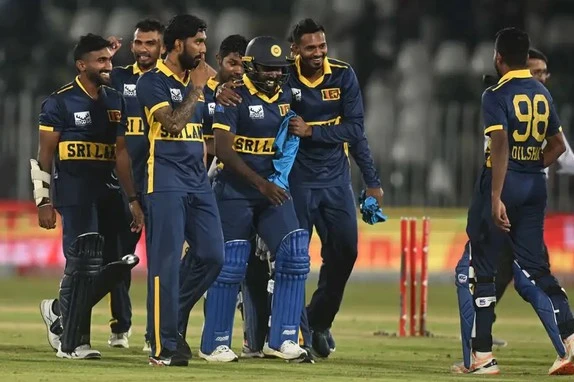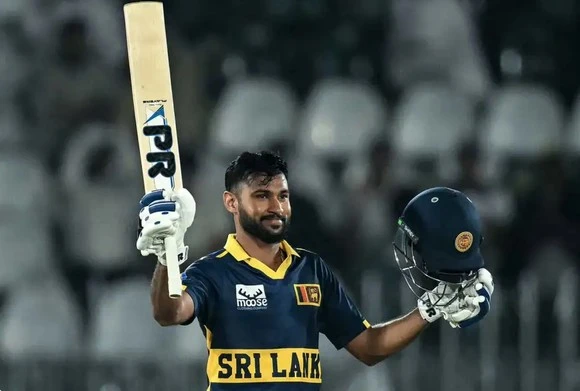
On October 22, 2026, at the Rawalpindi Cricket Stadium in Pakistan, the greatest run chase ever witnessed in ODI cricket history was recorded. This was achieved by successfully chasing down a massive target of 430 runs set by England, losing 8 wickets in 49.5 overs.
This astonishing victory for Sri Lanka, secured by Janith Liyanage's massive six in the final over of the match, entered the record books as the second-highest successful run chase in ODI history. Previously, that spot was held by India's chase of 406 runs, featuring Shubman Gill's unbeaten innings of 223 runs. However, this Sri Lankan triumph was second only to the historic record set by South Africa (438/9) against Australia in 2006.In this match, which was the third game of the Pakistan Tri-Nation ODI Cricket Series, Sri Lanka won the toss and decided to bowl first. However, England's batsmen launched a fierce attack on that decision, accumulating 429 runs for 4 wickets at the end of the allotted 50 overs. This was the highest score ever made by a team in an ODI match on Pakistani soil at the halfway mark of an innings.
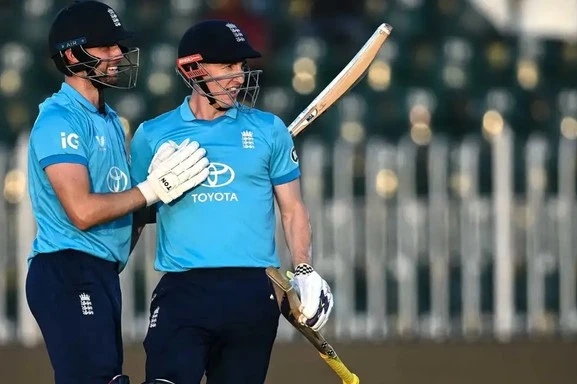
England captain Harry Brook, who played an exceptional innings, scored 202 runs off 116 balls. He hit 10 sixes and 21 fours in his innings, completing his double century in 114 balls. Brook thus broke the record for the fastest ODI double century in the world, previously held by Indian player Shubman Gill, who scored it in 117 balls against the West Indies in September 2026. He also became the first male player to score an ODI double century for England and surpassed Ben Stokes' England record of 182 runs. He also made history as the second player in the world (after Chris Gayle) to score a Test triple century, an ODI double century, and a T20 century. Brook, who scored only 13 runs in his first 24 balls, took only 39 balls to reach his second century, i.e., from 100 to 200 runs. Brook built a 159-run partnership with Joe Root (69 runs) and an unbroken 185-run partnership with Will Jacks (unbeaten 66 runs off 30 balls). Sri Lankan bowlers were severely attacked, with only Dunith Wellalage managing to take 2 wickets for 56 runs.
Sri Lanka's start to chasing the massive target of 430 runs was not optimistic. Kamindu Mendis was dismissed for 18 runs, and Kusal Mendis was run out (after Gus Atkinson's fingertips touched the ball) before facing a single delivery or scoring any runs. With 2 wickets down for 24 runs, Pavan Rathnayake and Avishka Fernando rebuilt the Sri Lankan innings, taking advantage of the heavy dew conditions prevalent at night.
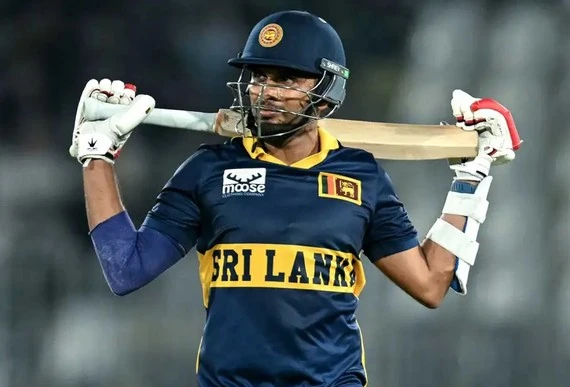
Although Avishka Fernando was dismissed for 97 runs, Pavan Rathnayake scored an excellent 130 runs off 106 balls, including 15 fours and 3 sixes, earning him the Man of the Match award. Dasun Shanaka, who came in at the middle order, accelerated the chase with a rapid 97 runs off 50 balls, including 8 sixes. England's bowlers, playing without Jofra Archer and Adil Rashid, were put under immense pressure by the aggressive batting of the Sri Lankan batsmen and the dewy conditions.
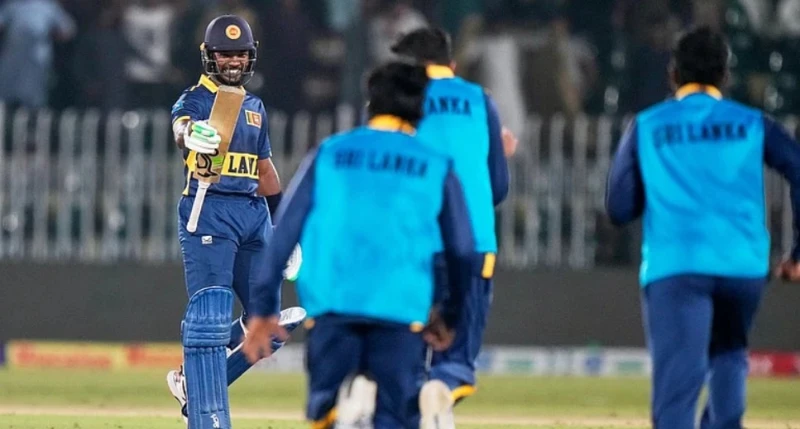
In the latter part of the match, England's Josh Tongue (3 wickets for 79 runs) brought back hope for England by dismissing Dunith Wellalage and Eshan Malinga with consecutive yorkers. Consequently, 6 runs were needed for victory off the last 2 balls. However, Janith Liyanage, who was unbeaten on 61 runs off 27 balls, hit a massive six over the long-off region off Josh Tongue's delivery, securing a magnificent 2-wicket victory for Sri Lanka.
Since Sri Lanka had previously lost to host Pakistan by 37 runs on October 18, and England had lost by 87 runs on October 20, victory in this match was crucial for both teams. With this historic win, Sri Lanka earned their first bonus points, and the upcoming matches will be decisive for both teams to qualify for the final, which will be held on October 31 at Gaddafi Stadium in Lahore. This match, where both teams collectively scored 859 runs, also entered the cricket annals as the highest aggregate score recorded in a match between Sri Lanka and England.