![Gossip Lanka News [English]](https://blogger.googleusercontent.com/img/a/AVvXsEhYm2aFFq-bIW1nWX-RrqnPFoIsVos6_VCVz8BpLt0QJi55GNXHXC2fugeRvL0qUStEuCfs7Sfu6ZiSlhrkldxfGuE_wzy5gitY6rMZ2KSi8VBbGvkgXLks37RwZV-4-HKbWiNLRxB8C_r1e4z3mpxFTMPDJPEADoG8E-bZteWFipeD5KNGbjvCfqEfKw=s300 "Gossip Lanka News [English]")
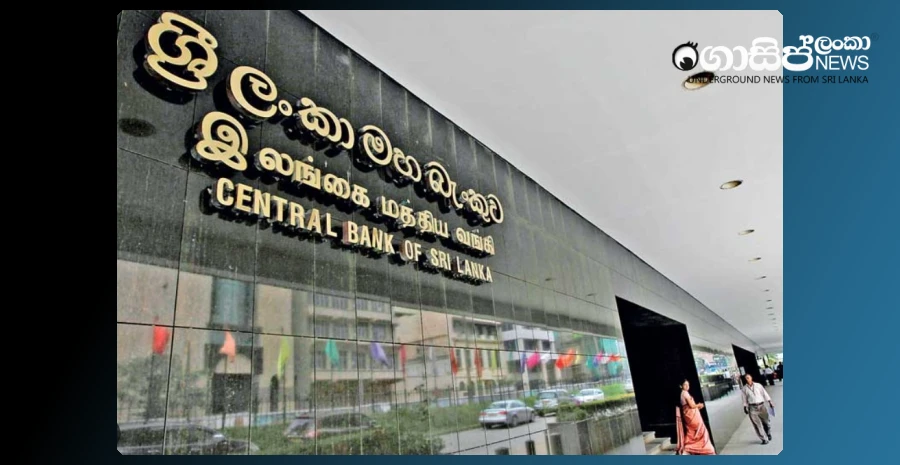
Despite the external economic impacts arising from the Middle East crisis, the Central Bank of Sri Lanka maintained the Sri Lankan Rupee at a stable level and purchased a net foreign exchange amount of USD 579 million from the domestic foreign exchange market in August 2026. This marks the highest foreign exchange purchase made by the Central Bank in a single month since January 2025.
Instead of spending foreign reserves to protect the Rupee as in the past, the monetary authorities have been able to increase reserves by leveraging the stability of the Rupee.The value recorded this August has surpassed the previous highest values of USD 461 million recorded in February 2026 and USD 356 million recorded in August 2025. With this, the net dollar purchases made by the Central Bank during the first eight months of 2026 exceeded USD 1.48 billion. For the entire year of 2025, the Central Bank had recorded net purchases of USD 2 billion.
The level of purchases this time indicates a clear difference from the measures adopted by the Central Bank during Sri Lanka's previous balance of payments crises. In previous crises, to prevent uncontrolled depreciation of the Rupee, the Central Bank acted as a net dollar seller, depleting its foreign reserves. This led to a rapid decline in reserves, and once the ability to intervene in the market ended, the Rupee again came under severe pressure. However, this time, the Central Bank has been able to absorb external impacts, maintain net purchases, and increase foreign reserves.
With the escalation of conflicts in the Middle East region in late February, the country's external economic sector came under severe pressure. The value of the Rupee against the US Dollar was slightly overvalued by 0.2% at the end of February 2026, but it depreciated by 1.6% by the end of March and by 2.9% by the end of April. This depreciation increased to 5.4% by the end of May and reached a peak of 7.9% by the end of June.
From then on, the Rupee began to return to a stable level. Despite the continued pressure from the Middle East crisis, the depreciation of the Rupee from the beginning of the year decreased to 7.8% by the end of July and to 5.5% by the end of August. For the entire year of 2025, the Rupee had depreciated by 5.6% against the US Dollar.
The Central Bank's net dollar purchases were not uniform throughout the year. Coinciding with the period of rapid Rupee depreciation, the Central Bank acted as a net seller in April and May, releasing USD 12.9 million and USD 211.3 million to the market, respectively. However, with the stabilization of the Rupee, the Central Bank resumed net purchases of USD 70.5 million in June, accelerating them to USD 348.6 million in July, and a record high of USD 579 million in August.