![Gossip Lanka News [English]](https://blogger.googleusercontent.com/img/a/AVvXsEhYm2aFFq-bIW1nWX-RrqnPFoIsVos6_VCVz8BpLt0QJi55GNXHXC2fugeRvL0qUStEuCfs7Sfu6ZiSlhrkldxfGuE_wzy5gitY6rMZ2KSi8VBbGvkgXLks37RwZV-4-HKbWiNLRxB8C_r1e4z3mpxFTMPDJPEADoG8E-bZteWFipeD5KNGbjvCfqEfKw=s300 "Gossip Lanka News [English]")
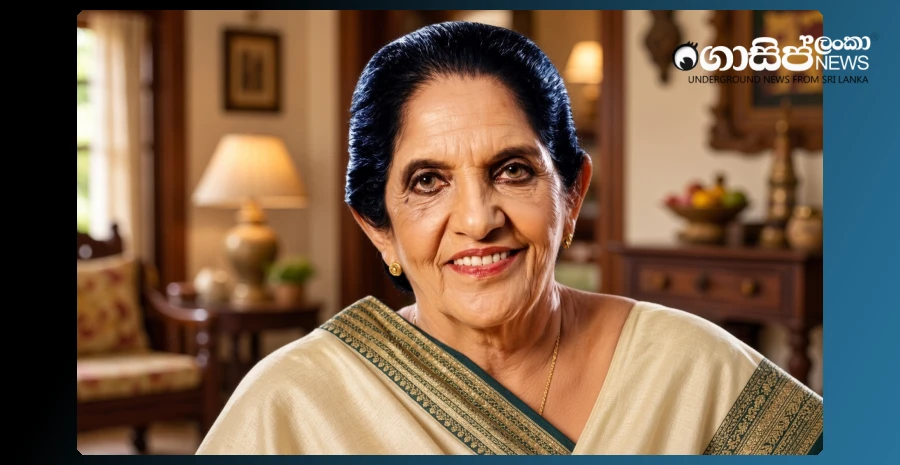
Mrs. Daya Nellampitiya, who was the country's most senior simple song and viridu singer as well as a veteran dance instructor, has passed away at her home in Kalubowila. Her final rites are scheduled to be held tomorrow (15). She was 91 years old at the time of her demise.
Having served for a long period in several leading schools across the island, teaching the Kandyan dance tradition to thousands of students, she is also considered the 'original guru mother' (first teacher) to many veterans in the current art field.Daya Nellampitiya, wife of veteran viridu singer Mr. Sena Ponseka, was a renowned traditional folk singer known by the name of the Nellampitiya area. The viridu and folk songs she sang with artists like Sena Ponseka and Rohana Beddage became cherished childhood memories for past listeners. These songs, which reached audiences through popular programs like 'Shanida Hamuwa' on the Sri Lanka Broadcasting Corporation, were frequently heard during festive seasons as well as various occasions in everyday rural life.
Her creations were foundational in preserving the simple, realistic folk music art intertwined with rural life, as depicted in works like W. B. Makuloluwa's 'Hela Gee Maha Potha' and UNESCO reports. Her song collection, compiled by Mr. Ranjith Daluwatta and added to the Internet Archive, includes numerous works such as 'Buddharathnaye Saranin', 'Angirasa Budupiya Wadinemu', 'Irata Sandata Horen Awurudu Awa', 'Gami Kellan Raban Gahanawa', 'Anguru Kotala', 'Mihintale Pawwen', and 'Lenchina'. The songs she sang, themed around Sinhala New Year, farming, sickles, motherhood, raban playing, as well as Mihintale and the Sacred Tooth Relic, are a proud mark of indigenous auditory culture.
The invaluable service rendered by artist Daya Nellampitiya in safeguarding and bequeathing to future generations the traditional Sri Lankan folk art nourished by Goyam Kavi (harvest songs), Pel Kavi (hut songs), Gal Kavi (stone songs), and Pathal Kavi (mine songs), along with the Viridu singing style, is unparalleled and will remain eternally etched in the history of indigenous art.