![Gossip Lanka News [English]](https://blogger.googleusercontent.com/img/a/AVvXsEhYm2aFFq-bIW1nWX-RrqnPFoIsVos6_VCVz8BpLt0QJi55GNXHXC2fugeRvL0qUStEuCfs7Sfu6ZiSlhrkldxfGuE_wzy5gitY6rMZ2KSi8VBbGvkgXLks37RwZV-4-HKbWiNLRxB8C_r1e4z3mpxFTMPDJPEADoG8E-bZteWFipeD5KNGbjvCfqEfKw=s300 "Gossip Lanka News [English]")
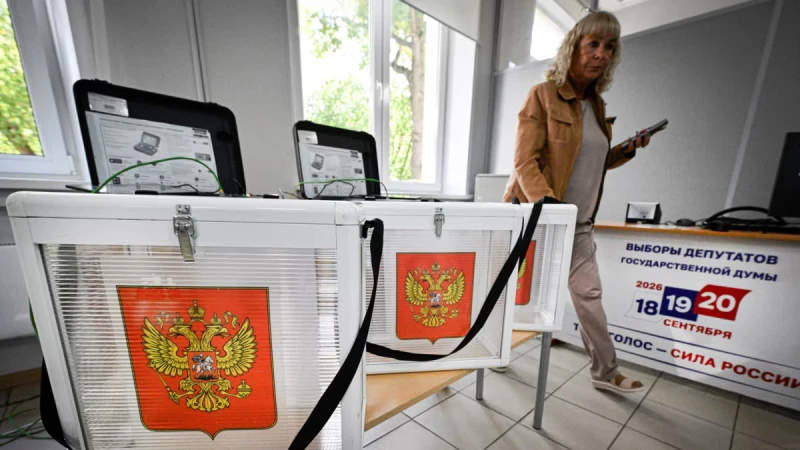
The first parliamentary election held in Russia after the full-scale invasion of Ukraine in 2022 took place over three days from September 18 to 20, 2026. According to the official results of this election, which was held to elect 450 seats in the lower house of the Duma, as well as regional governors and legislators, the ruling United Russia party has succeeded in gaining an unprecedented constitutional majority.
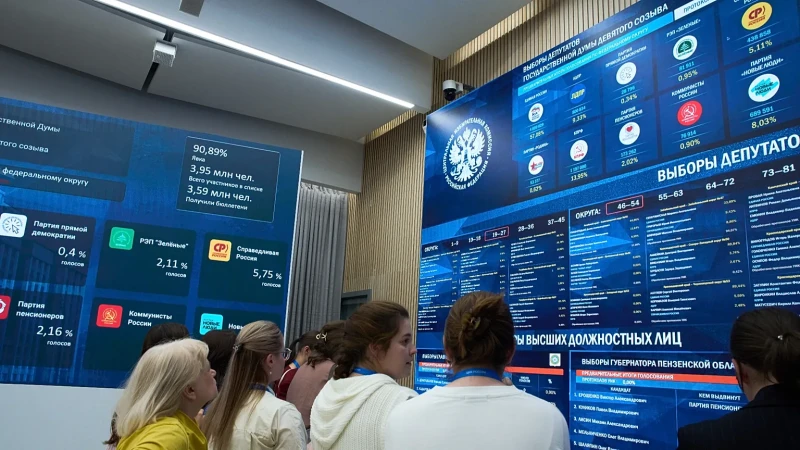
Ella Pamfilova, Chairperson of the Central Election Commission, stated that 59.32% of the 111 million registered voters, or 62.6 million, cast their votes, which is the highest voter turnout recorded in 15 years.The United Russia party is estimated to secure 355 seats, winning 57.83% of the party-list votes and 208 out of 225 single-member constituencies. Additionally, the Communist Party (CPRF) gained parliamentary representation with 13.8%, the LDPR party with 9%, the New People party with 8%, and A Just Russia with 5%. However, independent observers, opposition parties, and statistical analysts point out that this election was conducted under strict control and various influences. Exit polls from VCIOM, a state polling agency, indicated that United Russia would receive close to 49%, while pre-election surveys recorded it as low as 30%. Independent analysts, including Ivan Shukhshin from the 'Russian Election Observer' organization, indicate that the actual voter turnout was less than 50% (below 40% in some regions) and that the ruling party actually received between 35% and 42% of party-list support.
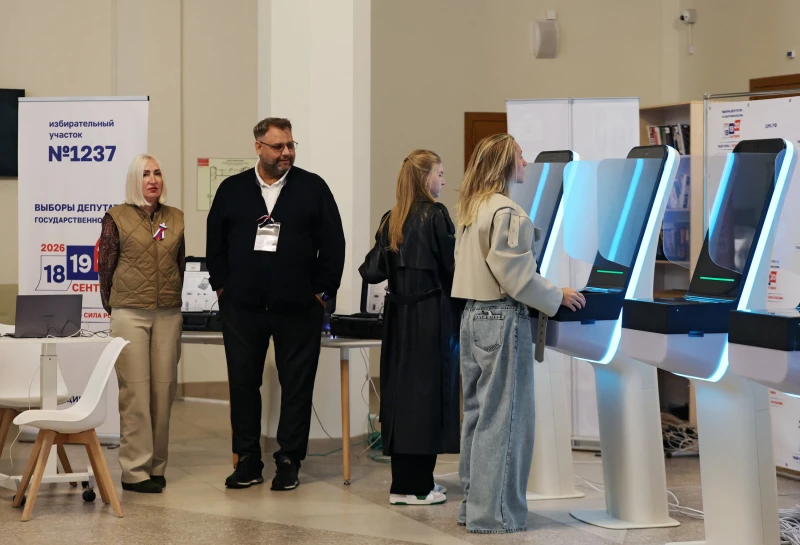
Unusually high voter turnouts have been reported in many regions from St. Petersburg to Dagestan, with remote electronic voting (REV) covering approximately 48 million people and showing an official turnout of about 91%. Steps had been taken to severely restrict the candidate selection process even before the election. The Yabloko party, the only registered party that publicly spoke out against the war and called for the withdrawal of troops, was removed from the federal party list by a Supreme Court ruling. Legal action was taken against state critics, accusing them of being "foreign agents," extremists, or "discrediting the army," leading to a 25-27% decrease in the number of candidates compared to previous elections, and an over 50% decrease in independent candidates. Furthermore, independent election monitoring organizations like 'Golos' were deactivated, and its co-chairman Grigory Melkonyants was sentenced to five years in prison in 2025. On election days, employees of state-owned enterprises, universities, hospitals, energy companies, and supermarket chains were organized to vote electronically, and their participation was monitored by senior officials. Over 1,000 complaints were reported regarding the use of pre-filled ballots, ballot stuffing in Mari El and Voronezh regions, carousel voting in Moscow, and the use of unsealed ballot boxes.
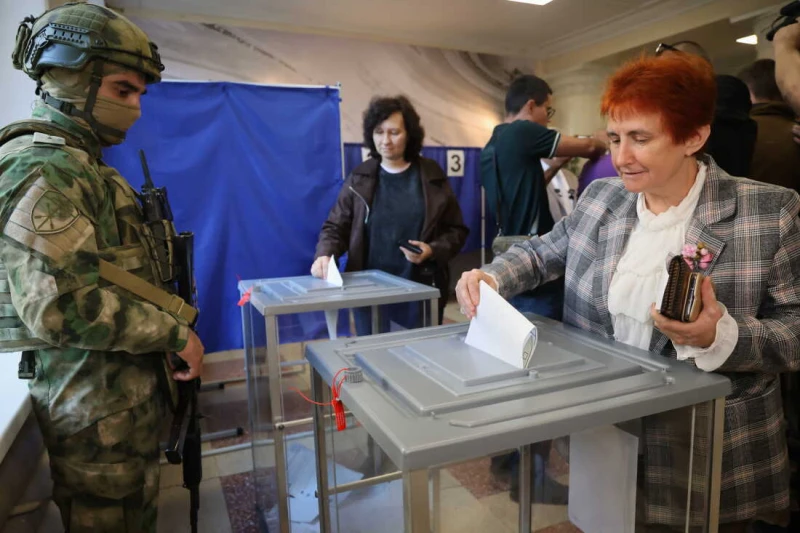
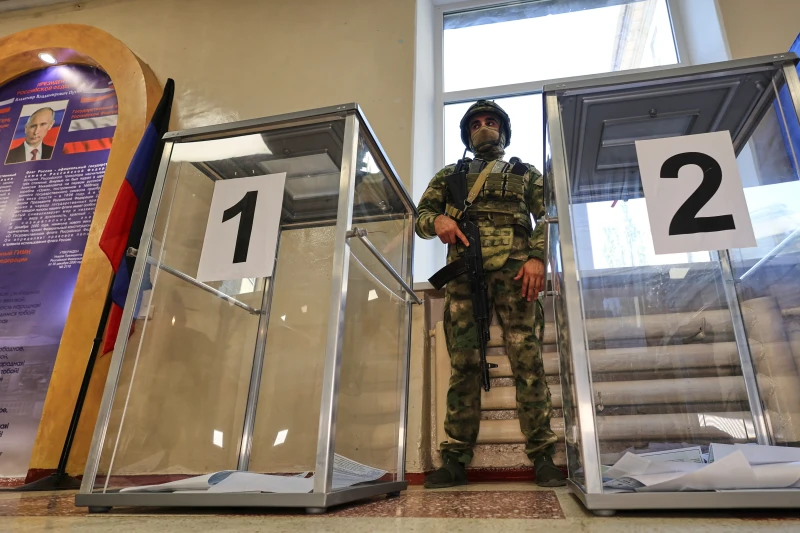
Furthermore, information has been revealed about the possibility of altering electronic election results through the modified technical system called 'Vybory 2.0', and the commission stated that it had to face over a thousand cyberattacks. Strict measures were taken to restrict the activities of independent election observers, and on the very first day of the election, nearly 1,527 observers from the Communist Party and the Yabloko party were banned from monitoring. Some observers were removed by the police, and a Yabloko observer in St. Petersburg fainted during arrest. Russia once again did not invite OSCE/ODIHR international observers, instead opting to organize monitoring through observers from friendly countries and the newly established IAPEE/IAIEE organization. This election was also organized in the Ukrainian territories illegally occupied by Russia, namely Crimea, Sevastopol, Donetsk, Luhansk, Zaporizhzhia, and Kherson, and
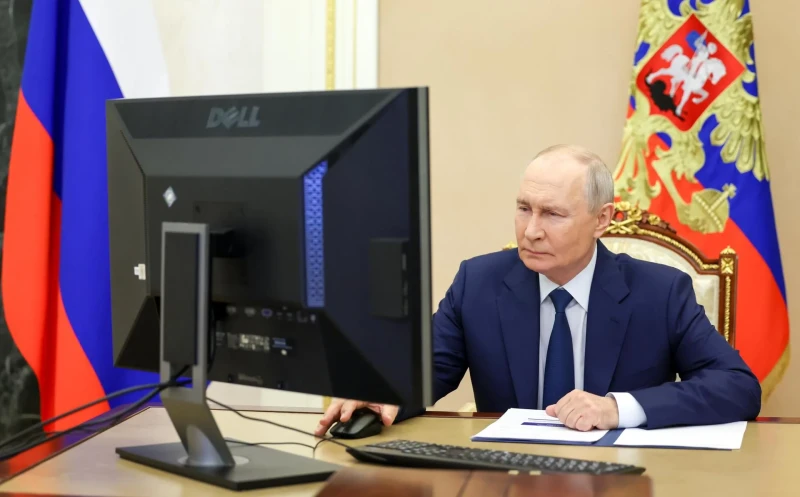
voting was conducted by going to homes with armed forces personnel. On September 20, the final day of the election, Ukraine launched a series of massive drone attacks targeting Moscow, which Russian authorities described as an attempt to disrupt the election. President Putin cast his vote electronically from his office, and state media presented the ruling party's victory as public support for national unity and military operations. The European Union called this election a setback for Russian democracy and declared the voting held in the occupied Ukrainian territories illegal.