![Gossip Lanka News [English]](https://blogger.googleusercontent.com/img/a/AVvXsEhYm2aFFq-bIW1nWX-RrqnPFoIsVos6_VCVz8BpLt0QJi55GNXHXC2fugeRvL0qUStEuCfs7Sfu6ZiSlhrkldxfGuE_wzy5gitY6rMZ2KSi8VBbGvkgXLks37RwZV-4-HKbWiNLRxB8C_r1e4z3mpxFTMPDJPEADoG8E-bZteWFipeD5KNGbjvCfqEfKw=s300 "Gossip Lanka News [English]")
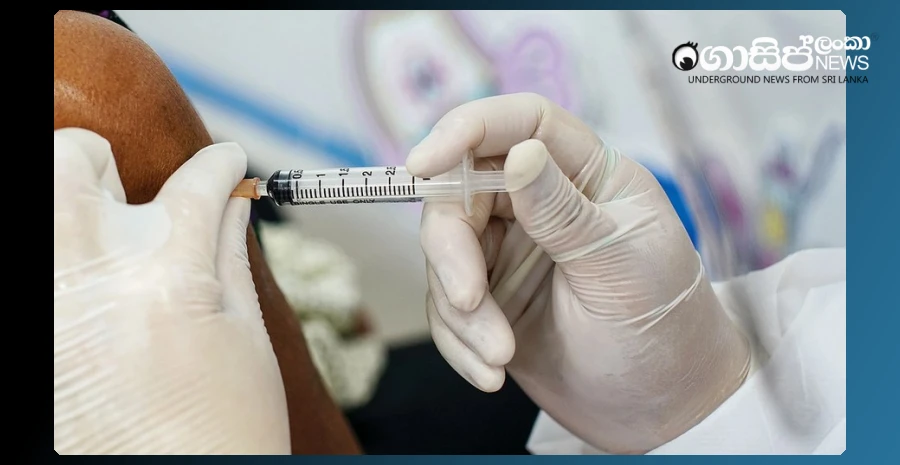
Serious questions have arisen regarding the release of a stock of approximately 190,000 G-CSF anti-cancer vaccines, valued at nearly Rs. 250 million, which are said to have been imported into the country without proper standards and labeling. Dr. Chamal Sanjeewa, President of the Alliance of Doctors' Trade Unions for Medical and Civil Rights, points out that the National Medicines Regulatory Authority (NMRA) should reveal to the country who authorized the release of this stock of medicines from customs.
He also states that these G-CSF vaccines, given to restore the immune system of cancer patients, including young children, after radiation therapy, have not been used due to issues with their quality and labeling. Questioning how such a large stock entered the country if proper registration, quality certificates, import control approval, and labeling requirements were not met, he insists that Dr. Ananda Wijewickrama, Chairman of the National Medicines Regulatory Authority, should disclose to the country who obtained these vaccines.
Furthermore, Dr. Sanjeewa emphasizes that the State Pharmaceuticals Corporation (SPC), which imported this stock of medicines, and the National Medicines Regulatory Authority should explain how the relevant stock was brought into the country and released from customs. He also accuses responsible officials of concealing information while cancer patients and doctors face severe difficulties due to medicine shortages. It is also reported that doctors in several hospitals have commented on social media about issues arising when administering certain medications to cancer patients. Due to the shortage of medicines, including cancer drugs, prices in private pharmacies have increased, and some drugs on the market are alleged to be unregistered. Dr. Sanjeewa states that there is a shortage of doctors and specialist doctors in the public health system, and the delay in filling approved positions, along with salary and tax issues, has hindered doctors from joining public service. The emigration of young doctors has also affected the health sector, and although the health service should have at least 5,000 specialist doctors and 30,000 medical officers, many problems have arisen due to delays in Treasury approval. Neither the National Medicines Regulatory Authority nor the State Pharmaceuticals Corporation has yet responded to these allegations.