![Gossip Lanka News [English]](https://blogger.googleusercontent.com/img/a/AVvXsEhYm2aFFq-bIW1nWX-RrqnPFoIsVos6_VCVz8BpLt0QJi55GNXHXC2fugeRvL0qUStEuCfs7Sfu6ZiSlhrkldxfGuE_wzy5gitY6rMZ2KSi8VBbGvkgXLks37RwZV-4-HKbWiNLRxB8C_r1e4z3mpxFTMPDJPEADoG8E-bZteWFipeD5KNGbjvCfqEfKw=s300 "Gossip Lanka News [English]")
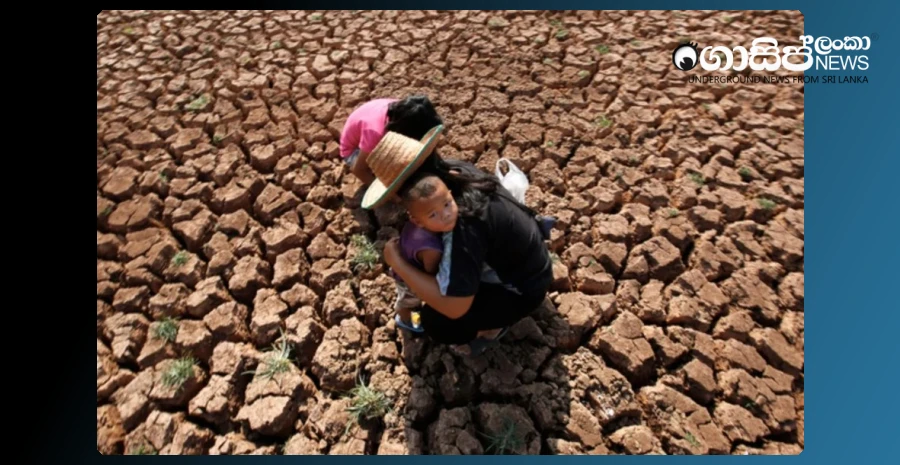
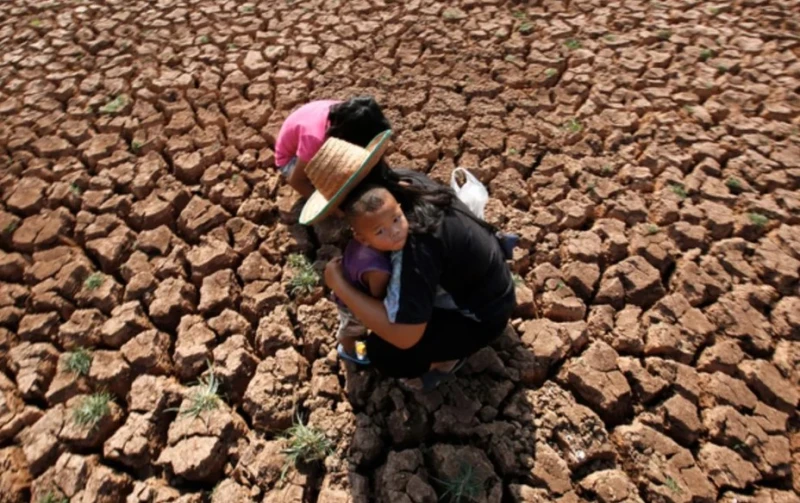
An American research team has warned that approximately 6,500 heat-related deaths could occur in the Philippines over the next few months due to the emerging 'Super El Niño' phenomenon across the Western Pacific region. This warning was issued by Climate Impact Lab, an American institution that studies climate impacts, and they predict that this additional number of deaths will be recorded between September 2026 and February 2027, exceeding the average for a normal year.
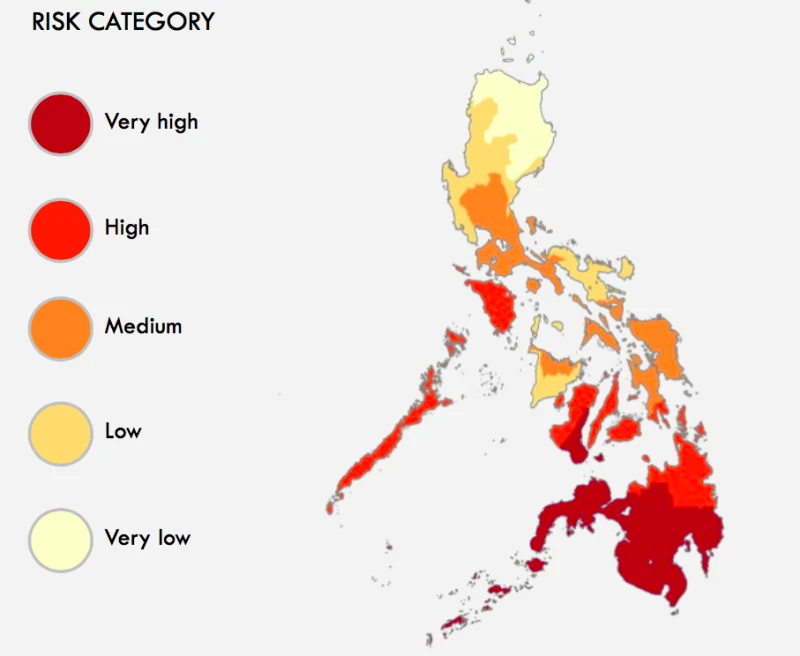
Globally, this situation could be very severe, with nearly 451,000 people worldwide potentially dying in the coming months due to the El Niño phenomenon, according to Michael Greenstone, co-founder of the institution. This research institution was established in 2016 by a collaboration of researchers from the University of Chicago, the University of California, Rhodium Group, and Rutgers University. Meanwhile, Filipino climate experts also held a separate press conference on Wednesday, issuing warnings about the Super El Niño phenomenon and confirming that the extreme weather conditions have already arrived in the country. According to Ana Liza Solis, head of the Climate Monitoring Division of the Philippine Atmospheric, Geophysical and Astronomical Services Administration (Pagasa), as this situation intensifies, eight provinces are expected to face severe drought. Furthermore, 45 provinces will experience rainfall deficits and dry weather conditions, while another 27 provinces will be subjected to severe dry weather.
Experts warn that low rainfall and high temperatures could severely impact the country's agriculture. In this context, although reservoirs around the Philippine capital are currently full,
hydrometeorologist Edgar dela Cruz stated that the situation is being closely monitored as water levels could drop after the monsoon season ends. This climate crisis is not limited to the Philippines but will also severely affect other countries in Southeast Asia. In Indonesia, which is already battling wildfires caused by climate change, 19,300 deaths due to extreme heat are predicted in the coming months, and researchers estimate that an additional 19,400 deaths could be reported from Vietnam, Thailand, and Cambodia. To control this situation, the research team emphasized that emergency response operations should be directed to high-priority regions in the coming months.