![Gossip Lanka News [English]](https://blogger.googleusercontent.com/img/a/AVvXsEhYm2aFFq-bIW1nWX-RrqnPFoIsVos6_VCVz8BpLt0QJi55GNXHXC2fugeRvL0qUStEuCfs7Sfu6ZiSlhrkldxfGuE_wzy5gitY6rMZ2KSi8VBbGvkgXLks37RwZV-4-HKbWiNLRxB8C_r1e4z3mpxFTMPDJPEADoG8E-bZteWFipeD5KNGbjvCfqEfKw=s300 "Gossip Lanka News [English]")
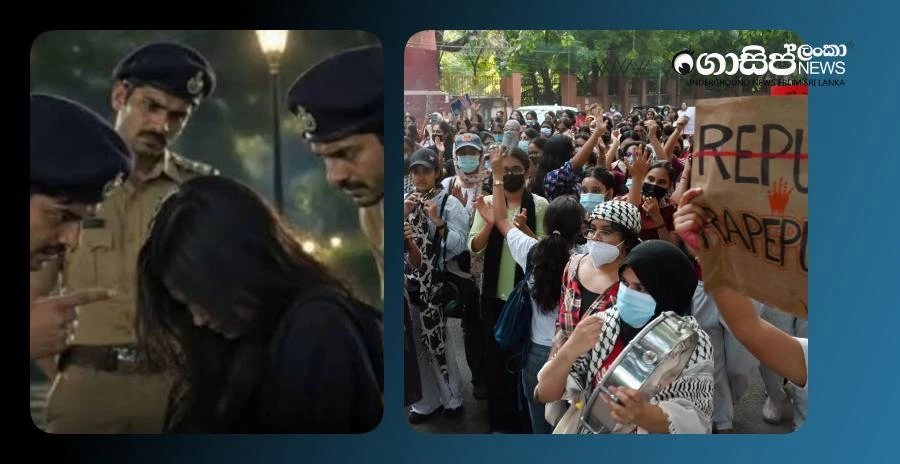
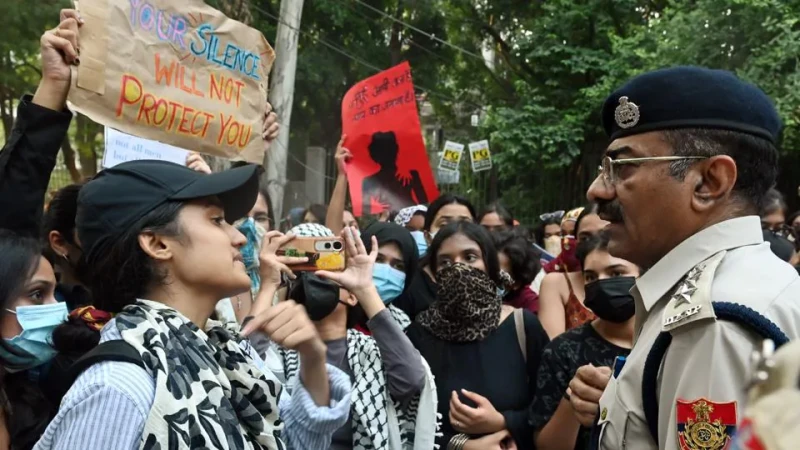
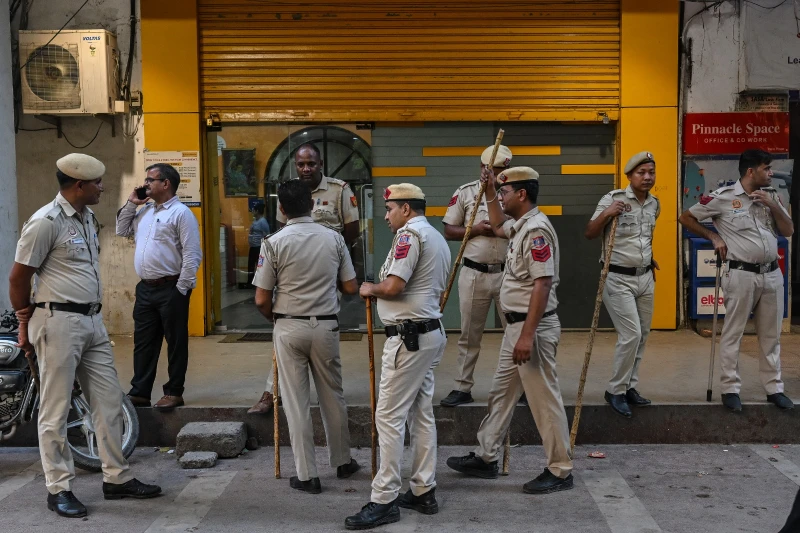
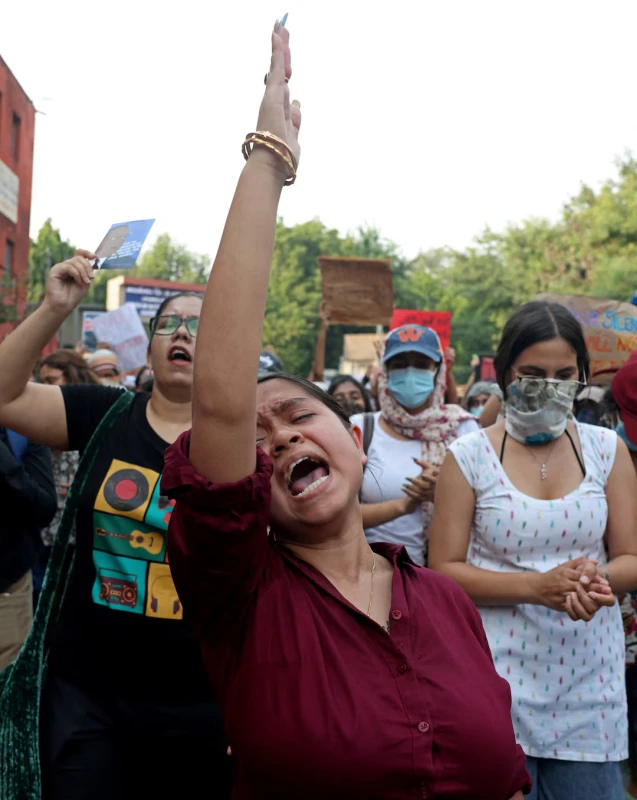
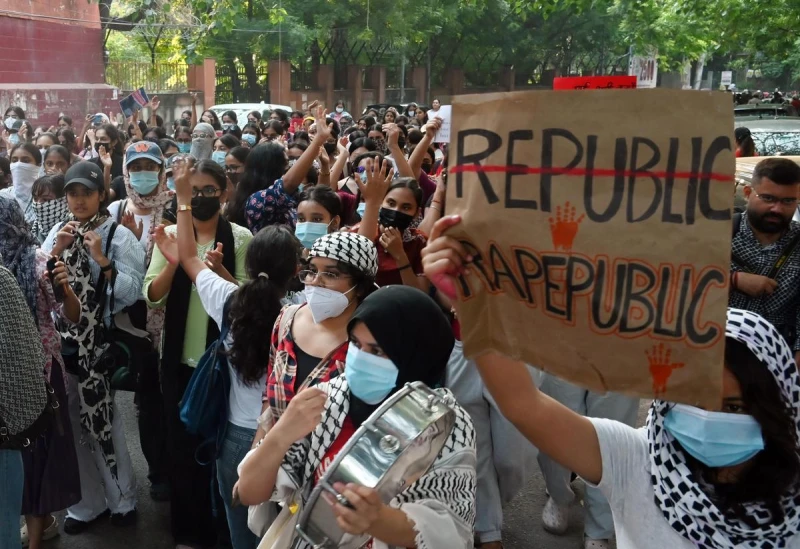
Following the incident where a 17-year-old girl was gang-raped in a Delhi park by three individuals posing as police officers, hundreds of students have marched in protest on the streets of New Delhi, demanding the assurance of women's safety. With this crime, which occurred last Monday, the discussion about women's safety in India has once again come to the forefront, and the failure of the strict legal reforms introduced to curb sexual violence is also being severely questioned.
This latest incident recalls the tragic event in 2012 when a 23-year-old physiotherapy student was gang-raped and murdered inside a bus. Following nationwide protests after the incident involving the victim known as "Nirbhaya," Indian laws were tightened, leading to a minimum of 20 years imprisonment for gang rape and the death penalty for repeat offenders. However, activists point out that these legal changes are insufficient, and the main problem lies in the process of law enforcement. Official data reports indicate that before the introduction of strict laws, in 2012, approximately 68 rape incidents were reported daily, and by 2024, this number has increased to 80 incidents per day. However, activists believe that the actual number of sexual offenses could be much higher, as many victims do not file complaints due to the fear of stigma in a deeply patriarchal society.
In recent weeks, more horrific incidents of this nature have been reported from Delhi, known as India's "rape capital," including the murder of a 16-year-old girl whose body was found in a decomposed state, and the rape of a 17-year-old girl by a driver and conductor who offered her a ride on a bus amidst heavy rain. The recent circulation of a video showing a young girl being sexually assaulted in Bihar state confirms that other regions are also not free from such crimes. According to criminal lawyer Shilpi Jain, the problem lies not with the law itself, but with the individuals and institutions that implement it. Overworked police officers and judges lack the necessary facilities to properly investigate these incidents, and one police station has to serve between 200,000 and 300,000 people, she further states. According to official data, in 2024, less than 10% of over 200,000 pending rape cases in courts have been fully resolved.
A typical rape case takes about seven or eight years, and if it goes up to the Supreme Court, it could take about 20 years, and because of this, criminals lose their fear of the law, and victims lose hope, says the lawyer. Yogita Bhayana, a women's rights activist, points out that changing societal mindset, rather than legal changes, is the real solution. She emphasizes that it is regrettable that social attitudes still persist, such as seeing a woman being out of her home at night as her fault, or attempting to control women when they are seen with another man. Poonam Muttreja, a gender rights activist, also states that this problem, based on social attitudes and inequality, cannot be solved merely through legal reforms. Experts believe that deeply ingrained cultural taboos and political resistance have severely hampered the effectiveness of government programs aimed at raising awareness about sexual violence.