![Gossip Lanka News [English]](https://blogger.googleusercontent.com/img/a/AVvXsEhYm2aFFq-bIW1nWX-RrqnPFoIsVos6_VCVz8BpLt0QJi55GNXHXC2fugeRvL0qUStEuCfs7Sfu6ZiSlhrkldxfGuE_wzy5gitY6rMZ2KSi8VBbGvkgXLks37RwZV-4-HKbWiNLRxB8C_r1e4z3mpxFTMPDJPEADoG8E-bZteWFipeD5KNGbjvCfqEfKw=s300 "Gossip Lanka News [English]")
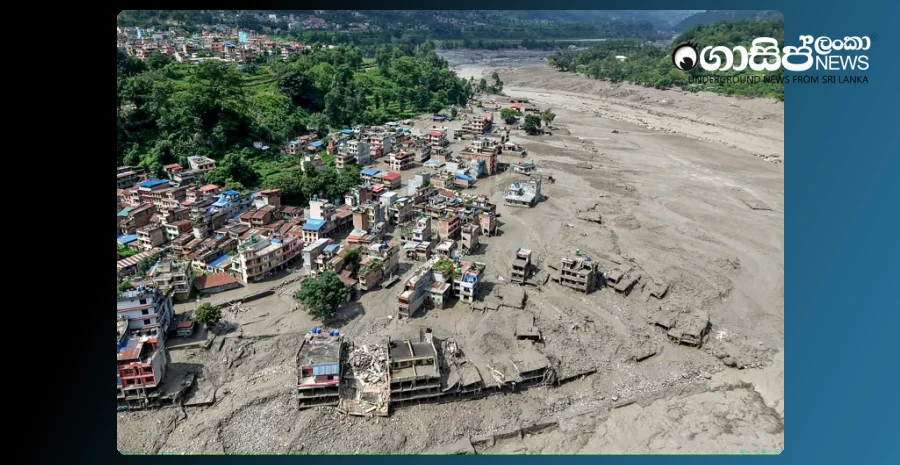
More than 95 people have died and hundreds are missing in Nepal due to the severe flash flood and landslide disaster that occurred in the Nepal-Tibet border region on the morning of August 26, 2026. On the Tibetan side, three people have been confirmed dead and another 265 are missing.
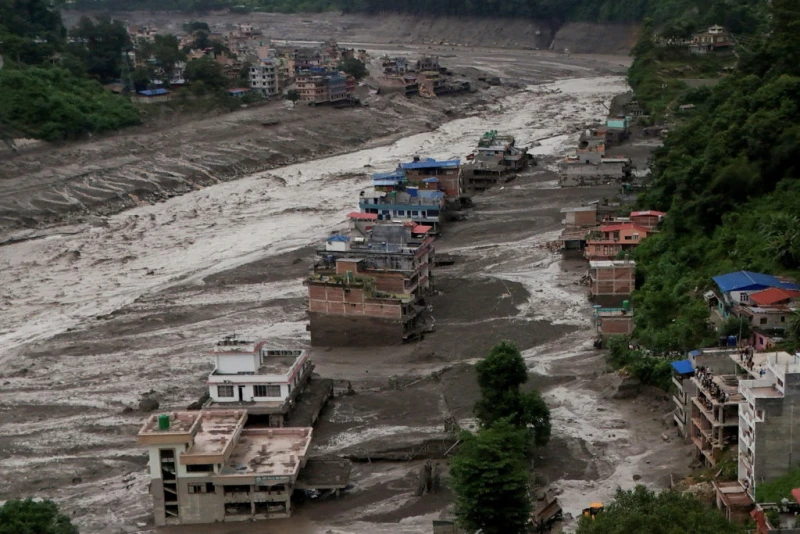
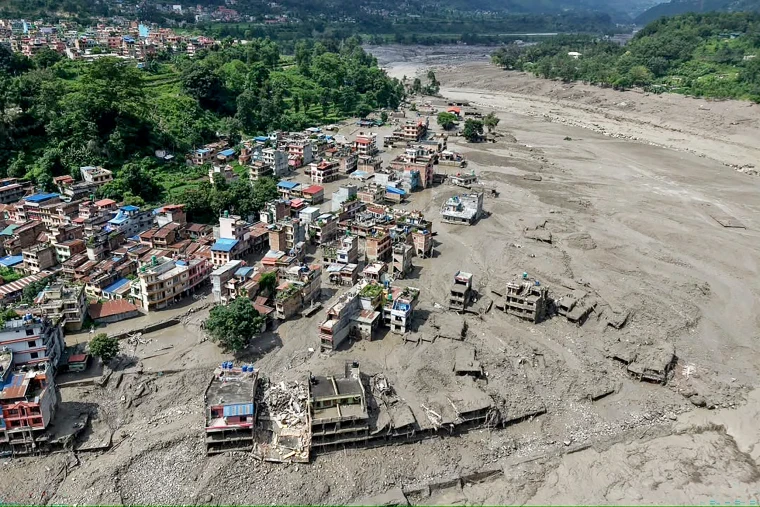
Considered one of the most severe natural disasters to occur in the Himalayan region in recent times, a large number of foreign tourists are also among the missing in this incident.This sudden surge of water in Lende Khola, a tributary in the Rasuwa district north of Kathmandu, Nepal, rapidly flowed downstream along the Bhote Koshi, Trishuli, and Narayani rivers. In the Galchhi area, the water level of the Trishuli River rose by approximately 9 meters within a short period of 30 minutes, submerging settlements in several areas including Syabrubesi, Timure, Trishuli Bazaar, Dhading, Chitwan, and Gorkha.
The main cause of this disaster was the collapse of a layer of snow and rock, approximately 2,000 feet wide, from a snow-capped mountain range located about 5,200 meters above sea level, falling from a height of approximately one kilometer. The fallen earth and snow blocked the narrow valley of Lende Khola, creating a temporary natural dam, which later burst, sending a torrent of mud, rocks, and water rapidly downstream. A 4.4 magnitude earthquake was also reported a few minutes before the disaster, and Nepal's Foreign Minister Shishir Khanal stated that it might have caused the snow avalanche. However, scientists say that heavy rainfall was not the cause and are investigating whether snowmelt also contributed to it.
Bodies of the deceased have been found in several districts of Nepal, and among the missing are officers from the Nepali army and police, as well as hundreds of tourists from 28 countries including India, the United States, and the United Kingdom. Notably, a large number of Indian pilgrims undertaking the Kailash Koot pilgrimage and individuals from the Rasuwagadhi border area are among the missing. Some people have been rescued through search operations, but high water levels have even hindered helicopter landings.
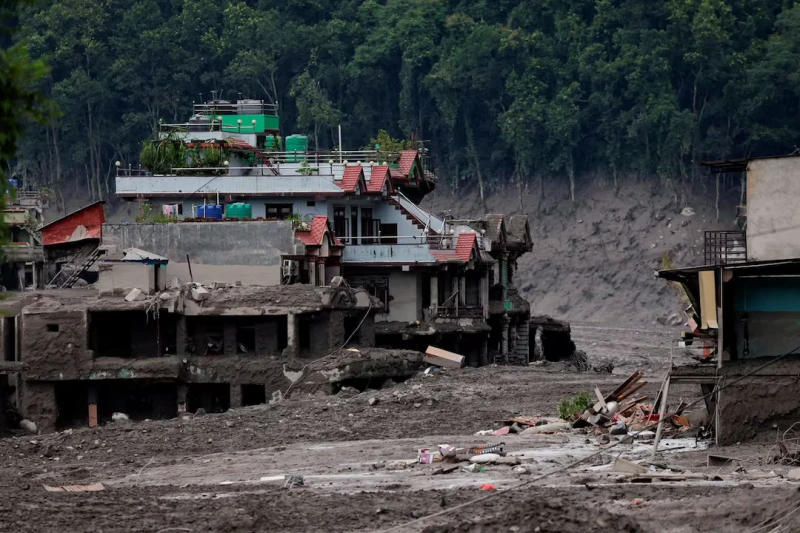
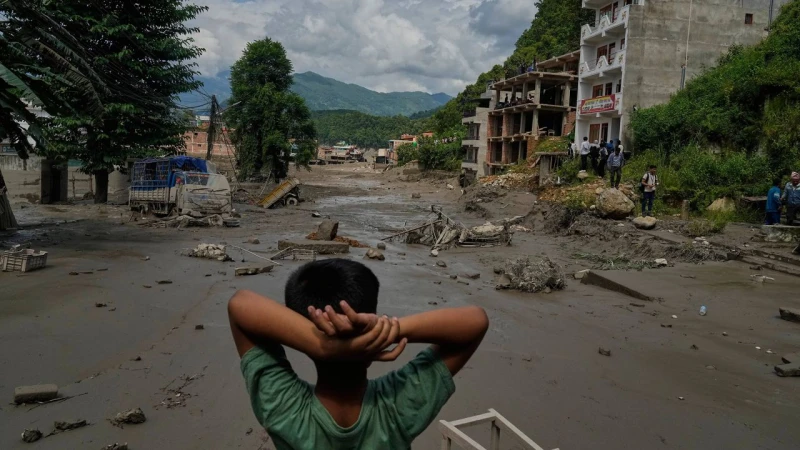
Houses and multi-story buildings on both sides of the rivers have been submerged in mud or completely destroyed, and 19 motorable bridges and 40 kilometers of road network have been destroyed. The main highway leading to Kathmandu had to be closed, and damage to hydropower systems has resulted in a loss of more than 12 percent of Nepal's national hydropower generation. Additionally, electricity, communication services, and the Gyirong border crossing with China have been completely disrupted.
Nepali Prime Minister Balendra Shah ordered people living in low-lying areas to immediately move to higher ground, and relief efforts have commenced with the deployment of the army and police. China has also accelerated its search operations, and India has issued early warnings for downstream areas, offering support for relief services. With global warming, such disasters are increasing in the Himalayan region, and as there is a risk of another surge of water, search and rescue operations continue in Rasuwa and downstream areas.