![Gossip Lanka News [English]](https://blogger.googleusercontent.com/img/a/AVvXsEhYm2aFFq-bIW1nWX-RrqnPFoIsVos6_VCVz8BpLt0QJi55GNXHXC2fugeRvL0qUStEuCfs7Sfu6ZiSlhrkldxfGuE_wzy5gitY6rMZ2KSi8VBbGvkgXLks37RwZV-4-HKbWiNLRxB8C_r1e4z3mpxFTMPDJPEADoG8E-bZteWFipeD5KNGbjvCfqEfKw=s300 "Gossip Lanka News [English]")
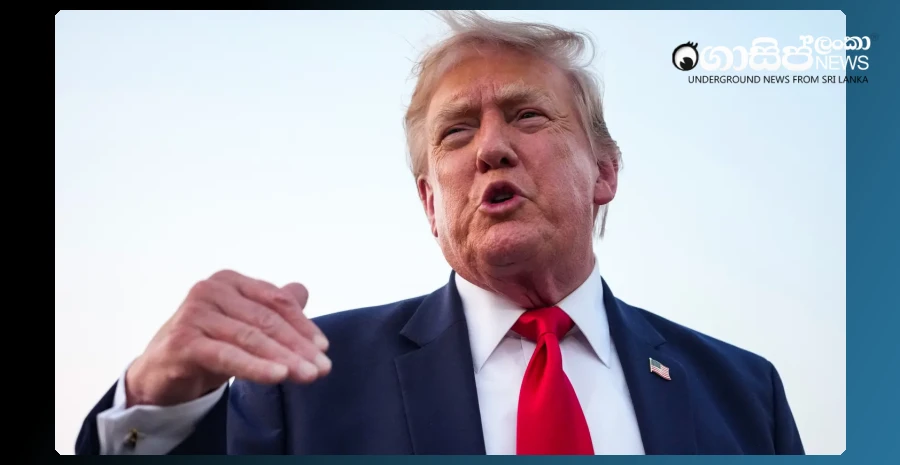
The United States has taken steps to impose new tariffs ranging from 10 percent to 12.5 percent on its 60 major trading partners. These new tariffs, imposed by the Trump administration and effective from 12:01 AM on Friday, July 24, 2026, cover 99.4 percent of American imports, coming into effect with the expiration of the previously implemented 10 percent temporary global tax.
The failure of relevant countries to prohibit the import of goods produced using forced labor or to actively enforce such prohibitions has been cited as the main reason for these tariffs.This decision is based on investigations initiated in March 2026 under Section 301 of the 1974 Trade Act and findings published in early June. U.S. Trade Representative Jamieson Greer stated that this addresses a human rights issue as well as a trade distortion that adversely affects American workers and businesses. A 10 percent tariff rate has been set for countries including Canada, Great Britain, Mexico, Indonesia, Pakistan, Bangladesh, India, and Sri Lanka, which have imposed or legally committed to bans on forced labor imports. Conversely, a 12.5 percent tariff rate applies to major trading partners such as China, Japan, Australia, New Zealand, Brazil, South Korea, and Vietnam, which have not imposed or actively enforced such prohibitions.
To limit the impact on the American economy, a range of specific goods, including informational materials, donations, energy products like oil and gas, certain types of fertilizers, and food items, have been exempted from these tariffs. The Trump administration has moved to Section 301, which has a more robust procedure, after previously imposed tariffs under emergency legal powers were legally challenged and overturned by a Supreme Court ruling.
These tariffs have drawn strong international criticism, with Brazil declaring it an arbitrary and unjustifiable measure and stating its intention to retaliate. Leaders from Japan, Australia, Canada, and New Zealand have also expressed their regret and opposition. Meanwhile, within the United States, critics, including Senate Minority Leader Chuck Schumer, have pointed out that these tariffs will increase consumer goods prices and impose an additional burden on the domestic population.
It is noteworthy that Sri Lanka has been assigned a lower tariff rate of 10 percent under the new Section 301 forced labor regulations. In the preliminary findings presented in June 2026, Sri Lanka was initially placed in the higher 12.5 percent tariff category, but due to swift actions taken by the Sri Lankan government, the rate was reduced to 10 percent. Accordingly, on July 10, 2026, President Anura Kumara Dissanayake, in his capacity as Minister of Finance, issued a gazette notification taking steps to prohibit the import of goods produced wholly or partly using forced labor.
The United States is Sri Lanka's largest single export market, with the value of Sri Lankan exports to the U.S. in 2025 being approximately USD 3 billion. Over 60 percent of these exports are represented by the apparel and textile sector, which is a primary foundation for domestic employment and foreign exchange earnings.
Sri Lanka's inclusion in the same 10 percent tariff category as major apparel competitors like Bangladesh, Cambodia, and India has averted a significant competitive disadvantage. However, even with inclusion in the lower tariff category, this tax will increase the cost of Sri Lankan goods sent to the American market, and Sri Lankan exporters will face challenges such as reduced profit margins for manufacturers, American customers demanding lower prices, and increased costs for legal scrutiny in supply chains.