![Gossip Lanka News [English]](https://blogger.googleusercontent.com/img/a/AVvXsEhYm2aFFq-bIW1nWX-RrqnPFoIsVos6_VCVz8BpLt0QJi55GNXHXC2fugeRvL0qUStEuCfs7Sfu6ZiSlhrkldxfGuE_wzy5gitY6rMZ2KSi8VBbGvkgXLks37RwZV-4-HKbWiNLRxB8C_r1e4z3mpxFTMPDJPEADoG8E-bZteWFipeD5KNGbjvCfqEfKw=s300 "Gossip Lanka News [English]")
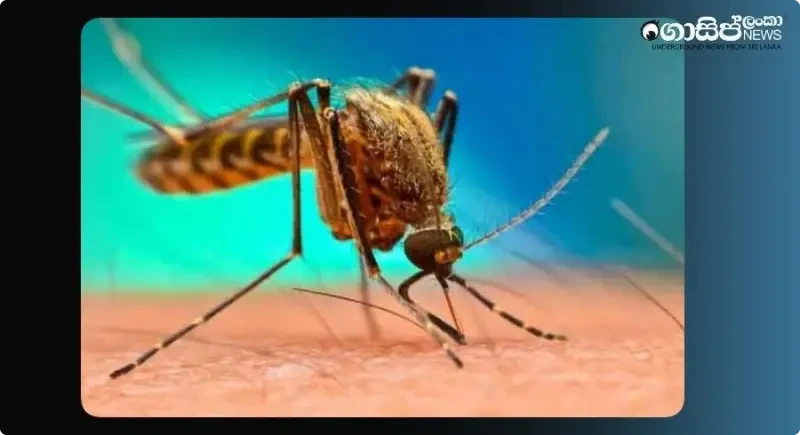
During a special program implemented to identify dengue mosquito breeding sites and larvae in the Padukka Medical Officer of Health (MOH) division, it was revealed that 50% of the public sector institutions in the area have dengue mosquito and larvae breeding sites. Addressing the Padukka Coordination Committee meeting, Medical Officer of Health Dr. K.H.
Jagath Kumara revealed this.Although the percentage of dengue mosquito breeding sites that can normally be controlled should not exceed 5%, this field inspection identified 50% of public institutions as mosquito breeding sites. Additionally, it has been revealed that dengue mosquito breeding grounds exist in 43.7% of cemeteries, 40% of school premises, and 38.5% of religious places in the area. The doctor also pointed out that potential mosquito breeding sites are present in 30% of public places, 17.3% of private places, and 16.5% of ordinary homes.
Although the normal control limit for mosquito larvae breeding should not exceed 2%, this value has risen to 50% in public institutions in the Padukka area. According to field reports, sites with mosquito larvae were found in 37.5% of cemeteries, 21.7% of public places, 16.6% of religious places, and 13.3% of schools. During the inspection of residential premises, mosquito larvae were reported in 5.9% and in private institutions, 5.6%.
Dr. Jagath Kumara emphasized that the breeding of mosquitoes and larvae at such a high rate of 50% within public institution premises is an extremely risky situation, and therefore, the heads of the relevant institutions should pay close attention to it. The fact that approximately 70 dengue patients have been reported from within the Padukka urban limits in the past two months alone indicates the seriousness of this risk.
The main reason for such a serious situation arising in the city is that some individuals do not properly maintain mosquito breeding sites, leaving them problematic. Specifically, water stagnation on concrete slabs in some buildings, open courtyards belonging to public institutions, and abandoned dilapidated buildings have become major breeding grounds for dengue mosquito larvae. Although steps have been taken to clean these risky sites, continuous and systematic maintenance of these premises is essential to prevent the further spread of dengue.