![Gossip Lanka News [English]](https://blogger.googleusercontent.com/img/a/AVvXsEhYm2aFFq-bIW1nWX-RrqnPFoIsVos6_VCVz8BpLt0QJi55GNXHXC2fugeRvL0qUStEuCfs7Sfu6ZiSlhrkldxfGuE_wzy5gitY6rMZ2KSi8VBbGvkgXLks37RwZV-4-HKbWiNLRxB8C_r1e4z3mpxFTMPDJPEADoG8E-bZteWFipeD5KNGbjvCfqEfKw=s300 "Gossip Lanka News [English]")
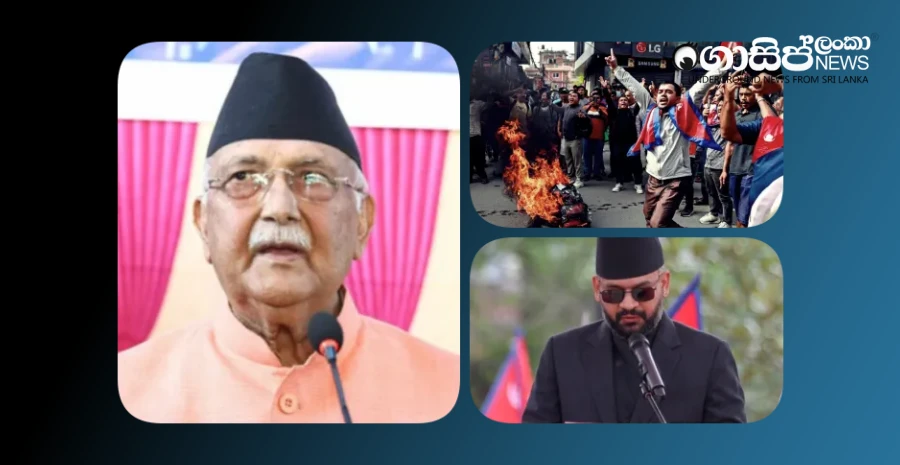
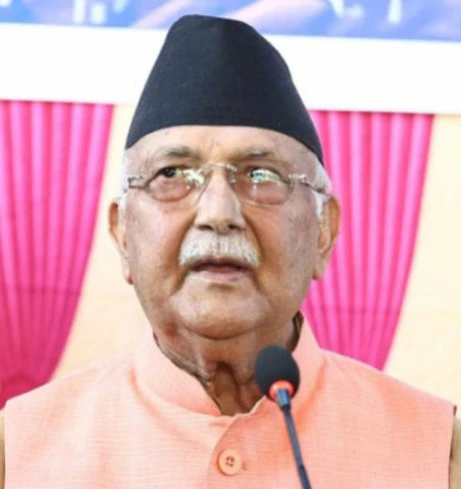
Nepal's former Prime Minister, 74-year-old K.P. Sharma Oli, was arrested by the country's security forces on Saturday, March 28, 2026.
He has been accused in connection with the deaths that occurred during the suppression of anti-corruption protests by the youth generation (Gen Z) that overthrew his government in September 2025. This arrest is particularly noteworthy as it comes exactly one day after Balendra 'Balen' Shah, a popular rapper and politician who won the general election held on March 5 and 6, was sworn in as Nepal's new Prime Minister.A 970-page report recently released by a government inquiry commission headed by Gauri Bahadur Karki accused former Prime Minister Oli, former Home Affairs Minister Ramesh Lekhak, and former Inspector General of Police Chandra Kuber Khapung of criminal negligence in connection with the suppression of protesters. Although there was no direct evidence of orders to shoot, the commission recommended prosecuting them under Articles 181 and 182 of the Nepali Penal Code for failing to take steps to stop the shootings that continued for hours despite receiving intelligence. If these charges are proven, they could face up to 10 years in prison, and the new Home Affairs Minister, Sudan Gurung, called this process the beginning of justice.
Around 5:00 AM on Saturday, a large team from the Nepal Police and the Armed Police Force (APF) raided Oli's residence in Gundu, Bhaktapur, about 12 kilometers east of Kathmandu. Officers, who arrived with a warrant, took Oli to the Kathmandu District Police Office in Bhadrakali and later presented him for a medical examination at Tribhuvan University Teaching Hospital. Earlier, former Home Affairs Minister Ramesh Lekhak was also arrested at his home in Suryabinayak. However, leaders of the CPN-UML party state that their leader voluntarily went to the police to cooperate with the investigations and that this is a political vendetta orchestrated by the new government.
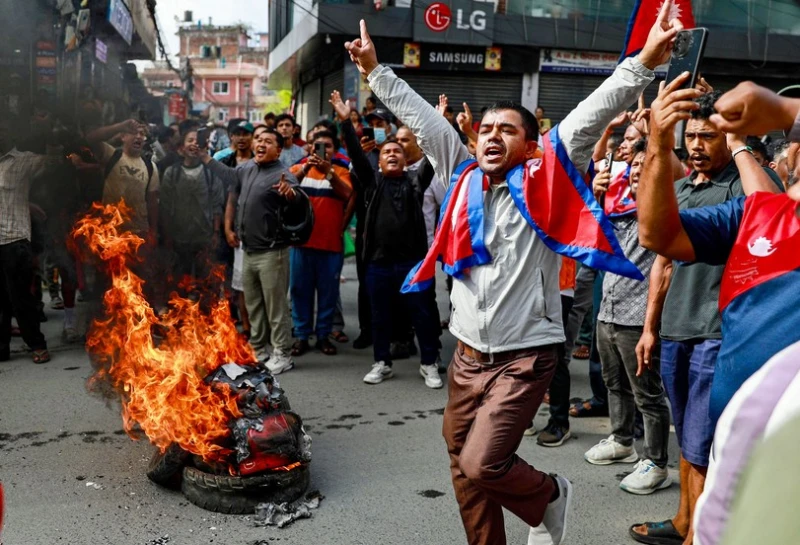
The protests in September 2025, which led to this arrest, erupted with the government's decision to suppress an anti-corruption movement that spread across social media, targeting the families of political elites. When protesters gathered in Naya Baneshwor, Kathmandu, police fired at unarmed young people, with many being shot in the head and chest. These clashes, which lasted two days, resulted in the deaths of approximately 76 or 77 people and injuries to over 2,000 others. Following widespread public outrage over this tragedy, Oli resigned as Prime Minister on September 9, 2025, which also led to the calling of snap general elections in 2026.
This historic arrest has garnered mixed reactions across Nepal. The youth generation and human rights activists, who have been campaigning on social media for months, view this as justice for the deceased protesters and are celebrating the decision enthusiastically. While the new government calls this a step towards ensuring accountability, the CPN-UML party claims it is merely a political ploy and is preparing to take legal action. The international community is also closely monitoring this event, which will go down in history as a rare instance of demanding accountability from state leaders in the South Asian region.