![Gossip Lanka News [English]](https://blogger.googleusercontent.com/img/a/AVvXsEhYm2aFFq-bIW1nWX-RrqnPFoIsVos6_VCVz8BpLt0QJi55GNXHXC2fugeRvL0qUStEuCfs7Sfu6ZiSlhrkldxfGuE_wzy5gitY6rMZ2KSi8VBbGvkgXLks37RwZV-4-HKbWiNLRxB8C_r1e4z3mpxFTMPDJPEADoG8E-bZteWFipeD5KNGbjvCfqEfKw=s300 "Gossip Lanka News [English]")

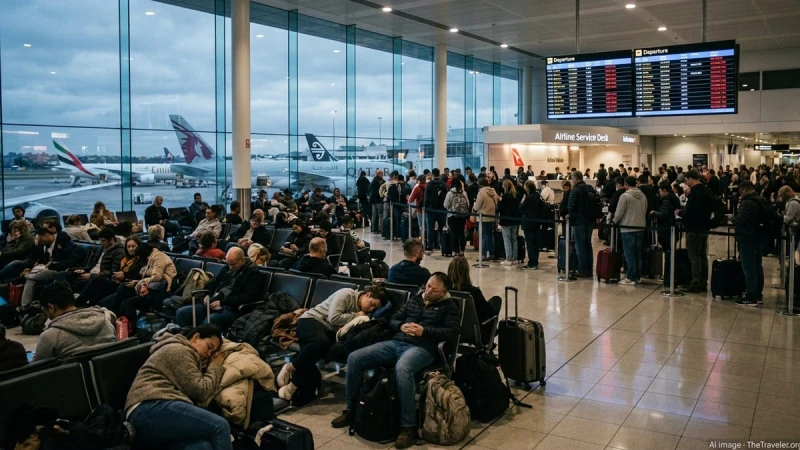
The global aviation industry is facing a severe crisis due to military situations and related attacks in the Middle East region, especially centered around Iran. Since early 2026, American-Israeli attacks, attacks on oil tankers, and airspace closures have caused jet fuel prices to double or even triple.
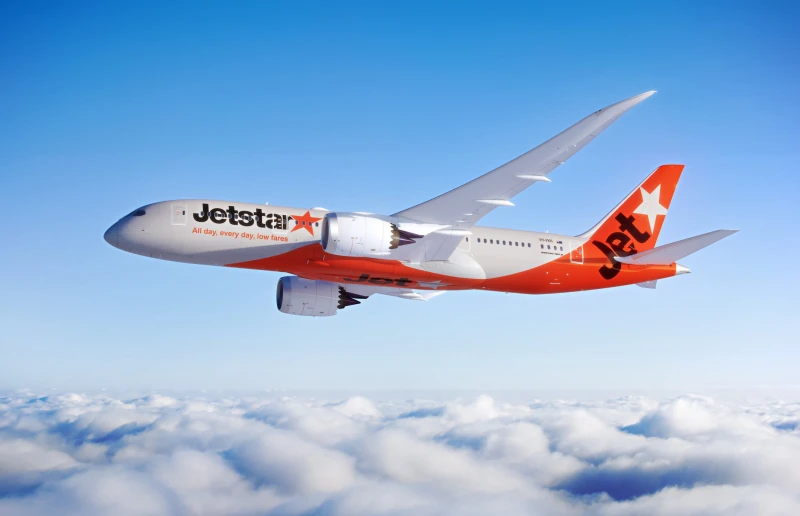
This is the worst crisis the aviation sector has faced since the COVID-19 pandemic, and as a result, major airlines have taken steps to significantly cut the number of flights between Australia and New Zealand, as well as domestic flights within those countries.In light of this situation, Jetstar has canceled approximately 12% of its flights planned for May 2026. Routes operating between Australia and New Zealand, such as Auckland-Sydney and Auckland-Brisbane, as well as New Zealand domestic flights like Auckland-Christchurch and Auckland-Wellington, have been affected by these cuts. A Jetstar spokesperson stated that these temporary schedule changes were made due to rising fuel prices and other increasing costs caused by the Middle East conflicts, and apologized for the inconvenience caused to customers, adding that many affected passengers have been offered alternatives for other flights on the same day. Reduced passenger demand due to increased airfares has also been a contributing factor to these flight reductions.
Meanwhile, Air New Zealand also announced on March 12 that they would cut 5% of their flight capacity, approximately 1,100 flights, until early May. This will affect about 44,000 passengers out of 1.9 million, impacting regional routes in New Zealand such as Marlborough and New Plymouth, as well as Trans-Tasman (Australia-New Zealand) flights. However, long-haul routes like those to America are not significantly affected. Air New Zealand CEO Nikhil Ravishankar explained that the unprecedented volatility in jet fuel prices necessitated the reduction of domestic and Trans-Tasman flight frequencies.
This situation has also had a significant global impact. Due to fuel prices and supply difficulties, Vietnam Airlines has canceled nearly twenty-four of its domestic flights per week, while airlines in Myanmar, Thailand (Thai Airways), and Scandinavia (SAS) have also implemented flight reductions and fare increases. However, Jetstar's parent company, Qantas, has not cut any flights, with CEO Vanessa Hudson stating that they have secure fuel reserves for the next month. Nevertheless, they have increased international airfares by approximately 5%, and other airlines like Virgin Australia have also raised fares by 5% to 15%.
Economic analysts point out that this crisis could severely impact the tourism industry between Australia and New Zealand. Australia is heavily reliant on imported jet fuel, and Sydney Airport reportedly has only 25-30 days' worth of fuel reserves. Meanwhile, the Australian Competition and Consumer Commission (ACCC) is closely monitoring airfare increases. In light of this uncertain situation, air passengers are advised to check their airline apps or emails for flight changes and to consider full-service airlines if low-cost carriers have reduced their flight frequencies.