
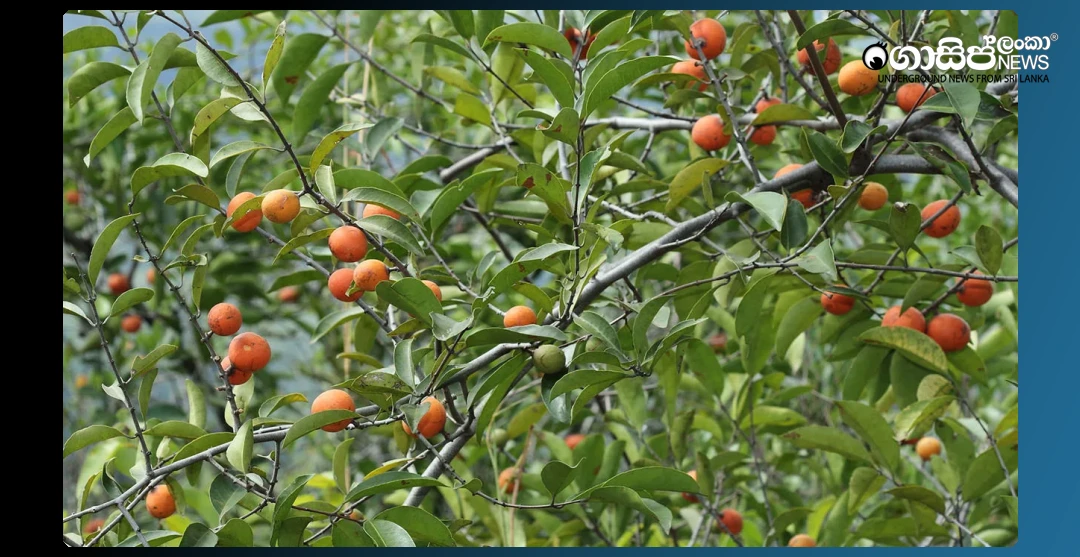
Drinking water kept overnight in a cup made of Kothala Himbutu wood on an empty stomach the next morning is a common practice in ancient Sinhala medicine. This vine species, named Kothala Himbutu, which grows naturally in the dry and wet zone forests of Sri Lanka as well as Southern India, has been a powerful remedy used in Ayurveda for controlling Madhumeha, or diabetes, since ancient times.
Currently, this indigenous plant has gained worldwide recognition as a primary medicine for diabetic patients.The roots, stem, and bark of this plant are used to control diabetes, and it also has a modern scientific basis. The active chemical compounds in Kothala Himbutu inhibit an enzyme in the intestine. As a result, the rate at which complex carbohydrates, or sugars and starches, taken through food are converted into glucose is slowed down, preventing a sudden spike in blood sugar levels after meals. Researchers have pointed out that this mechanism is similar to how Western medicines operate.
Recent clinical trials have also confirmed these properties. According to a study conducted in Sri Lanka in 2023, consuming a biscuit containing Kothala Himbutu extract as a snack reduced the HbA1c percentage, an indicator of blood sugar levels. Furthermore, it was concluded that it can be safely recommended as it does not cause serious harm to kidney or liver function. Older local studies have also confirmed that drinking Kothala Himbutu as a tea significantly reduces fasting blood sugar levels and, in some cases, helped reduce the dosage of diabetes medication.
In addition to controlling blood sugar, this is an excellent solution for those seeking to reduce obesity, as it burns unwanted body fat and balances appetite. It also helps minimize the absorption of harmful cholesterol into the body by the intestines and improves insulin sensitivity and fat cell function. According to Ayurveda, it is also used for rheumatic joint inflammation, skin diseases, bladder diseases, and detoxification of the body. Currently, in addition to boiled decoctions or teas, it is also available in the market as medicinal beverages and Ayurvedic capsules.
However, extreme caution is essential when using this medicine. If patients already taking Western medicines for diabetes, such as insulin or Metformin, also take Kothala Himbutu, their blood sugar levels may drop abnormally low, leading to dangerous conditions like fainting. Sri Lankan studies have also identified that such conditions can arise due to local foods and medicines. Additionally, mild gastrointestinal side effects such as gas, bloating, diarrhea, abdominal pain, and nausea may occur.
Most human studies have been limited to a period of three to six months, so data on its long-term safety is limited. Although animal studies did not show severe toxicity even at high doses, research using mice reported low birth weight and pregnancy-related complications, so pregnant and breastfeeding mothers should avoid using it. Also, patients undergoing surgery should stop using Kothala Himbutu two weeks before the surgery, as it may interfere with blood sugar control. Patients with kidney disease and those taking various medications must also seek medical advice before using it.
Kothala Himbutu is an extremely important plant among Sri Lanka's biodiversity, and it is currently highly endangered. For this reason, natural vines should be avoided from being uprooted from forests, and the cutting and export of this plant within Sri Lanka are also regulated. Although Kothala Himbutu is a successful traditional remedy for diabetes control, it should never be used as a substitute for complete medical treatment, and it is best used under medical advice and proper blood monitoring.
(Ayurvedic Physician L.M. Colombage)