Breaking the political balance of power in Israel, Prime Minister Benjamin Netanyahu's coalition lost its parliamentary majority in the general election held on October 27, 2026. This was Israel's first general election since the Hamas attack on October 7, 2023, and the subsequent war in the Gaza Strip, with voter turnout reaching a high level of between 77.9 and 78 percent, marking the highest turnout recorded in decades.
After counting nearly 5.72 million total votes cast, Netanyahu's bloc was limited to 53 seats in the 120-seat Knesset parliament, while anti-Netanyahu groups together secured a combined majority of 67 seats.Although Netanyahu's Likud party became the single largest party in parliament by winning 27 seats, his coalition only secured 53 seats, with Otzma Yehudit winning 7 seats, United Torah Judaism 7 seats, Shas 6 seats, and the Religious Zionist Party 6 seats. This is a massive setback compared to the previous coalition of approximately 68 seats, and they are 8 seats short of reaching the 61-seat threshold required to form a government. On the other hand, the Zionist opposition force led by former army chief Gadi Eisenkot has secured 48 seats, and Arab-led parties have won a record 19 seats.
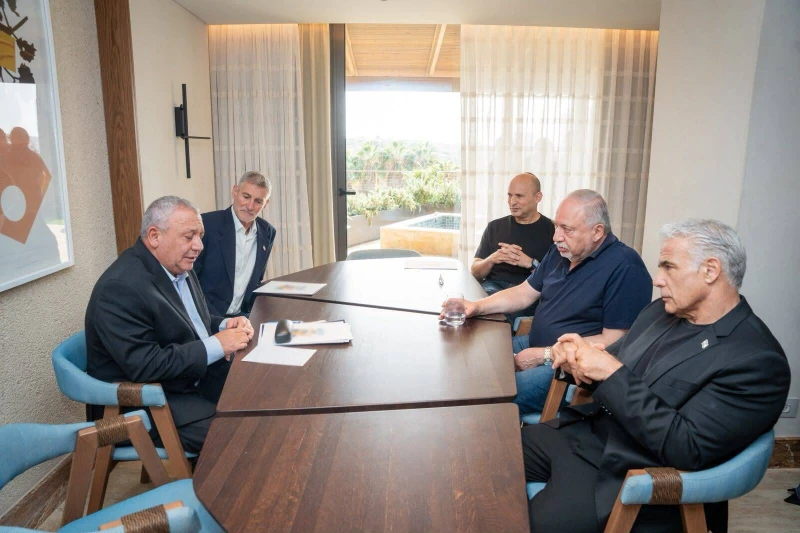
In the wake of these election results, where neither of the two main blocs could independently cross the 61-seat threshold, leading Jewish opposition party leaders held their first joint discussion on Tuesday, November 3, in Herzliya, north of Tel Aviv. Gadi Eisenkot of the Yashar party, Naftali Bennett of the Together/Bayahad party, Avigdor Liberman of the Yisrael Beiteinu party, Yair Golan of The Democrats party, and Yair Lapid of the Yesh Atid party participated. All parties unanimously decided to recommend Eisenkot's name to President Isaac Herzog for forming a new government. Opposition leaders promised to immediately form a "national emergency government" using the "clear majority" in parliament instead of the "October 7 government." During the discussion, Bennett emphasized that they had no time and needed to act with extreme urgency. Lapid accused Netanyahu of trying to suppress the election results.
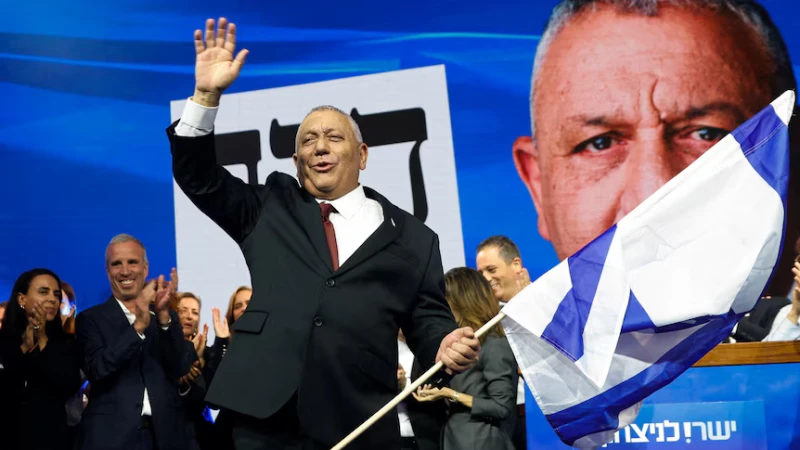
Gadi Eisenkot, who received unanimous opposition support to lead the new government, was born on May 19, 1960, in Tiberias. Coming from a Moroccan immigrant background, he would become Israel's first Mizrahi Prime Minister if this attempt succeeds. He served as the Chief of Staff of the Israel Defense Forces from 2015 to 2019 and entered politics through Benny Gantz's National Unity party. Eisenkot, who served in the war cabinet formed after the October 7 attack, resigned in 2024, criticizing Netanyahu's leadership and the lack of a post-war Gaza plan. His son and nephews died in military operations in the Gaza Strip, and he founded the centrist Yashar ("Straight/Just") party in September 2025. His election campaign's main themes were ensuring security, accountability for October 7, reversing judicial reforms, and ending Netanyahu's long period in power.
However, it is clear that transforming the 67-seat anti-Netanyahu bloc into a stable government will not be easy due to the deep ideological divisions within the opposition alliance. Opposition leaders agreed to uphold four principles put forward by Eisenkot: recognizing Israel as a Jewish and democratic state, commitment to freedom of expression, mandatory military or national service, and considering Hamas a terrorist group that must be destroyed. These conditions pose a risk of excluding some Arab-led parties. While Yair Golan is more open to cooperation with Arab parties, Liberman and other leaders strongly oppose relying entirely on them. On the other hand, the Arab parties, the Joint List, which won 11 seats, and Ra'am, which won 8 seats, especially Ra'am, have expressed willingness to support any government that excludes Netanyahu.
The official election results were submitted to President Isaac Herzog around November 4, and on November 4 and 5, he began discussions with party leaders to grant the first opportunity to form a government to the candidate with the highest chance of success. The candidate chosen by the President will have 28 days to form a coalition, which can be extended by another 14 days. Eisenkot will receive strong support from the 48-seat Zionist opposition, comprising 21 seats from the Yashar party, 12 from Bennett, 8 from Golan, and 7 from Liberman, and the number of recommendations he receives will further increase with the support of Arab parties.
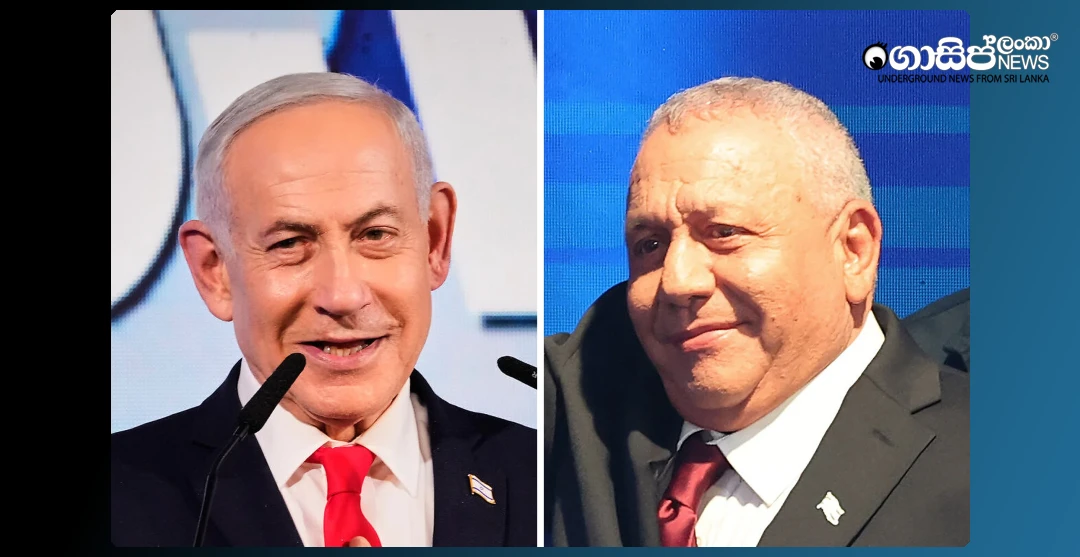
Meanwhile, 77-year-old Netanyahu continues to serve as caretaker Prime Minister until a new government is formed. As Israel's longest-serving Prime Minister, he faces corruption trials and an arrest warrant issued by the International Criminal Court (ICC) in connection with the Gaza war. Claiming that the Jewish people have chosen him as the leader of the largest party, Netanyahu has called for forming a broad "Jewish" national government under his leadership, excluding Arab parties, whom he labels as supporters of terrorism. However, his bloc has no clear path to reach the 61-seat threshold without making major concessions or breaking away members from the opposition.
Several outcomes may emerge in the upcoming political landscape. One is Eisenkot forming a minority or confidence-and-supply government relying on external support from Arab parties; however, this has been debated by a majority within his camp. Attempts to win over ultra-Orthodox or other members to his side, or forming a national unity government, which is highly unlikely due to election promises not to serve with Netanyahu, are other alternatives. If a government cannot be formed and the crisis prolongs, Netanyahu's preferred path is another election.
Even if the process of forming a new government stalls, the 67-seat anti-Netanyahu majority in parliament still has the ability to control parliamentary proceedings in matters such as electing a speaker, reversing certain laws from the Netanyahu era, and pushing for the appointment of a state inquiry commission into the October 7 attack. Forming a stable alternative government has been challenging due to deep ideological divisions concerning Arab participation, Haredi military service exemptions, and defense policies. Discussions are expected to be protracted, and if no one can form a government, there is a risk of facing another election in 2027. The new parliament is scheduled to be sworn in around November 10.