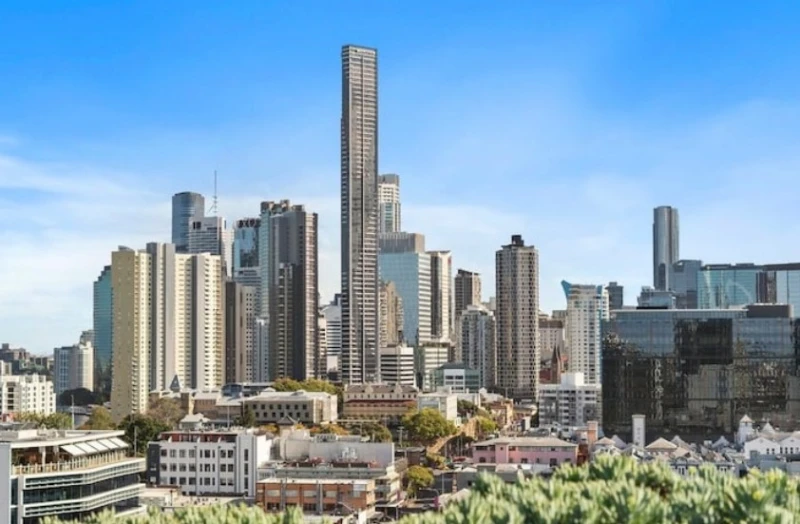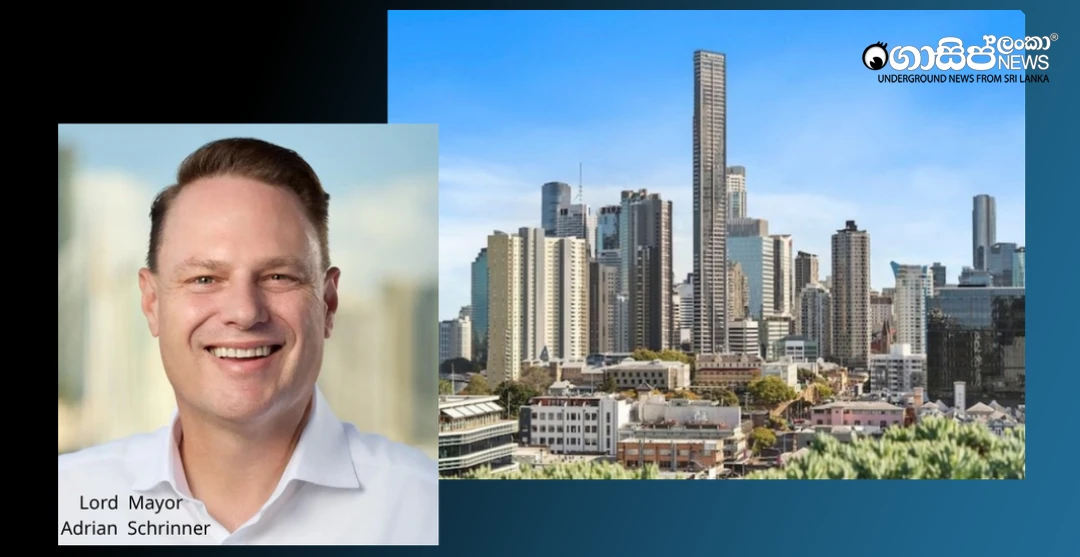
Instead of the city expanding horizontally and encroaching on rural land, the Brisbane City Council in Australia has unveiled a unique draft plan for the Fortitude Valley area, prioritizing the “tall over sprawl” strategy of constructing tall buildings that extend vertically towards the sky. This proposal, which allows the current maximum limit of approximately 30 storeys to be raised to 40 storeys, aims to add thousands of homes while also preserving the live music and nightlife unique to the area.
Commenting on this Fortitude Valley sustainable growth zone plan, unveiled around November 10, 2026, Brisbane Lord Mayor Adrian Schrinner pointed out that it is more practical to create opportunities for thousands of homes in an inner-city area already rich in transport, shops, and entertainment facilities, rather than expanding the city into outer greenfield sites that would require new infrastructure and tree felling. This density growth has been proposed as a solution to the severe housing supply pressure, given Brisbane's median house value at or above the million-dollar mark, a population growth of approximately 2%, a tight vacancy rate of 0.9% to 1%, and annual rent increases of about 6%.
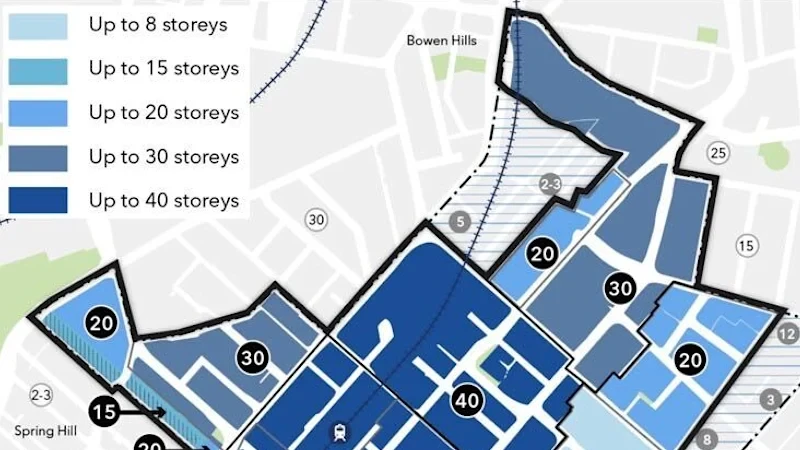
According to the proposed plan, the 40-storey limit will only apply to eligible sites within the “Valley Heart” area, located between St Pauls Terrace and Brookes Street, along Ann Street, and around Cathedral Place. To achieve this maximum, the land area must be at least 3,000 square meters, and the street frontage must be 20 meters or more. For plots between 2,000 and 3,000 square meters, a limit of approximately 25 storeys will be imposed, while limits for smaller plots will be significantly lower. City planners state that this 40-storey maximum limit was determined based on advice from the Civil Aviation Safety Authority (CASA), taking into account flight paths. Towards the edges of the zone, building heights will gradually decrease to 30 storeys or lower.
In this area, which has the highest concentration of walkable live music venues, strict noise control standards and methods such as double glazing have been made mandatory to foster coexistence between new residents and music venues. Mandatory parking facilities have been removed to encourage walking and public transport, and connections with the Cross River Rail Exhibition station, the proposed Gold CityGlider service, and the 2032 Olympic and Paralympic Games venues will be further strengthened. With over 11,500 residents and nearly 28,000 workers already in this zone, the revision of its regulations marks the biggest change since the 2010 neighbourhood plan.
However, this tall building concept is not without criticism. Jared Cassidy, the Labor Party opposition leader in the City Council, points out that merely increasing building heights is not a magic solution to the housing crisis, and that affordable housing targets must be mandatorily included. He notes that while the Mayor previously supported such targets, he is now opposing their inclusion in the current zone plans.
Furthermore, urban expert Professor Brian Roberts refers to this approach as “tombstone architecture,” arguing that a 40-storey height is not suitable for the scale of Brisbane and that tall buildings could exacerbate social problems such as isolation. Elizabeth Handley of Brisbane Residents United warns that such changes could harm the city's existing creative identity and calls for a focus on social housing instead of tall towers.
Amidst this debate, Queensland Night Economy Commissioner John Collins has stated that while the arrival of new residents is positive, those moving into the area must accept its lively and noisy nature.
This draft is just one more step in a series of broader density growth plans being implemented by the Schrinner administration. Amendments to raise height limits around major centres such as Indooroopilly, Westfield Carindale, and Nundah are set to come into effect from December 11, 2026. Additionally, the Queensland Government has separately proposed raising height limits from 30 to 50 storeys in the Bowen Hills area, near the 2032 Athletes' Village.
Public consultation on this new draft plan, introduced against a backdrop of many apartment projects in the city being delayed or suspended due to rising construction costs and labour shortages, will take place from November 13 to December 18, 2026. Official documents and maps are open to the public via the Brisbane City Council website, and following public feedback, the final plan is expected to be adopted and incorporated into the city plan in 2027.