![Gossip Lanka News [English]](https://blogger.googleusercontent.com/img/a/AVvXsEhYm2aFFq-bIW1nWX-RrqnPFoIsVos6_VCVz8BpLt0QJi55GNXHXC2fugeRvL0qUStEuCfs7Sfu6ZiSlhrkldxfGuE_wzy5gitY6rMZ2KSi8VBbGvkgXLks37RwZV-4-HKbWiNLRxB8C_r1e4z3mpxFTMPDJPEADoG8E-bZteWFipeD5KNGbjvCfqEfKw=s300 "Gossip Lanka News [English]")
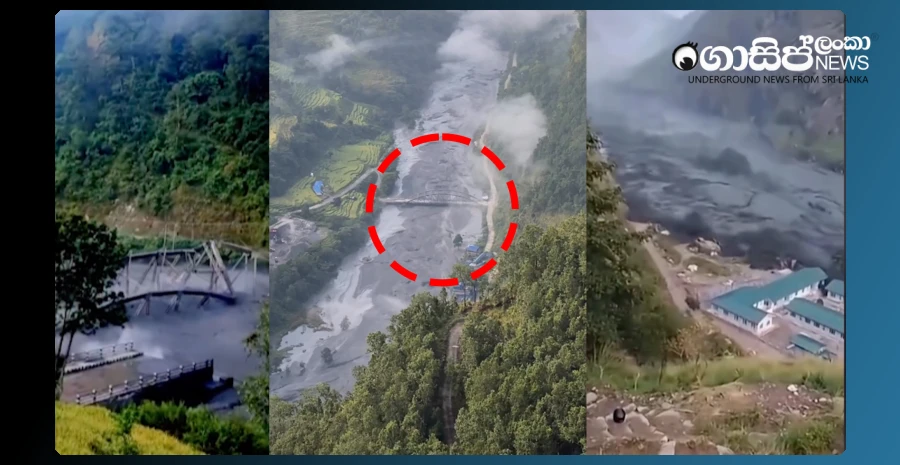
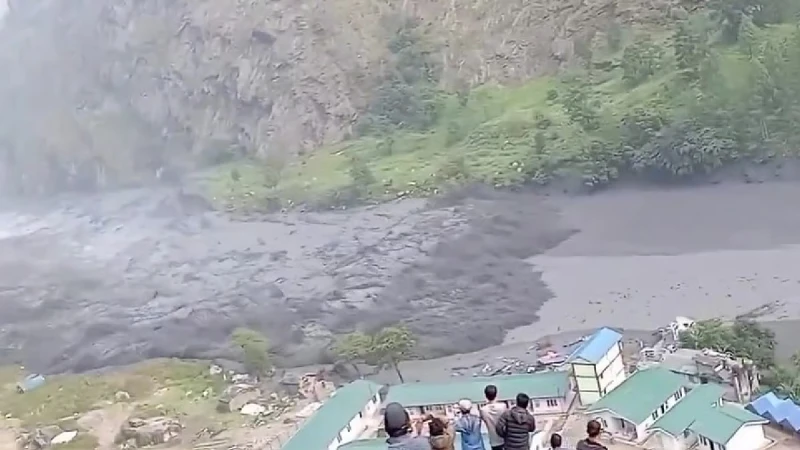
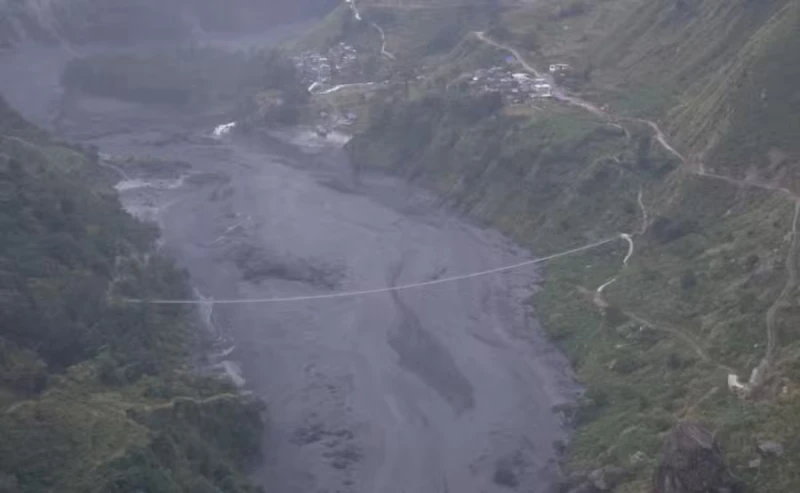
Around 4:00 AM on Sunday, October 11, 2026, villagers in Nepal's Gorkha district were forced to abandon their homes and flee to higher ground in the dark due to a sudden flood in the Budhi Gandaki River. This emergency situation was caused by a landslide, which occurred without any prior rainfall, blocking the river and creating a temporary dam. This dam subsequently broke, releasing a massive torrent of water, mud, and rocks downstream.
The most tragic aspect of this disaster is that it occurred approximately 46 days after the Bhote Koshi and Trishuli tragedies on August 26, which severely impacted Nepal, claiming the lives of over 1,450 people.
Although no deaths or serious injuries have been officially reported due to this latest flood, there are reports of several missing persons. According to the latest reports from The Himalayan Times, five people, including two women and three men from a sheep pen in the Ungilung area of Chumnubri, are among the missing. Earlier reports indicated that four shepherds and about 15 yaks were swept away by the floodwaters. Some reports also suggest that a total of about 10 people are missing.
Residents observed the river's flow intermittently stopping and restarting, after which the main body of water, laden with mud and silt, surged downstream. By around 7:30 AM, this torrent had reached lower areas like Soti.
This torrent completely swept away about 35 houses in the villages of Painyu and Bagar in Chumnubri. Additionally, severe damage has occurred in the areas of Jagat, Salleri, Dhoban, and Ghattekola, with another 20 to 22 houses at high risk. It has been confirmed that the house of Mr. Ram Bahadur Gurung, a resident of Sardibas, was also completely washed away by the water.
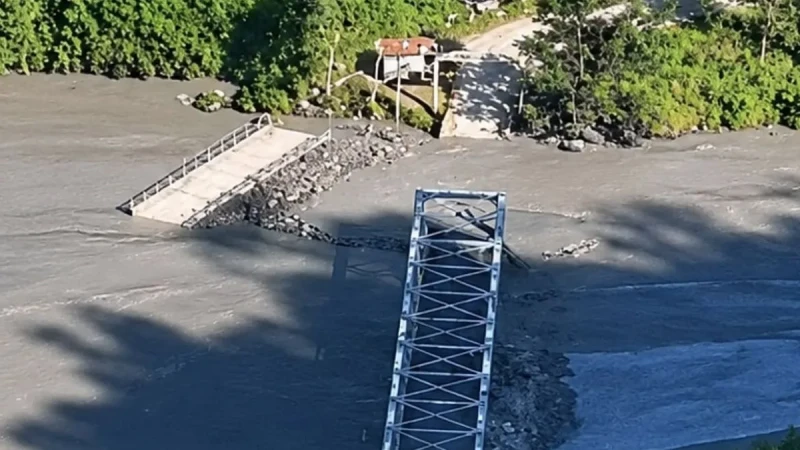
The damage to infrastructure is immense. More than six major bridges, including a section of the Nayapul highway bridge connecting Gorkha and Dhading, have been destroyed or severely damaged. Furthermore, the camp and equipment of the 341 MW Budhi Gandaki Hydropower Project, currently under construction in the Salleri area, have also been severely damaged by the flood. However, about 18 employees working there managed to escape to safety before the disaster. The destruction of electricity poles and telephone towers has also led to a complete breakdown of power supply in the affected areas.
The tourism industry has also been severely affected, with approximately 211 foreign tourists stranded on lower trails, as reported by the Manaslu Conservation Area Project. However, higher mountain trails such as Namrung, Lho, and Samagaun have not been impacted.
Upon learning of the incident, Nepali Prime Minister Balendra Shah took steps to deploy the Nepali Army for search and rescue operations. Accordingly, military helicopters safely rescued between 36 and 47 people, including a small child and a foreigner who were at risk.
Minister of Home Affairs Sudan Gurung has warned people living near the river to immediately move to higher ground. As the river's water level continues to fluctuate, the National Disaster Risk Reduction and Management Authority has issued severe risk warnings for lower areas along the Trishuli River, such as Benighat and Mugling. Hundreds of security personnel have been deployed for rescue operations, and a three-person investigation team comprising drone operators and geologists has also been dispatched to the affected area.
For the people of Nepal, who experienced billions in economic losses and massive loss of life from the major disaster in August, this latest natural calamity, faced even before they could recover, has further plunged their lives into uncertainty. Authorities indicate that it will take a long time to rebuild the destroyed infrastructure and restore normal life in the difficult mountainous villages.