![Gossip Lanka News [English]](https://blogger.googleusercontent.com/img/a/AVvXsEhYm2aFFq-bIW1nWX-RrqnPFoIsVos6_VCVz8BpLt0QJi55GNXHXC2fugeRvL0qUStEuCfs7Sfu6ZiSlhrkldxfGuE_wzy5gitY6rMZ2KSi8VBbGvkgXLks37RwZV-4-HKbWiNLRxB8C_r1e4z3mpxFTMPDJPEADoG8E-bZteWFipeD5KNGbjvCfqEfKw=s300 "Gossip Lanka News [English]")
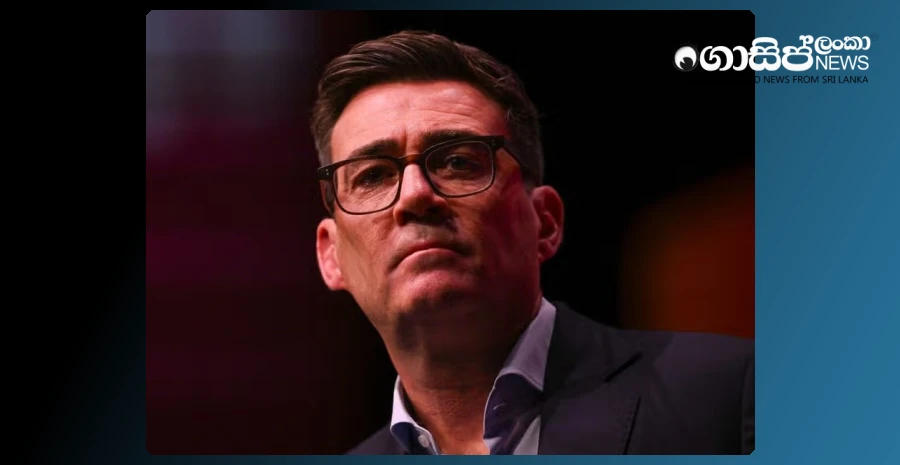
British Prime Minister Andy Burnham recently unveiled controversial plans to reform the country's state pension system, as well as options for building a new long-term relationship with the European Union (EU). He made these remarks while delivering his maiden speech as leader at the annual Labour Party conference in Liverpool, where he also emphasized that the Brexit process has caused more harm than good.
Burnham, who succeeded Keir Starmer as leader in July, received a warm welcome when he arrived at the conference with his wife, Marie-France van Heel.A key proposal from the Prime Minister was to end the current state pension "triple lock" system from 2030. Under the current system, pensions increase each year based on the highest of three factors: average earnings growth, inflation, or 2.5 percent. However, from April 2030, it is planned to change to a "double lock" system, under which pensions will only increase based on inflation or 2.5 percent, whichever is higher.
This will remove the link between pensions and earnings growth, making it less generous than the previous system. However, Burnham assured that over time, pensioners' incomes would remain secure relative to national prosperity. The government aims to use the money saved from these pension cuts to build a new "national care service." The Labour Party plans to introduce this service if they win the 2029 election, aiming to provide free, person-centered, high-quality care in homes.
The Prime Minister stated that this was a historic step, similar to the establishment of the National Health Service (NHS) in 1948. However, Sharon Graham, General Secretary of the Unite trade union, criticized the proposal, stating that it was wrong to take money from pensioners before taking it from the super-rich. Previous governments had also considered changing the "triple lock" but backed down in the face of political opposition.
In addition to domestic policies, Burnham also commented on Britain's future relationship with the European Union in his speech. He stated that Britain had faced nearly a decade of low economic growth due to the decision to leave the EU in 2016, which had weakened the country. He challenged claims that Brexit had given more power to control immigration, arguing that the loss of cooperation from European partners had actually weakened that control. While Britain officially left the EU in 2020 and he did not directly propose rejoining the bloc, he strongly emphasized the need to determine a long-term relationship with Britain's largest market.