![Gossip Lanka News [English]](https://blogger.googleusercontent.com/img/a/AVvXsEhYm2aFFq-bIW1nWX-RrqnPFoIsVos6_VCVz8BpLt0QJi55GNXHXC2fugeRvL0qUStEuCfs7Sfu6ZiSlhrkldxfGuE_wzy5gitY6rMZ2KSi8VBbGvkgXLks37RwZV-4-HKbWiNLRxB8C_r1e4z3mpxFTMPDJPEADoG8E-bZteWFipeD5KNGbjvCfqEfKw=s300 "Gossip Lanka News [English]")
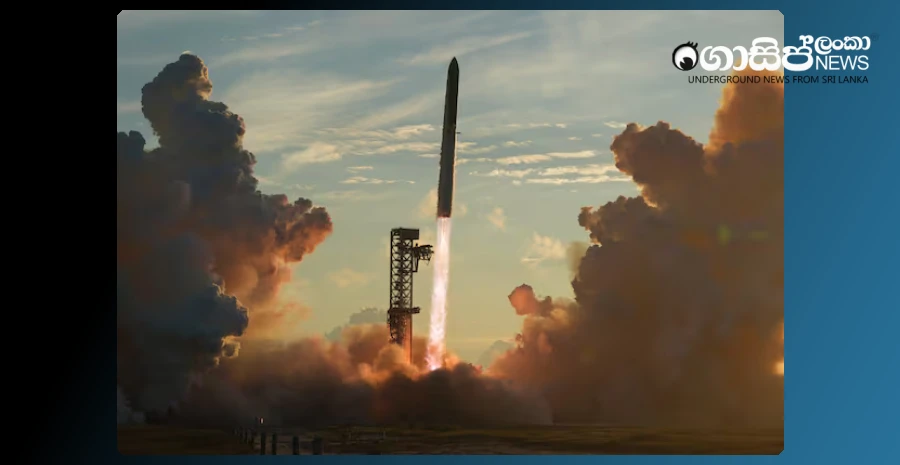
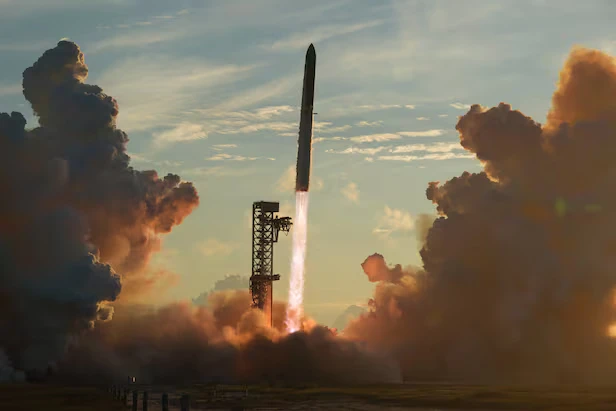
SpaceX, an American aerospace company led by Elon Musk, has successfully launched its massive spacecraft, 'Starship,' into Earth's orbit for the first time. It is noteworthy that despite the malfunction of several engines, it did not lead to the overall failure of the mission.
According to Reuters and Bloomberg news services on September 28, this test flight began at 7:49 AM local time from the 'Starbase' launch site in Texas, USA. As the vehicle lifted off, one of its six 'Raptor' engines shut down earlier than planned, leading to speculation during the live broadcast that orbital insertion might fail.
However, SpaceX engineers immediately analyzed the flight data and confirmed that the main engines required for orbital insertion could be restarted. Accordingly, the Starship spacecraft continued its planned flight procedures and successfully entered Earth's orbit.
During this mission, SpaceX orbited 26 next-generation 'Starlink V3' satellites. The company later announced that all the satellites it launched were in good condition and operating very smoothly.
Entering orbit is considered a major milestone in the rocket development process. Although 13 flights have been conducted since the first test flight in 2023, all of them were limited to suborbital trajectories for safety reasons.
This flight went beyond mere technical verification and was conducted with the aim of generating future revenue. These 'V3' satellites possess more than ten times the communication capacity of the existing 'V2' satellites. Accordingly, orbiting V3 satellites will expand the satellite network, significantly increasing the revenue of SpaceX's communication business.
SpaceX plans to use the Starship spacecraft to more efficiently orbit Starlink satellites. Furthermore, their future goal is to continuously conduct crewed exploration missions to the Moon, Mars, and beyond.