![Gossip Lanka News [English]](https://blogger.googleusercontent.com/img/a/AVvXsEhYm2aFFq-bIW1nWX-RrqnPFoIsVos6_VCVz8BpLt0QJi55GNXHXC2fugeRvL0qUStEuCfs7Sfu6ZiSlhrkldxfGuE_wzy5gitY6rMZ2KSi8VBbGvkgXLks37RwZV-4-HKbWiNLRxB8C_r1e4z3mpxFTMPDJPEADoG8E-bZteWFipeD5KNGbjvCfqEfKw=s300 "Gossip Lanka News [English]")
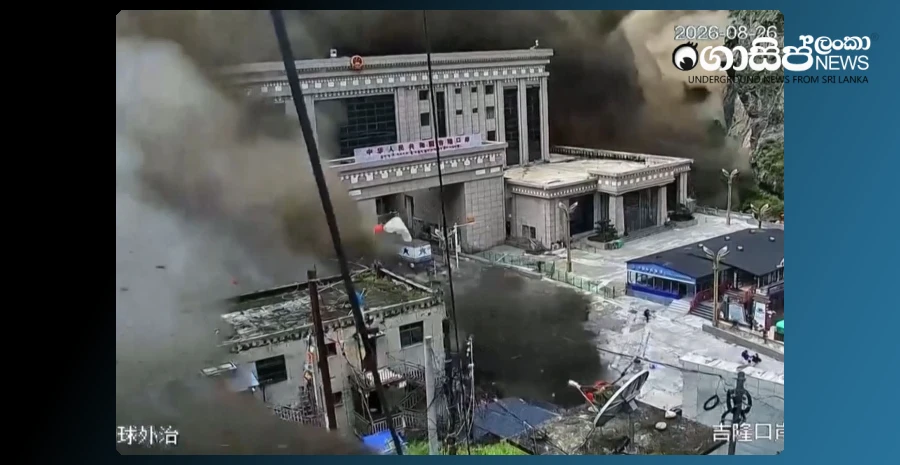
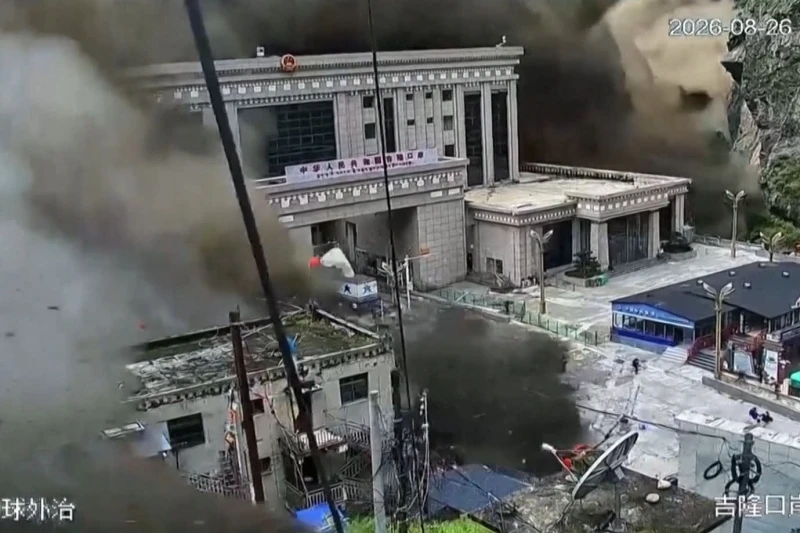
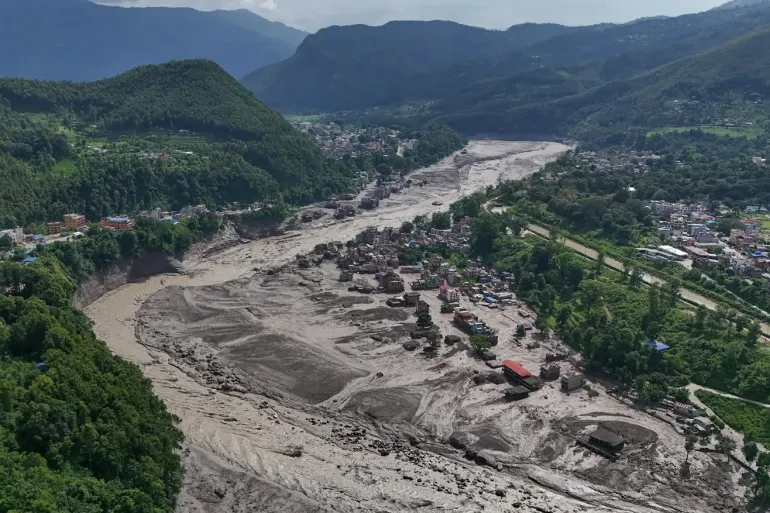
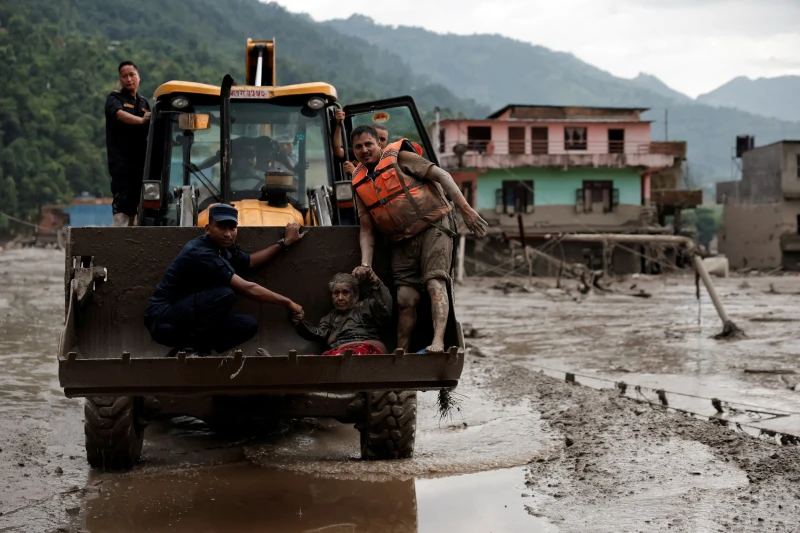
On the morning of August 26, 2026, massive flash floods and avalanches along the Bhote Koshi and Trishuli river systems, connecting Nepal's Rasuwa District and the Tibetan border, caused widespread destruction. By the morning of August 27, the Nepal Police had recovered 157 bodies, while China reported three deaths and 265 missing persons on the Tibetan side.
Authorities fear the death toll could rise further as search operations for the victims are still ongoing.The disaster occurred between 8:30 AM and 9:00 AM local time in the settlements of Rasuwagadhi, Timure, and Syaphrubesi, which are key entry points for the Langtang trekking route and the Kailash Manasarovar pilgrimage. There were no reports of heavy rainfall in the area at the time of the incident, and it has been identified as a natural disaster caused by a sudden collapse of a snow mass.
Although initially believed to be caused by an earthquake, the U.S. Geological Survey later confirmed that the tremors, ranging from 4.4 to 5.2 on the Richter scale, were generated by the collapse of this massive snow and rock layer. A huge section of snow, approximately 2,000 feet wide, collapsed near the Langtang Lirung mountain range, blocking the Lende Khola river. The subsequent breach of this temporary dam released a torrent of mud, snow, water, and rocks downstream, causing the destruction. Scientists point out that the instability of Himalayan snow mountains due to rising temperatures contributes to such snow tsunami conditions.
According to the Nepal Tourism Board, between 384 and 403 tourists and pilgrims are missing, including 291-341 foreigners from over 20 countries and 62-93 Nepalese nationals. Among the missing are 105-142 pilgrims from India, 47-54 American nationals, and residents from Britain, Australia, Canada, Malaysia, and several other countries. Local pilgrims heading to Gosainkunda Lake for the Janai Purnima festival, hydropower project workers, customs, and border police officers are also among them.
The massive torrent destroyed buildings, vehicles, shops along the riverbanks, as well as 19 bridges, including the Kathmandu-Rasuwagadhi highway and the Friendship Bridge, and nearly 40 kilometers of road infrastructure. A 430-megawatt power system, accounting for nearly 12 percent of Nepal's total hydropower generation, has been damaged, disrupting operations at hydropower plants such as Rasuwagadhi, Sanjen Khola, and Upper Trishuli 3A. Due to the impact of the disaster, the downstream Indian states of Bihar and Uttar Pradesh have also issued high alerts.
Nepalese Prime Minister Balendra Shah convened an emergency meeting and organized relief services, deploying the Nepal Army, police, and over 12 helicopters for rescue operations. China has also sent relief teams to the Gyirong Port area, and President Xi Jinping issued a special statement instructing to expedite all search efforts. India has taken steps to airlift 10 tons of emergency aid, and the International Red Cross has allocated over $1.2 million in emergency provisions. Authorities advise residents in the lower river valleys to remain vigilant.