![Gossip Lanka News [English]](https://blogger.googleusercontent.com/img/a/AVvXsEhYm2aFFq-bIW1nWX-RrqnPFoIsVos6_VCVz8BpLt0QJi55GNXHXC2fugeRvL0qUStEuCfs7Sfu6ZiSlhrkldxfGuE_wzy5gitY6rMZ2KSi8VBbGvkgXLks37RwZV-4-HKbWiNLRxB8C_r1e4z3mpxFTMPDJPEADoG8E-bZteWFipeD5KNGbjvCfqEfKw=s300 "Gossip Lanka News [English]")
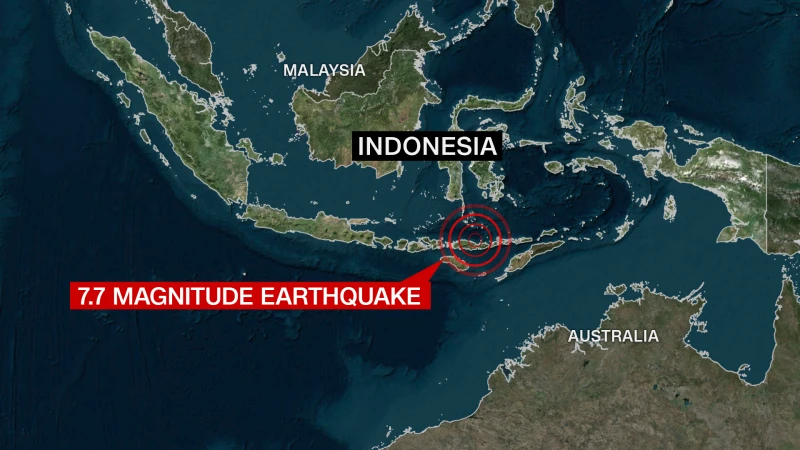
A powerful earthquake with a magnitude of 7.7 on the Richter scale occurred in the sea north of Flores Island, part of the East Nusa Tenggara province in eastern Indonesia, at approximately 5:58 AM local time (August 14 UTC 21:58) on Saturday, August 15, 2026.
The epicenter of this earthquake was located in the sea approximately 68 kilometers (42 miles) north-northwest of Ende, at a shallow depth of about 10 kilometers according to the United States Geological Survey (USGS) and 15 kilometers according to the Indonesian Agency for Meteorology, Climatology, and Geophysics (BMKG). This sudden tremor caused severe ground shaking for about a minute in several nearby areas including Nagekeo, Sikka (including Maumere), Manggarai, as well as West Nusa Tenggara and South Sulawesi.Following this powerful underwater earthquake, the Indonesian BMKG immediately issued a tsunami warning for the regions of East Nusa Tenggara, West Nusa Tenggara, South Sulawesi, and Southeast Sulawesi. Authorities advised coastal residents to move away from coastlines and riverbanks to higher ground or inland, and thousands of panicked people fled to safe areas. In some areas, people observed the sea water receding, a precursor to tsunami waves. However, due to no significant hazardous changes in sea level, the tsunami warning was lifted after about three hours, and small tsunami waves less than 1 meter were reported in some areas. The Australian Tsunami Centre also confirmed that this event posed no threat to the Australian mainland or its territories.
After this powerful earthquake, aftershocks and landslides severely disrupted daily life and relief efforts in the region. Major roads leading to difficult-to-access areas like Nagekeo were blocked by landslides, hindering the movement of relief workers. Several aftershocks ranging from magnitude 5.5 to 5.9 were reported across the region, including a major aftershock of magnitude 6.1. Additionally, power outages in many areas complicated communication and disaster relief operations.
Reports of fatalities and injuries from the earthquake are being released by various sources, and these statistics are being confirmed. Search and rescue officials in Maumere (Sikka) stated that approximately 20 people died and 6 were injured due to landslides and collapses near the port. Several others are also reported to be trapped under debris. East Nusa Tenggara Provincial Governor Emanuel Melkiades Laka Lena stated that at least five people died when buildings collapsed while they were sleeping, with two reported in Sikka and three in Manggarai. However, the National Disaster Management Agency (BNPB) initially reported a minimal number of fatalities while gathering information.
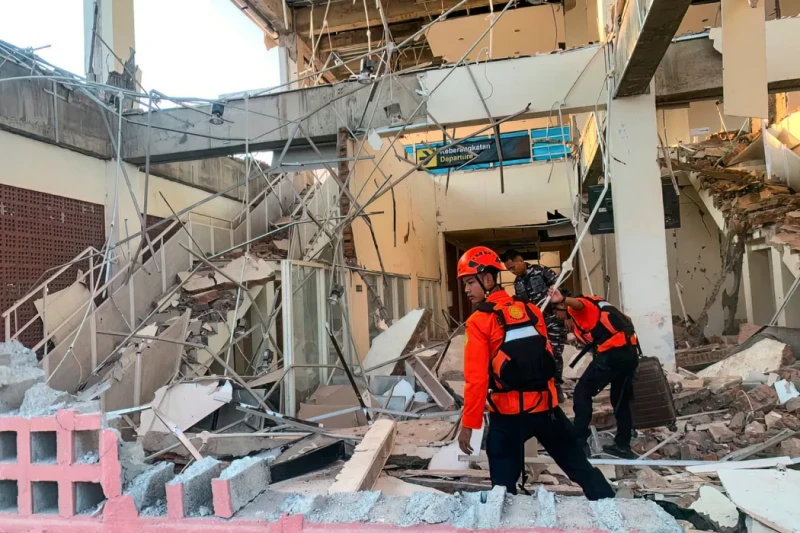
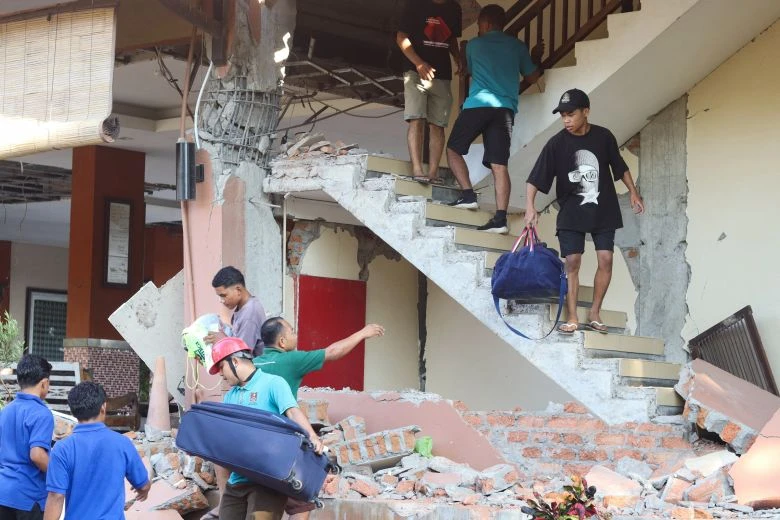
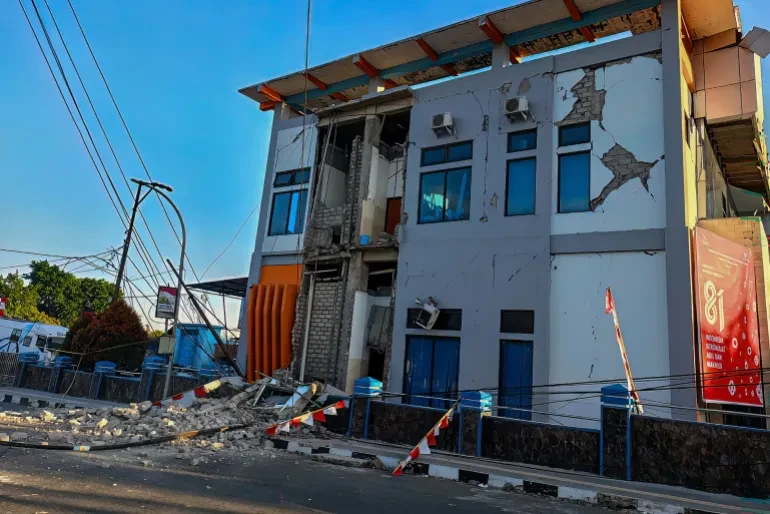
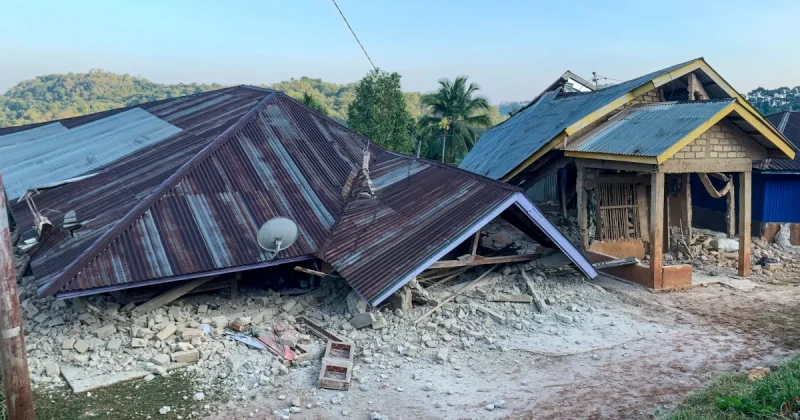
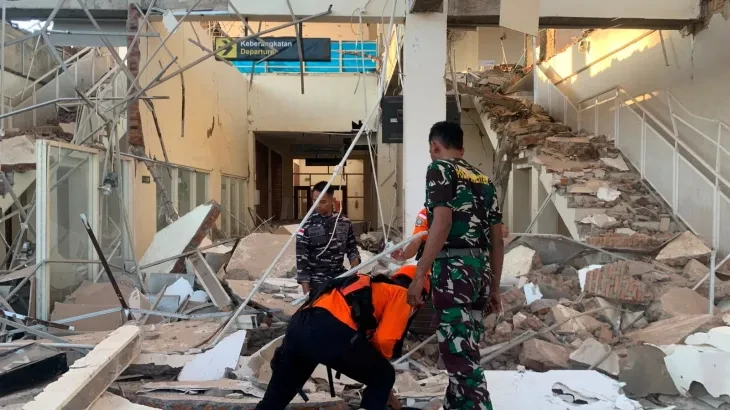
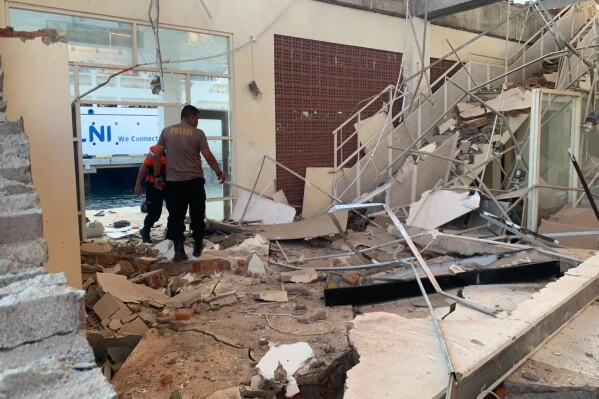
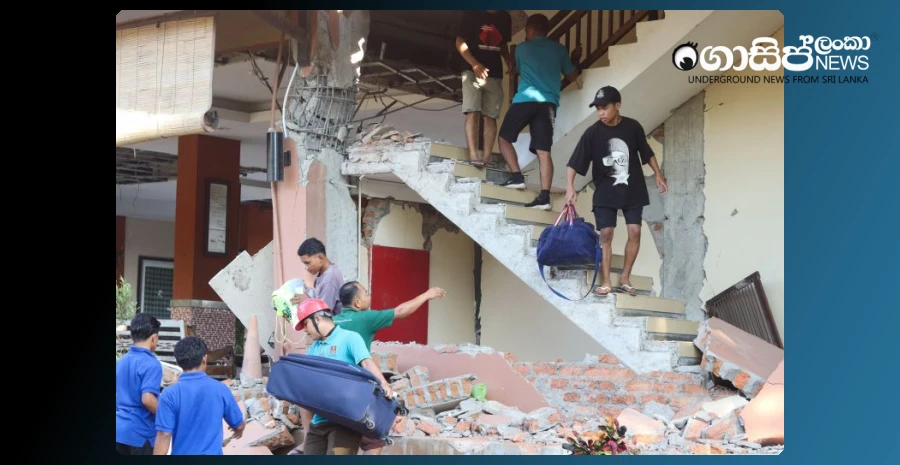
Severe property damage occurred in areas near the earthquake's epicenter and along the northern coast of Flores. The collapse of concrete sections at the L. Say Port Terminal in Maumere caused significant panic among the public. Many structures, including houses, churches, and government buildings, were completely or partially destroyed due to cracked walls and collapsed roofs. As a precautionary measure, patients receiving treatment in hospitals were also evacuated to open areas. Preliminary observations revealed that approximately 2,000 people were evacuated from the Nagekeo area alone, and dozens of buildings were damaged. According to USGS estimates, between 500,000 and 1.5 million people directly felt this strong shaking.
Geologically, Indonesia is located in the Pacific Ring of Fire, a region of high seismic and volcanic activity where the Australian and Sunda tectonic plates meet. This earthquake has been identified as a shallow thrust earthquake. In 1992, a powerful earthquake with a magnitude between 7.5 and 7.8 and a devastating tsunami also occurred in this same region. Relief teams, police, and the military are continuing search operations for those trapped under debris and damage assessment efforts. Flights to the province have also been disrupted, and foreign embassies, including the Chinese Consulate, have advised foreigners and tourists in tourist areas like Labuan Bajo to remain vigilant.