![Gossip Lanka News [English]](https://blogger.googleusercontent.com/img/a/AVvXsEhYm2aFFq-bIW1nWX-RrqnPFoIsVos6_VCVz8BpLt0QJi55GNXHXC2fugeRvL0qUStEuCfs7Sfu6ZiSlhrkldxfGuE_wzy5gitY6rMZ2KSi8VBbGvkgXLks37RwZV-4-HKbWiNLRxB8C_r1e4z3mpxFTMPDJPEADoG8E-bZteWFipeD5KNGbjvCfqEfKw=s300 "Gossip Lanka News [English]")
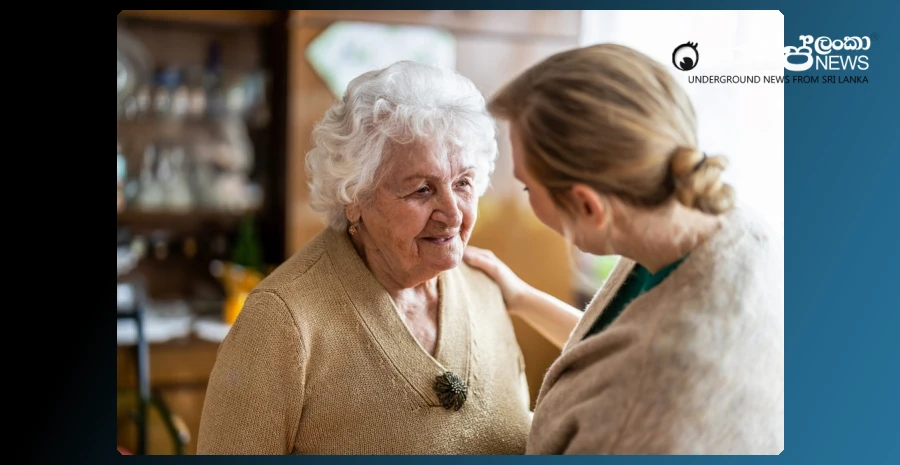
It is expected that the number of dementia patients in Australia will more than double to nearly 1.1 million in the next 40 years, with the majority being women. According to the latest data from the Australian Institute of Health and Welfare (AIHW), dementia has become the leading cause of death in the country for the second consecutive year.
In 2024, this condition was responsible for one in 10 deaths overall, accounting for one in 8 deaths among women and one in 12 deaths among men.Over the past two decades, the health and disease burden caused by dementia has grown rapidly, moving from 12th place in 2003 to second place today, surpassed only by coronary heart disease. It is projected that approximately 670,000 women will be affected by this condition by 2066, with the rate among women over 85 being 1.4 times higher than that of men. It is estimated that approximately 439,000 Australians will be living with dementia in 2025, and this number is expected to rise to 459,000 in 2026. This can be interpreted as approximately 16 out of every 1000 Australians suffering from this condition.
Dementia is a general term for a group of conditions that affect brain function, and Alzheimer's disease is just one form of it. Common symptoms include memory loss, speech impairments, reduced cognitive abilities, and behavioral changes. While age, genetic factors, and family history strongly influence this, relevant reports indicate that nearly half of dementia cases globally are caused by controllable risk factors. Excessive alcohol consumption, smoking, obesity, high blood pressure, untreated vision or hearing impairments, depression, and diabetes significantly increase this risk. However, this risk can be reduced through regular physical activity, maintaining social connections, education, and engaging in mentally stimulating activities.
The impact of dementia is not limited to patients alone. As Tanya Buchanan, CEO of Dementia Australia, points out, while nearly half a million people live with the disease, approximately 1.7 million others are involved in caring for them. Although governments have recognized this as a major public health issue and developed a 10-year National Dementia Action Plan, authorities and advocates emphasize that the condition still does not receive adequate recognition and financial resources. There is a strong need for further financial support to successfully implement future strategies and improve the quality of life for both patients and their caregivers.