![Gossip Lanka News [English]](https://blogger.googleusercontent.com/img/a/AVvXsEhYm2aFFq-bIW1nWX-RrqnPFoIsVos6_VCVz8BpLt0QJi55GNXHXC2fugeRvL0qUStEuCfs7Sfu6ZiSlhrkldxfGuE_wzy5gitY6rMZ2KSi8VBbGvkgXLks37RwZV-4-HKbWiNLRxB8C_r1e4z3mpxFTMPDJPEADoG8E-bZteWFipeD5KNGbjvCfqEfKw=s300 "Gossip Lanka News [English]")
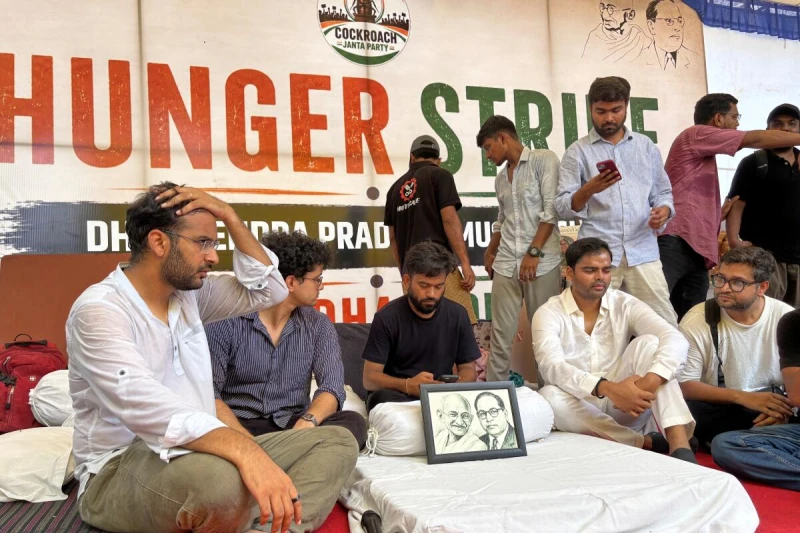
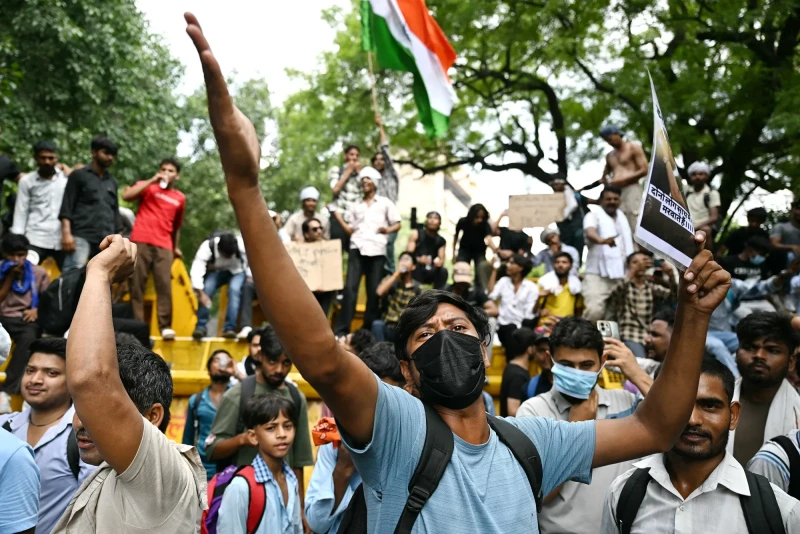
The 'Cockroach Janatha Pakshaya' (CJP) has taken steps to end the several-week protest held at Jantar Mantar in New Delhi, following the Indian Central Government's acceptance of their main demands and the resignation of Central Education Minister Dharmendra Pradhan from his post on Saturday, July 25, 2026. This decision was made after the third round of discussions with government representatives.
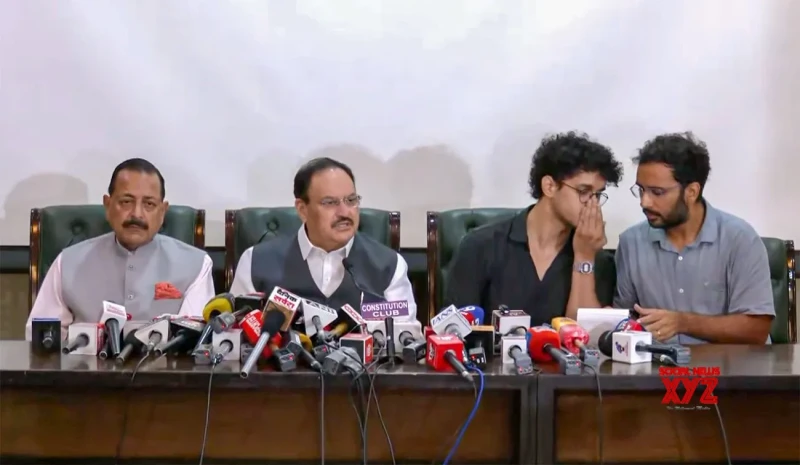
CJP National Spokespersons Ashutosh Ranka and Sourav Das officially announced this at a joint press conference with Union Ministers J. P. Nadda and Jitendra Singh at the Constitutional Club in New Delhi. Ranka stated that since all demands have been met, protesters should immediately disperse peacefully, while Das mentioned that they had presented extremely fundamental demands and were ending the protest based on their trust in the government.
This protest movement began on May 16, 2026, and was founded by Abhijit Dipke, a political communication strategist from Aurangabad, Maharashtra. The organization emerged as a satirical response against the then Chief Justice Surya Kant's labeling of unemployed youth and activists as 'cockroaches' and 'parasites of society' during a Supreme Court hearing. Adopting this derogatory term as a symbol of their militancy, they mocked the Bharatiya Janata Party (BJP) and introduced themselves as 'the voice of the lazy and the unemployed'.
Although not registered with the Election Commission, this organization gained millions of followers through social media and also raised issues concerning judicial retirement appointments, electoral transparency, women's representation in politics, and media rights. However, their main struggle became the NEET-UG exam irregularity, which caused widespread controversy across the country.
The leak of question papers for the NEET-UG examination, which over 2.27 million students took for medical and dental seats on May 3, 2026, initiated this crisis. Between 120 and 140 questions from the leaked papers circulating in coaching class networks in Sikar, Rajasthan, were identical to those in the Chemistry and Biology papers, leading the National Testing Agency (NTA) to cancel the exam on May 12. With over 150 incidents of exam paper leaks reported in the past decade and students facing severe mental stress and suicides due to this instability, this youth uprising intensified.
In mid-June, a continuous Satyagraha began at Jantar Mantar in New Delhi, with the main demands being the resignation of the Education Minister, the withdrawal of cases against protesters, and compensation. On June 28, Sonam Wangchuk, a renowned activist from Ladakh, joined a 26-day continuous hunger strike, after which police, acting on court orders, removed him and took him to the hospital.
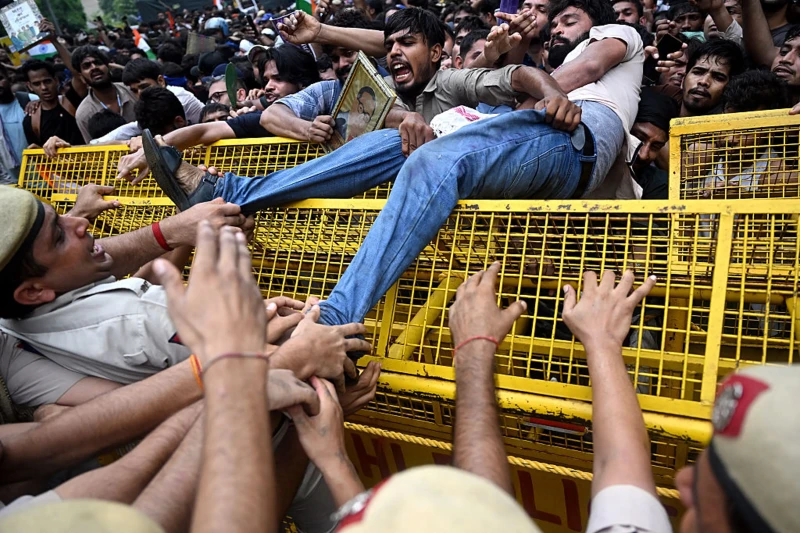
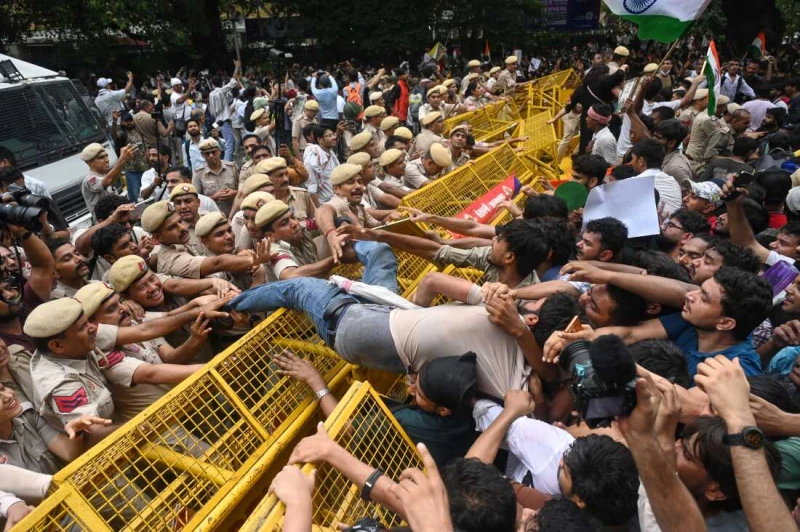
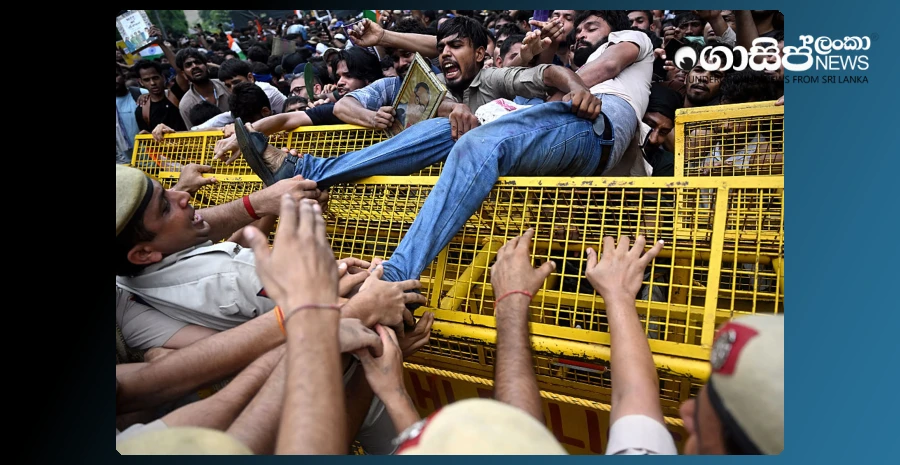
During the 'Sansad Chalo' march organized on July 20, thousands attempted to move towards Parliament, leading to police using tear gas and baton charges, injuring approximately 178 people. These protests spread to several cities, including Pune, Jaipur, Lucknow, Bengaluru, and Mumbai.
To resolve the issue, Prime Minister Narendra Modi announced on July 23-24 that swift legal action would be taken against question paper leaks, and following subsequent rounds of discussions, Sonam Wangchuk ended his hunger strike. After the third round of discussions, with the resignation of Education Minister Dharmendra Pradhan on July 25, the CJP successfully concluded its 36-day protest.
Here, the government agreed to all three main demands: the resignation of the Education Minister, the annulment of all police complaints (FIRs) filed against the protesters, and maximum compensation for the families of students who committed suicide. Further discussions on educational reforms are scheduled to take place within the next four weeks, and the police used loudspeakers to peacefully disperse the crowd at Jantar Mantar.
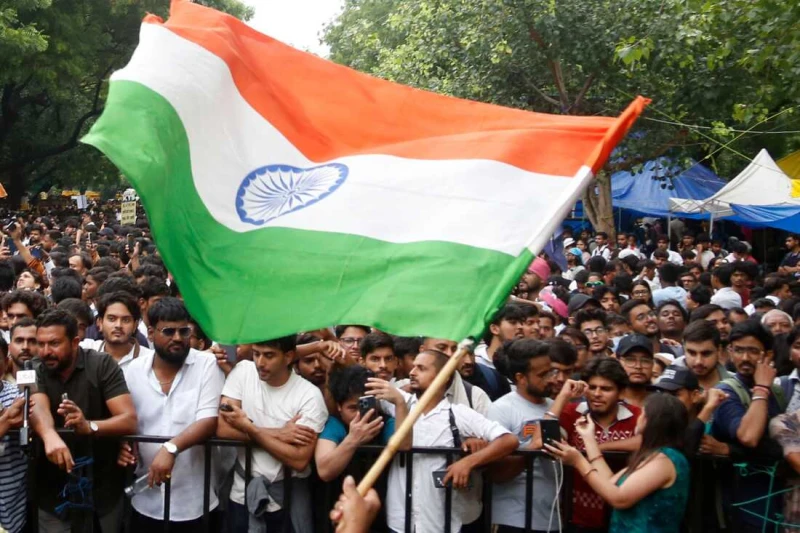
This youth movement, built against unemployment and the failure of the examination system, also severely impacted transportation and economic activities in New Delhi. Starting as an internet-based satirical group, this movement gained the support of students and civil organizations nationwide, transforming into a powerful public uprising capable of even making the Indian political authority flexible.