![Gossip Lanka News [English]](https://blogger.googleusercontent.com/img/a/AVvXsEhYm2aFFq-bIW1nWX-RrqnPFoIsVos6_VCVz8BpLt0QJi55GNXHXC2fugeRvL0qUStEuCfs7Sfu6ZiSlhrkldxfGuE_wzy5gitY6rMZ2KSi8VBbGvkgXLks37RwZV-4-HKbWiNLRxB8C_r1e4z3mpxFTMPDJPEADoG8E-bZteWFipeD5KNGbjvCfqEfKw=s300 "Gossip Lanka News [English]")
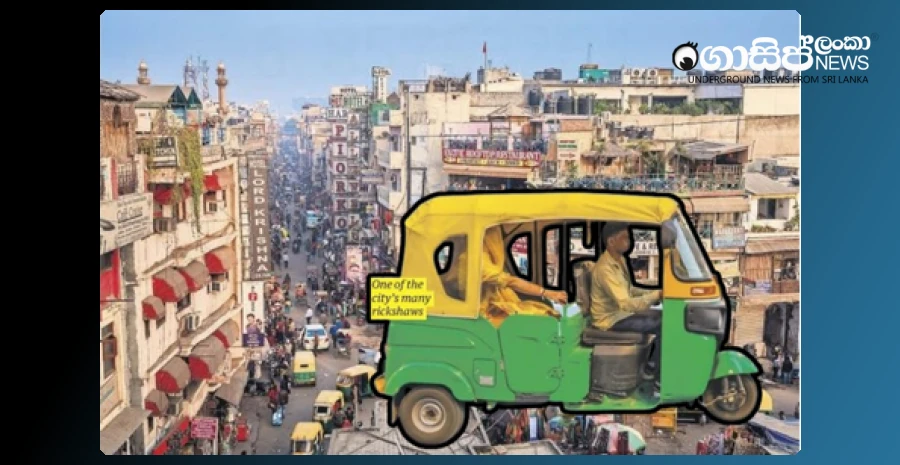
With the aim of reducing air pollution in Delhi, the capital city of India, the government plans to ban petrol-powered three-wheelers and scooters. New policies are expected to promote electric vehicles to control the severe air pollution in the city before the end of the decade.
A key objective of this initiative is to phase out new petrol and gas scooters, trucks, and buses within the next two years.The transport sector contributes significantly to air pollution in Delhi, with two-thirds of the city's total vehicles being scooters and three-wheelers. Under the new policy, new licenses for small trucks and three-wheelers will only be issued from 2027 if they are fully electric vehicles (EVs), and similarly for scooters and motorcycles from 2028. Through this program, the government aims to make at least 30% of the city's vehicles electric by 2030, which environmentalists point out will be a massive transformation in the transport sector.
However, three-wheeler drivers have some concerns regarding this sudden change. They fear that the time taken to charge electric vehicles could affect their daily income, and that there is an insufficient number of charging stations. Furthermore, drivers have also raised concerns about battery thefts and maintenance difficulties. While they acknowledge the importance of reducing air pollution, they suspect that the economic burden of adapting to this change within a short period of two years will fall upon them.
In response to these issues, the government has promised to establish over 30,000 public charging stations across the capital. Additionally, the new policy includes measures to provide road and vehicle tax concessions to encourage individuals to purchase electric vehicles. Despite the introduction of such incentives, critics argue that merely promoting electric vehicles is not enough to reduce traffic congestion and dust in the city. They emphasize that alongside the EV policy, green public transport services must be further expanded and made more efficient by addressing existing deficiencies throughout the city.