![Gossip Lanka News [English]](https://blogger.googleusercontent.com/img/a/AVvXsEhYm2aFFq-bIW1nWX-RrqnPFoIsVos6_VCVz8BpLt0QJi55GNXHXC2fugeRvL0qUStEuCfs7Sfu6ZiSlhrkldxfGuE_wzy5gitY6rMZ2KSi8VBbGvkgXLks37RwZV-4-HKbWiNLRxB8C_r1e4z3mpxFTMPDJPEADoG8E-bZteWFipeD5KNGbjvCfqEfKw=s300 "Gossip Lanka News [English]")
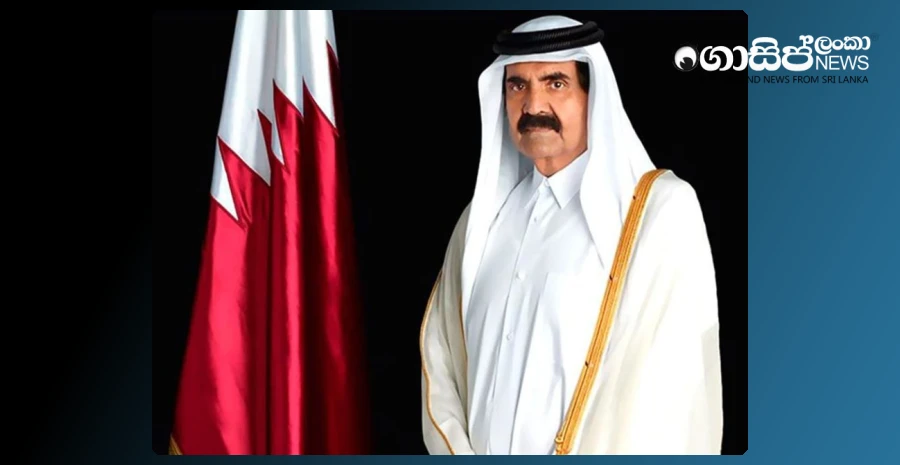
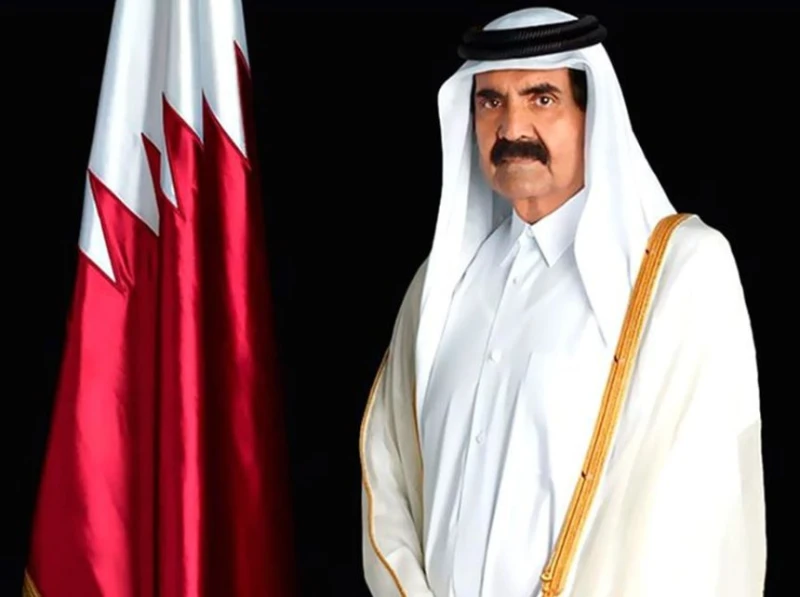
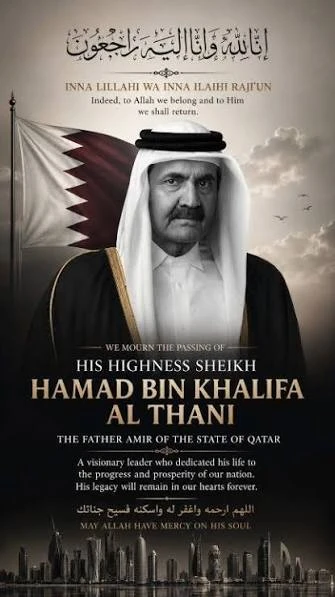
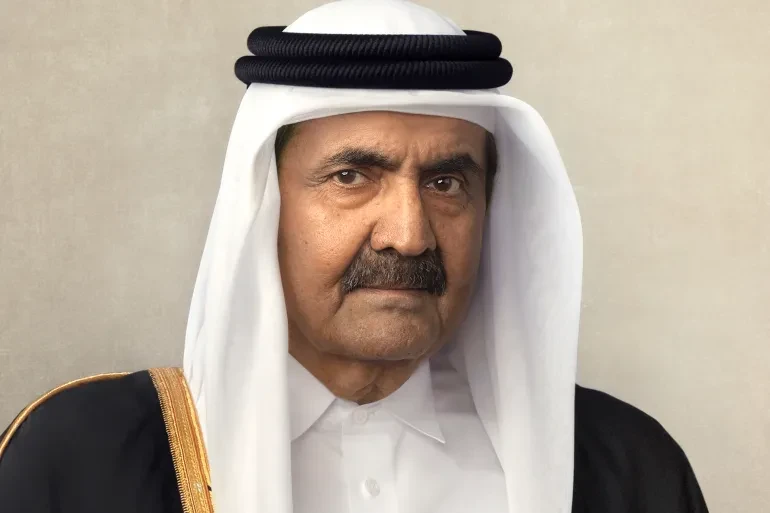
Sheikh Hamad bin Khalifa Al Thani, the former Emir of Qatar, widely regarded as the pioneer of Qatar's modern renaissance and honored as the "Father Emir," passed away in Doha at the age of 74. The Amiri Diwan officially announced the demise, which occurred on the morning of July 12, 2026, expressing profound sorrow for the loss of this great leader who rendered immense service to the entire nation in accordance with God's will.
Marking this national moment of sorrow, a four-day period of national mourning has been declared across the State of Qatar, and national flags have been lowered to half-mast. However, the exact cause of his demise or detailed information regarding the funeral arrangements has not yet been made public.Born in Doha on January 1, 1952, Sheikh Hamad completed his primary education in Qatar before enrolling at the Royal Military Academy Sandhurst in Britain, from which he graduated in 1971. He then joined the Qatar Armed Forces and rose through the ranks. In 1995, while his father, Sheikh Khalifa bin Hamad Al Thani, the then-ruler, was abroad, he seized power in a bloodless palace coup. This marked the beginning of his remarkable 18-year reign (1995–2013), which transformed the entire trajectory of the State of Qatar.
Widely acclaimed as the founder of modern Qatar, Sheikh Hamad steered his nation, which possesses the world's third-largest natural gas reserves, towards unprecedented economic prosperity. Under his visionary leadership, Qatar's liquefied natural gas (LNG) production expanded significantly to 77 million tons per year, elevating the country's GDP per capita to a peak of approximately US$86,440, making Qatar one of the wealthiest nations in the world. Furthermore, the 'Qatar Investment Authority' (QIA), a sovereign wealth fund he established in 2005, grew to manage global investments exceeding US$100 billion and acquired stakes in world-renowned businesses such as Harrods department store in London, Barclays Bank, Heathrow Airport, The Shard building, and Paris Saint-Germain (PSG) football club.
Alongside economic growth, he took steps to modernize the country's infrastructure, education, and social sectors, transforming Qatar into a global diplomatic and media hub. Notable achievements include the establishment of the world-renowned 'Al Jazeera' media network, educational projects like 'Education City,' and social reforms that strengthened women's roles, influenced by his second wife, Sheikha Moza bint Nasser. Additionally, during his reign, the country achieved numerous significant milestones, such as hosting the 2006 Asian Games, the 2011 AFC Asian Cup, and the 2012 United Nations Climate Change Conference, as well as winning the bid to host the 2022 FIFA World Cup.
In strategic diplomatic endeavors, Sheikh Hamad maintained an independent foreign policy with Western nations, Iran, and other regional powers, enhancing Qatar's international reputation by advocating for Palestinians in their crisis and mediating peace talks to resolve international conflicts, such as the Doha Agreement. However, his political legacy also faced challenges, including the Gulf crisis (sanctions imposed by neighboring countries) from 2017–2021 and labor issues that arose during World Cup preparations. In a rare move in the history of Gulf monarchies, he voluntarily abdicated power in 2013, handing over leadership to his son, the current Emir Sheikh Tamim bin Hamad Al Thani, paving the way for a new generation.
In his family life, he was married to several wives and had numerous children, including the current Emir. Following his demise, many heads of state worldwide, including Pakistan, Turkey, Rwanda, and Malaysia, as well as Indian Prime Minister Narendra Modi, expressed their condolences, remembering Sheikh Hamad as a truly visionary leader who guided Qatar to its highest level of development.