![Gossip Lanka News [English]](https://blogger.googleusercontent.com/img/a/AVvXsEhYm2aFFq-bIW1nWX-RrqnPFoIsVos6_VCVz8BpLt0QJi55GNXHXC2fugeRvL0qUStEuCfs7Sfu6ZiSlhrkldxfGuE_wzy5gitY6rMZ2KSi8VBbGvkgXLks37RwZV-4-HKbWiNLRxB8C_r1e4z3mpxFTMPDJPEADoG8E-bZteWFipeD5KNGbjvCfqEfKw=s300 "Gossip Lanka News [English]")
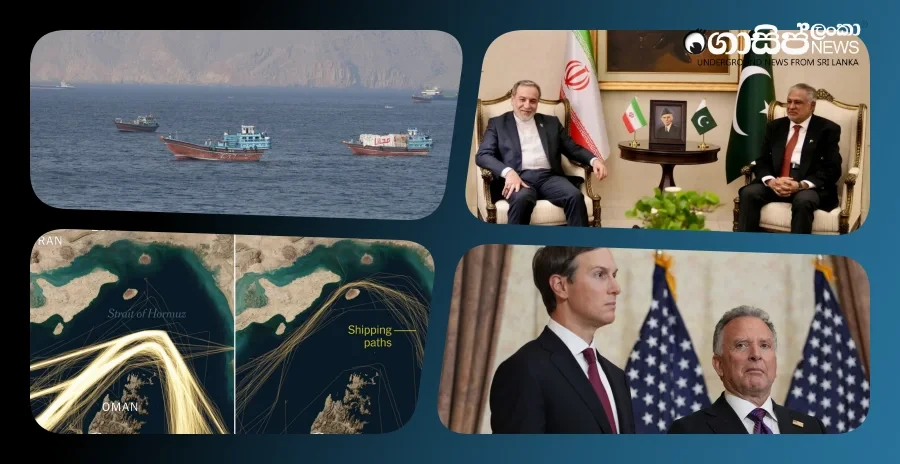
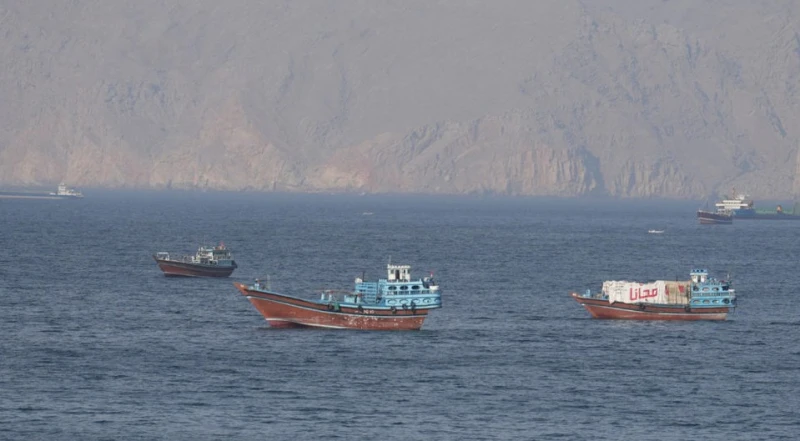
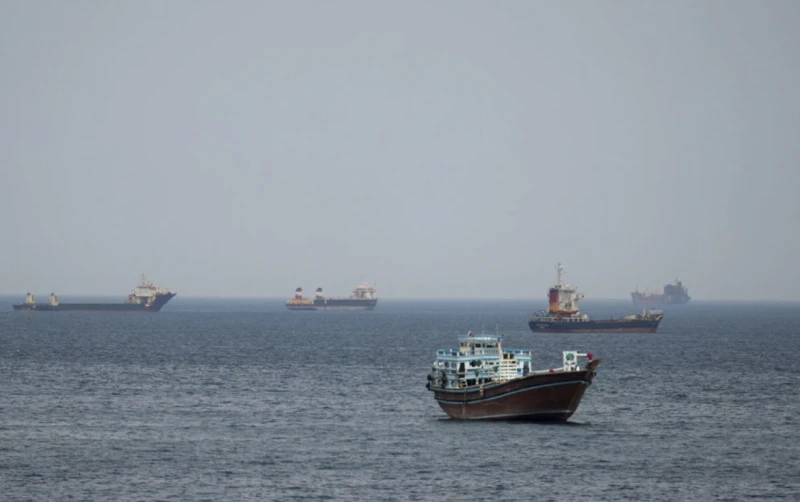
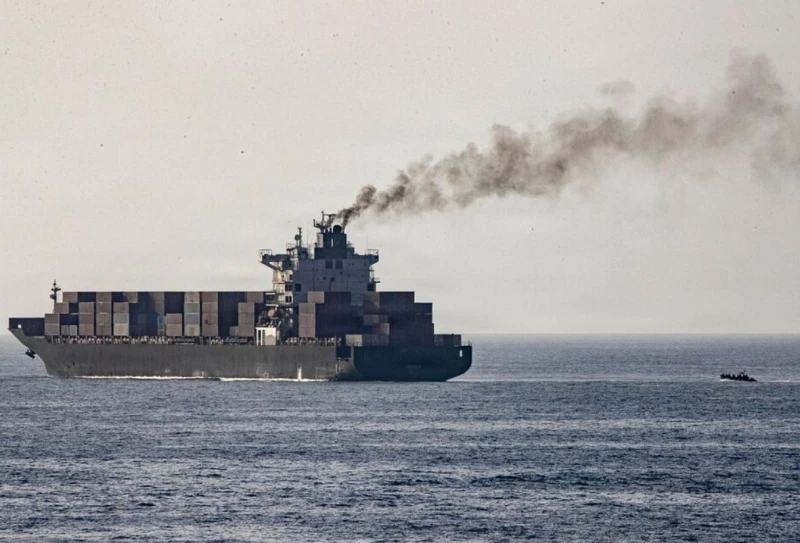
As of today (April 25, 2026), marking 57 days since the 2026 American-Israeli and Iranian conflict began, global attention has once again turned to the Strait of Hormuz. Just hours after US President Donald Trump extended the ceasefire, the naval forces of Iran's Islamic Revolutionary Guard Corps (IRGC) seized two commercial vessels in the Strait of Hormuz between April 22 and 24.
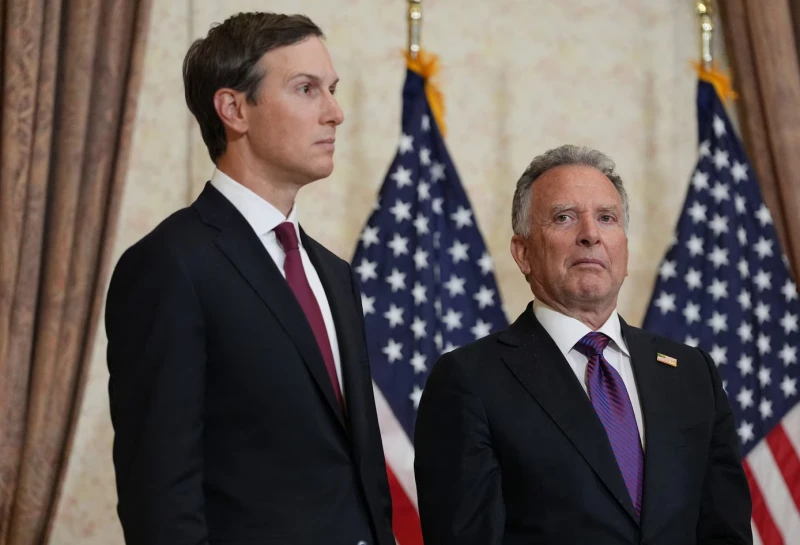
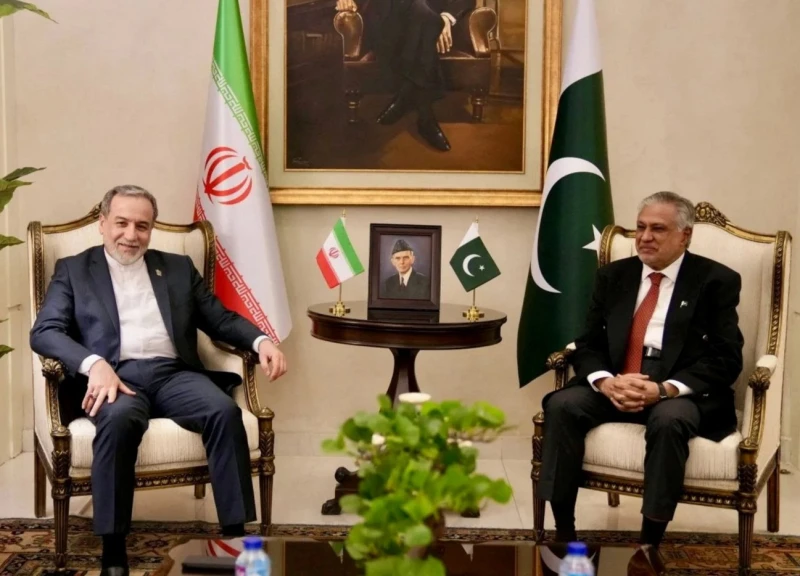
The bridge of the Greek vessel 'Epaminondas', flying the Liberian flag, sustained severe damage due to Iranian gunfire, while the hull and accommodation section of the Panamanian-flagged vessel 'MSC Francesca' were also damaged. Both vessels have been forcibly diverted into Iranian waters and are currently anchored approximately 7 nautical miles from the coast. Additionally, Iranian forces fired upon another Panamanian-flagged vessel, the 'Euphoria', but it managed to escape. Iran justifies these actions as a response to the naval sanctions under "Operation Economic Fury" implemented by the US and the recent seizure of an Iran-linked vessel.Amidst this tense backdrop, a high-level Iranian delegation, led by Foreign Minister Abbas Araghchi, has arrived in Islamabad, Pakistan, for indirect talks, hoping to de-escalate the conflict. The US government has also confirmed sending its senior representatives, Steve Witkoff and Jared Kushner, to Pakistan for these discussions. Although President Trump stated that Iran is expected to negotiate in accordance with American conditions, Iran has emphasized that it will not participate in direct talks until the sanctions imposed in the Strait of Hormuz are lifted. This intervention in Pakistan is considered the first instance of diplomatic engagement in this war, which began on February 28 with US and Israeli airstrikes on Iranian nuclear facilities in Natanz, Fordow, and Isfahan under 'Operation Midnight Hammer'.
Despite ongoing efforts for talks, Israeli Defense Minister Israel Katz stated on April 24 that the Israel Defense Forces (IDF) are fully prepared to resume operations against Iran as soon as approval is received from President Trump. He further added that they are ready to destroy Iran's energy, electricity, and overall economic infrastructure. It is reported that this war, which has lasted over 57 days, has already cost more than 61 billion US dollars. Meanwhile, Pentagon officials and Defense Secretary Hegseth have stated that US sanctions in the Strait of Hormuz will be maintained for as long as necessary. Further escalating the situation, a third US aircraft carrier has been deployed to the Middle East, and 344 million US dollars in Iran-linked cryptocurrency have been frozen under "Operation Economic Fury".
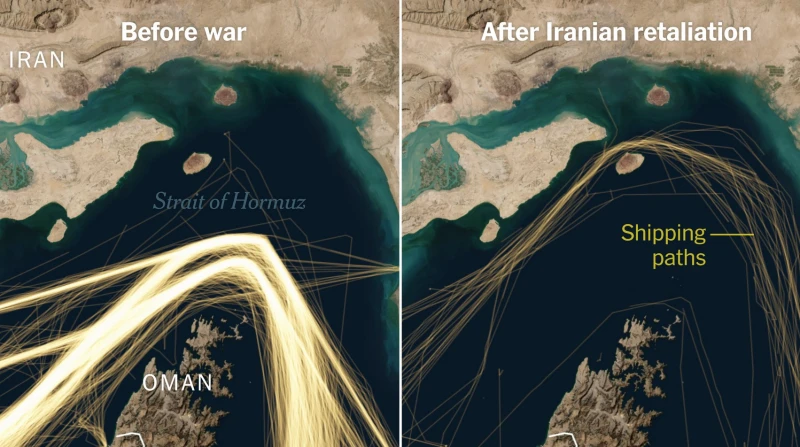
These naval blockades and attacks have impacted approximately 20% of the global oil supply, with only five vessels having transited the Strait of Hormuz in the past 24 hours. Consequently, global shipping insurance premiums and energy prices have sharply increased, and companies like SLB and Baker Hughes have also raised their exploration costs. President Trump has also informed the American people to expect a rise in fuel prices in the coming period. In addition to the main war front, despite the Israeli-Lebanese ceasefire being extended by three weeks, Iran-backed Hezbollah launched FPV drones and rocket attacks on Israeli forces from Southern Lebanon between April 22-24. No casualties have been reported, and the Israeli military managed to destroy one drone.
Various reactions from the international community are emerging regarding this situation. Russian Foreign Ministry spokesperson Maria Zakharova condemned the American-Israeli actions as an "aggression," accusing Washington of disregarding the Nuclear Non-Proliferation Treaty. Protests are erupting across Europe against European leaders' support for the war, and in America, former military personnel have protested in Washington, demanding an end to the war. Although sources confirm there is no evidence of an active Iranian nuclear weapons program since the devastations of 2025, the current ceasefire remains highly uncertain due to hawkish statements from both sides and divisions within leadership.