![Gossip Lanka News [English]](https://blogger.googleusercontent.com/img/a/AVvXsEhYm2aFFq-bIW1nWX-RrqnPFoIsVos6_VCVz8BpLt0QJi55GNXHXC2fugeRvL0qUStEuCfs7Sfu6ZiSlhrkldxfGuE_wzy5gitY6rMZ2KSi8VBbGvkgXLks37RwZV-4-HKbWiNLRxB8C_r1e4z3mpxFTMPDJPEADoG8E-bZteWFipeD5KNGbjvCfqEfKw=s300 "Gossip Lanka News [English]")
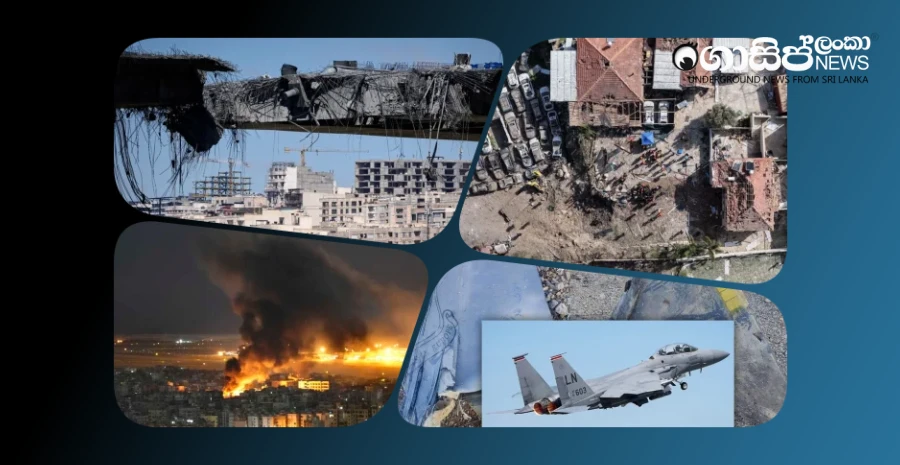
According to information reported on April 3 and 4, 2026, the American-Israeli and Iranian war, now entering its fifth week, continues to escalate. A significant event during this period was the downing of two American warplanes by Iranian air defense systems.
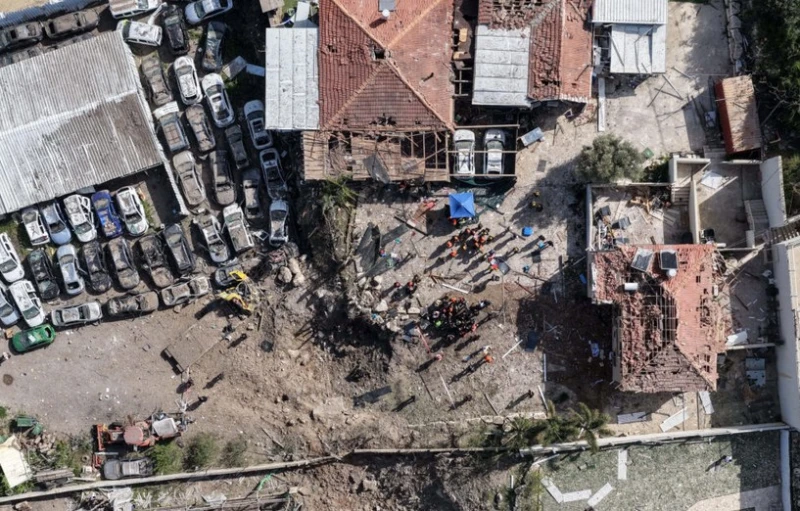
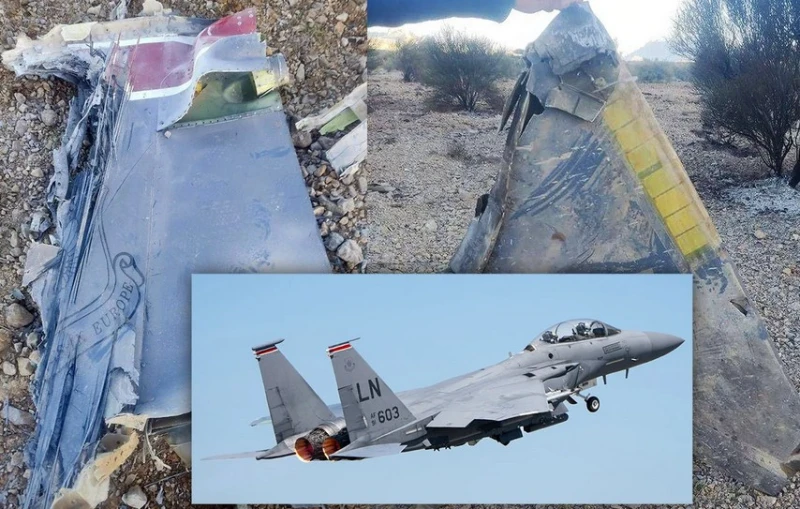
Using a modern missile system, an F-15E Strike Eagle aircraft was destroyed over southwestern Iran and an A-10 Warthog aircraft in the Persian Gulf region. This marks the first instance in the current conflict where America has lost its manned aircraft. Two pilots from the downed planes have been rescued by American special forces, but Iran has launched a massive operation offering rewards for the capture of the missing officer alive. These attacks are celebrated by Iran as a display of its military strength, and a special notification regarding the incident has been sent to US President Donald Trump.Meanwhile, as part of "Operation True Promise," Iran has launched a series of ballistic missile attacks with cluster munitions targeting central and northern areas of Israel. These attacks have caused severe damage to residential and industrial zones in several cities, including Rosh HaAyin, Ramat Gan, Beersheba, and Tel Aviv. Although Israeli defense systems managed to destroy the vast majority of missiles in the air, falling debris and cluster munitions have injured several civilians, including a 79-year-old elderly person. Additionally, a factory in the Petah Tikva area has been damaged, and Iran's use of cluster munitions has caused serious international concern.
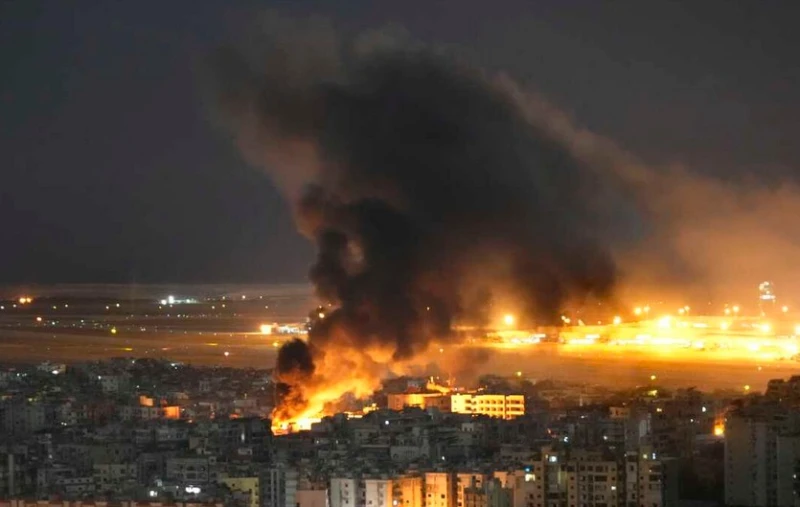
In Lebanon, operating as a secondary front in the conflict, Hezbollah, in conjunction with Iran, has launched rocket attacks on the Haifa area and a helicopter pad in Maroun al-Ras. In response, Israel has launched a series of airstrikes targeting South Beirut, Jezzine, and the Beqaa Valley, destroying two major bridges and obstructing supply routes for essential food and medicine for civilians. Three United Nations peacekeepers were also injured during these attacks, and Israel has extended the service period of its additional military personnel by nine weeks to control the escalating crisis.
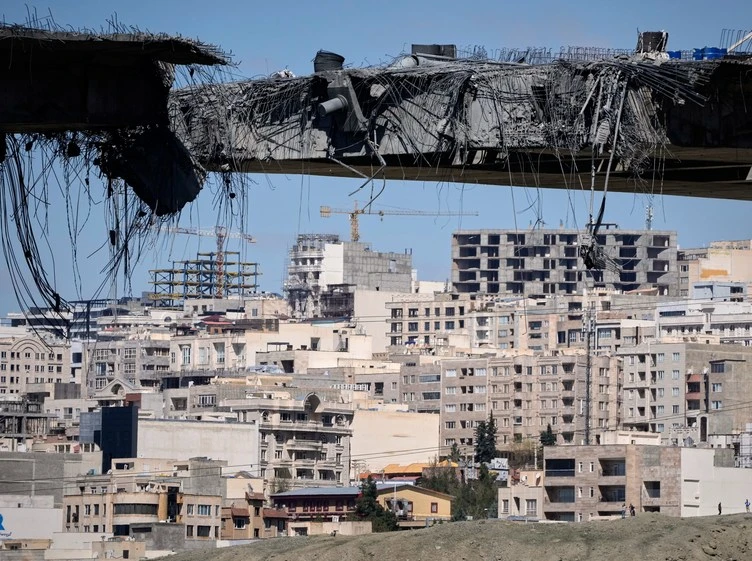
Amidst this crisis, American and Israeli forces continue to launch attacks targeting Iran's infrastructure. The death toll from the destruction of the Karaj B1 bridge north of Tehran has now risen to 13, and Iran accuses the attacks on civilian targets as a moral degradation. In response, Iran has launched drone and missile attacks on targets in the Gulf region, damaging Kuwait's Mina Al-Ahmadi refinery, a gas station in Abu Dhabi, and an aluminum factory, resulting in one death. The American President has warned that if the Strait of Hormuz remains closed, more powerful attacks will be launched against Iran's energy and water resource centers.
In the face of this massive wartime situation, Iran has vehemently rejected the 48-hour ceasefire proposed by the United States. Due to the blockage of the Strait of Hormuz, between 2000 and 3000 ships are stranded there, and the resulting rise in oil prices has negatively impacted the economic growth of countries like Vietnam. It is also reported that a French vessel has passed through the strait after paying taxes to Iran. Meanwhile, protests supporting Iran have emerged in Baghdad and Sana'a, and recent polls indicate growing public disapproval of this war within the United States.