![Gossip Lanka News [English]](https://blogger.googleusercontent.com/img/a/AVvXsEhYm2aFFq-bIW1nWX-RrqnPFoIsVos6_VCVz8BpLt0QJi55GNXHXC2fugeRvL0qUStEuCfs7Sfu6ZiSlhrkldxfGuE_wzy5gitY6rMZ2KSi8VBbGvkgXLks37RwZV-4-HKbWiNLRxB8C_r1e4z3mpxFTMPDJPEADoG8E-bZteWFipeD5KNGbjvCfqEfKw=s300 "Gossip Lanka News [English]")
Israel-American joint operations and American troop deployments
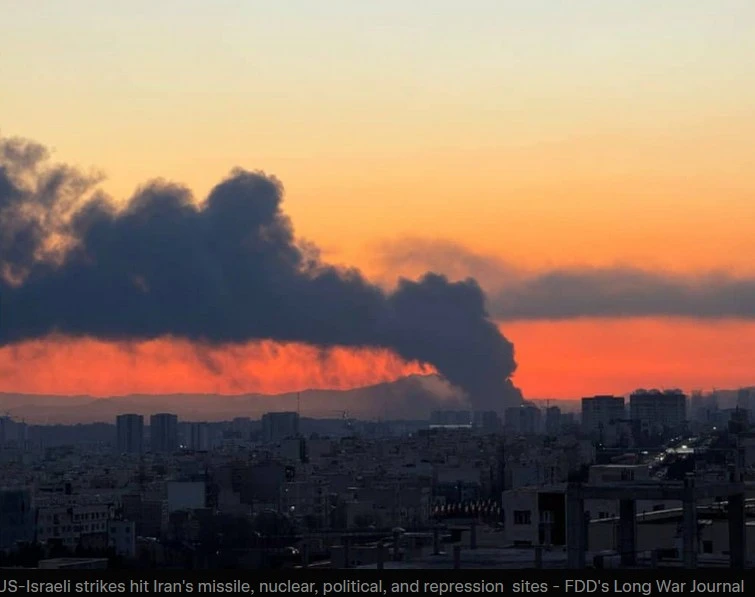
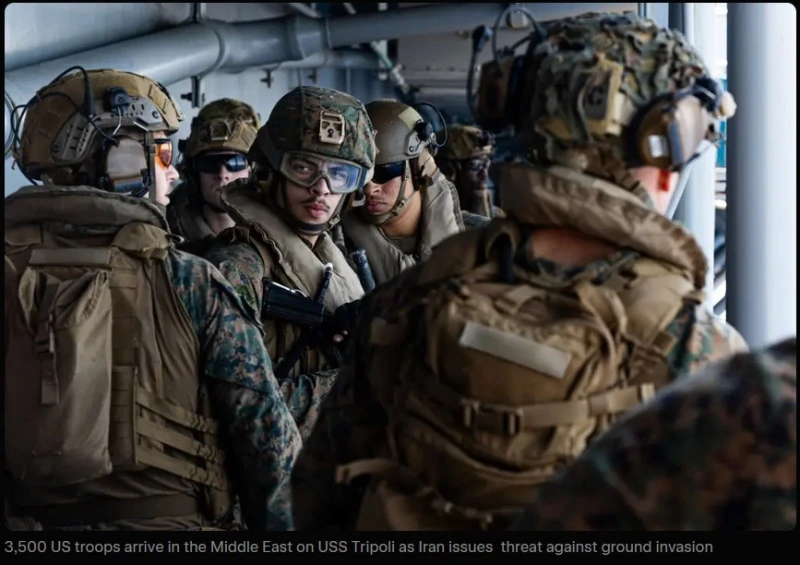
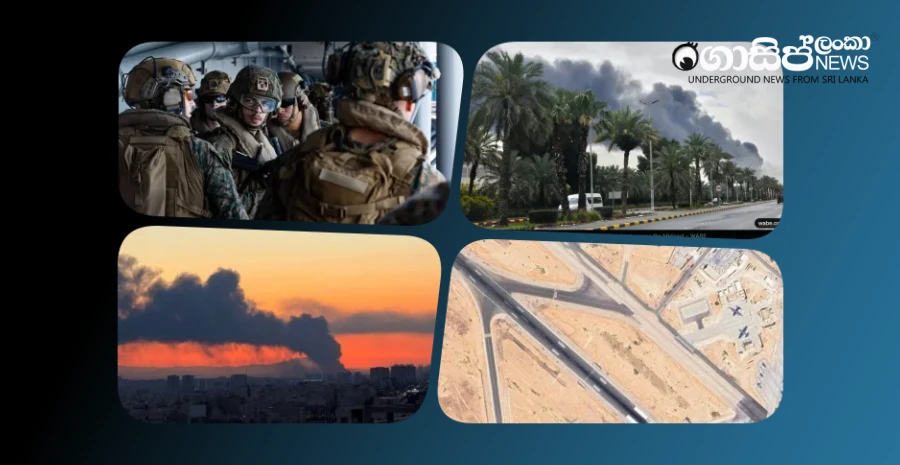
The Israel Defense Forces announce that 'Operation Roaring Lion,' a joint American-Israeli operation launched to target Iran's missile and nuclear infrastructure, has now reached its final stage. This status has been reached after more than 600 attacks on ballistic missile centers and production facilities. Additionally, another series of attacks has targeted central Tehran and other assets belonging to the Iranian government, reportedly causing a decline in morale among the troops of the Islamic Revolutionary Guard Corps (IRGC). Amidst this situation, the USS Tripoli, carrying 3,500 marines, has arrived in the region with the aim of strengthening American military power in the Middle East. Reports also indicate preparations for launching ground operations against Iranian targets, with the primary objective being to bolster the security of regional American bases.
Iranian counter-attacks on Jordan and Kuwait
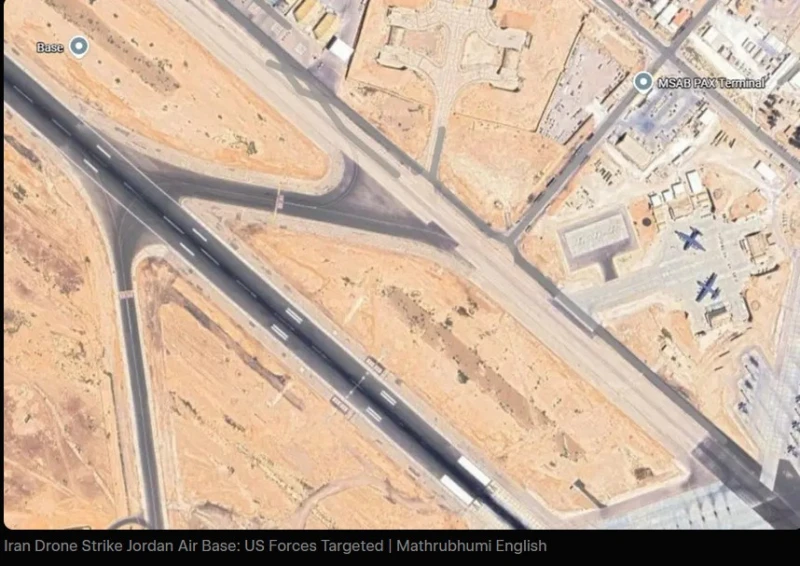
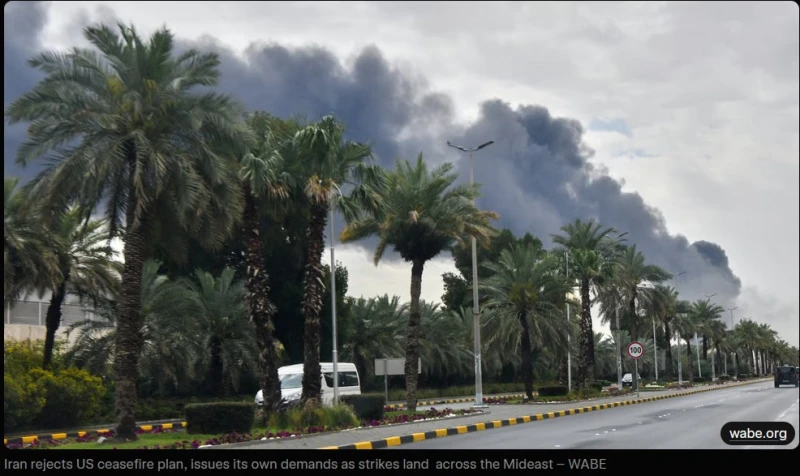
In response to continuous attacks against itself, Iran has launched a massive drone attack on the Muwaffaq Salti Air Base in Azraq, Jordan. This attack, targeting dormitories and equipment with American connections, resulted in injuries to personnel and damage to aircraft. This is considered the most recent direct attack on American forces in the region. Concurrently, Iran has launched missile and drone attacks targeting a military base and an electricity and water purification plant in Kuwait. An Indian national working there was killed in this attack, and a service building sustained severe damage. Additionally, several members of American-allied forces were injured. Several projectiles have entered Kuwaiti airspace in the past 24 hours, marking an expansion of the conflict into Gulf states hosting American military bases.
Attacks on Israel and the Houthi rebels joining the war
Iranian ballistic missiles striking a chemical and pesticide factory in the Beersheba industrial zone in southern Israel caused a large fire and injured 11 people. Additionally, dozens of individuals suffering from shock received medical treatment. While Israel's defense systems successfully destroyed some missiles, missile debris and the impact of the attacks triggered widespread warning sirens across central and southern Israel. The Iranian Revolutionary Guard Corps announced that this operation was launched as a direct response to previous attacks by the United States and Israel on Iranian industrial centers. Meanwhile, Yemen's Houthi organization also officially declared its entry into the conflict, launching missile and drone attacks towards southern Israel. This multi-faceted war has further expanded as Iranian-backed groups across Lebanon, Yemen, and the Gulf region collectively exert coordinated pressure against Israel and American interests.
Further escalating conflicts and civilian impacts
A United Nations peacekeeper has been killed after a projectile exploded near a United Nations Interim Force in Lebanon (UNIFIL) camp in southern Lebanon. Another peacekeeper was seriously injured in this incident, which occurred on Sunday night. Meanwhile, Israeli forces have launched an airstrike on a petrochemical factory in Tabriz, northwestern Iran. However, Iranian state media reported that the facility remains secure and no dangerous or environmentally polluting substances have been released. As the conflict enters its second month, the Iranian Joint Armed Forces Command Headquarters has declared that the private residences of American and Israeli military and political leaders will henceforth be considered legitimate targets. This clearly indicates a further escalation in the intensity and threatening nature of the ongoing crisis.