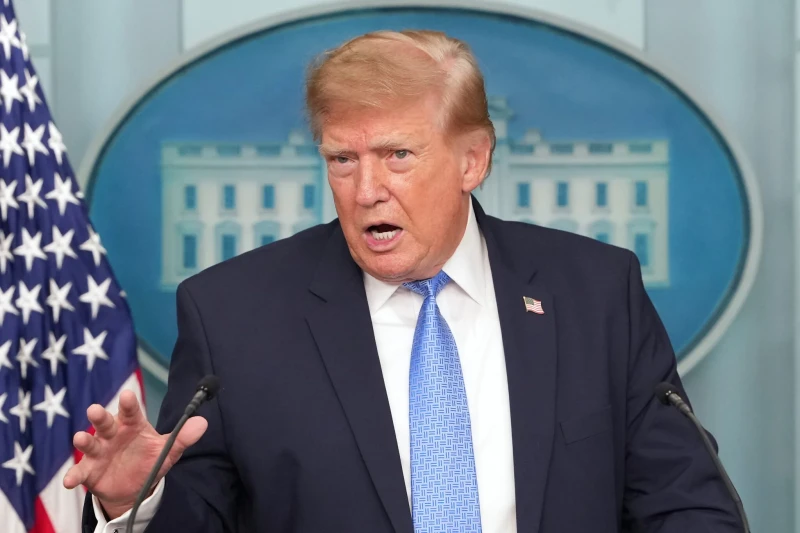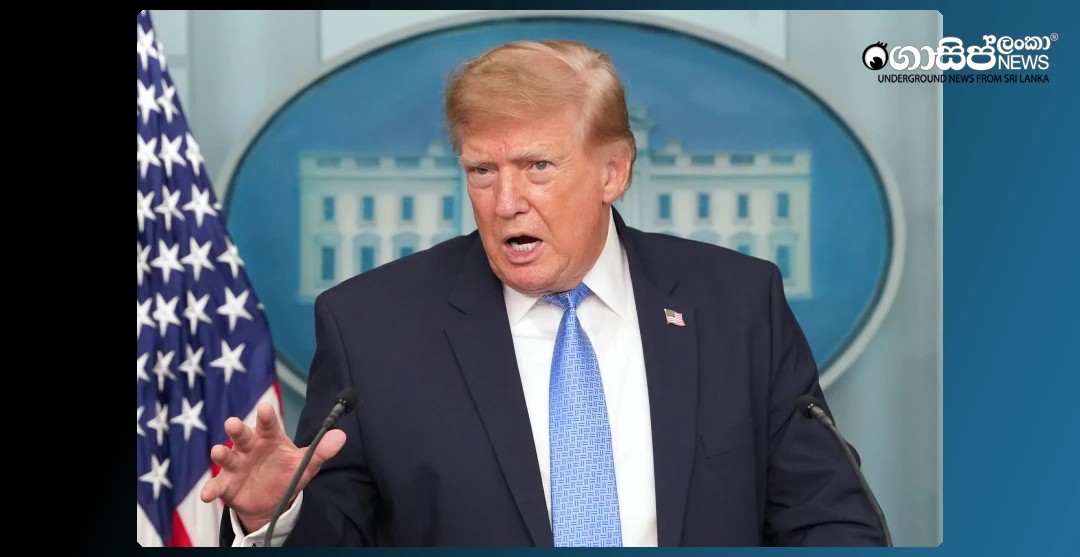
On November 9, 2026, United States President Donald Trump announced that the war between America and Iran had effectively ended militarily, and that there was a visible trend towards the conflict coming to an end. Trump made this statement at a White House press conference following discussions in the Oval Office with Qatar's Prime Minister Sheikh Mohammed bin Abdulrahman Al Thani, a key mediator in the conflict.
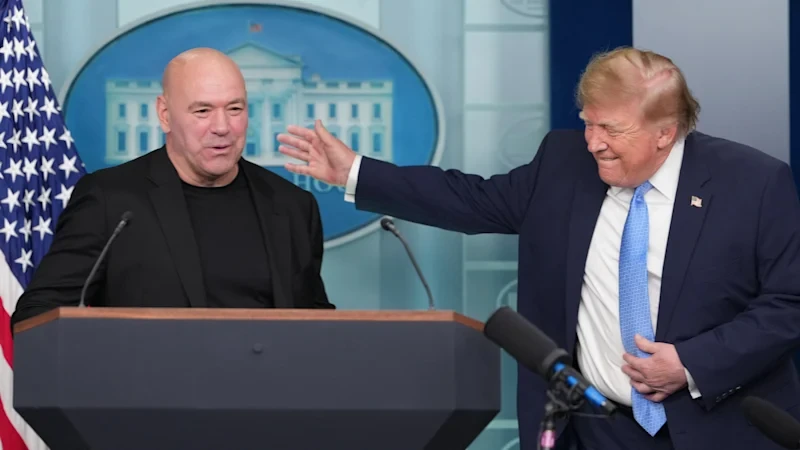
UFC President Dana White also joined the President at this press conference. This statement comes amidst criticism leveled at Trump that he suffered a loss instead of gaining an advantage from the war after his election defeat.Trump stated that the war was reaching its final stages, indicating that further large-scale military action was unnecessary and that renewed attacks were highly unlikely. However, he also said that American forces remained ready to act at any moment should the situation change, and confirmed that the naval blockade around Iran would continue. Trump added that this status quo was being maintained at the request of neighboring countries, and emphasized that Iran would not be allowed to acquire a nuclear weapon under any circumstances, and that he sought a long-term solution rather than a short-term one, while protecting regional allies.
According to statistics presented by the President, approximately 158 Iranian naval vessels have been sunk and about 268 aircraft destroyed on runways due to the attacks. He stated that the country's production capacity has fallen by about 85%, and Iran is facing difficulties in paying its military due to high inflation. Trump's view was that while Iran's main leadership had been destroyed, it remained a troublesome state in the Middle East region. It was also revealed that Gulf allies Qatar, Saudi Arabia, the United Arab Emirates, Bahrain, and Kuwait preferred the current situation to remain, with the largest naval blockade in history and the new "Operation Iron Gate" covering land and Caspian Sea routes, rather than engaging in another large-scale war.
This crisis began on February 28, 2026, with joint attacks launched by America and Israel. These initial attacks, named "Operation Epic Fury" by America and "Operation Roaring Lion" or a similar name by Israel, resulted in the deaths of Iran's Supreme Leader Ali Khamenei and several senior officials. Subsequently, his son Mojtaba Khamenei assumed leadership. In response, Iran launched missile and drone attacks on Israel and American bases in the Gulf region, and took steps to close the Strait of Hormuz for many vessels. This disrupted global oil and gas transportation and led to an increase in fuel prices.
Over time, the ceasefire brokered by Pakistan in early April and the interim agreement in June, aimed at controlling the war that had spread across the region through Hezbollah in Lebanon and Houthi activities, both collapsed. Subsequently, the conflict evolved into a situation involving limited military actions and interventions, such as an American naval blockade targeting Iranian ports and minor attacks on Qeshm Island in the Strait of Hormuz. Thousands have died in Iran due to the war, with official and human rights estimates varying. By October, it was reported that about twenty-four American military personnel had died and hundreds more were injured.
There is also a significant political backdrop behind Trump's new statement. In the American midterm elections held in November 2026, the Republican Party lost control of both houses of Congress. Vice President J.D. Vance and others pointed out that the Iran war and the associated rise in fuel prices were major reasons for this defeat. There is also an effort to impeach Defense Secretary Pete Hegseth in the new Congress, and Netanyahu's coalition government in Israel is also in an uncertain state after the Israeli elections. In such a situation, while Trump is leaning towards a stance of de-escalating the conflict, he is also trying to maintain his influence through the naval blockade and readiness to strike at any moment.
The Iranian side has strongly rejected this statement by the US President. Iranian officials, such as Mohsen Rezaei of the Supreme National Security Council, stated that this was fake news or an attempt to divert attention. They declared that America should stop pretending to have imaginary discussions and accept defeat. However, Iran has proposed conditions such as lifting sanctions and the naval blockade, reopening the Strait of Hormuz under certain agreements, and ending relevant fronts. On the other hand, the Qatari Prime Minister has stated that there is positive progress regarding peace talks.
This wartime situation and the disruption to naval traffic in the Strait of Hormuz influenced global oil and diesel prices to remain high for several months. If the conflict de-escalates long-term or naval routes reopen, there is a possibility that the pressure on Sri Lanka's import costs, the value of the rupee, and the cost of living could be somewhat alleviated. However, a formal ceasefire has not yet been announced, and with the naval blockade and limited attacks still ongoing, the future situation remains uncertain.