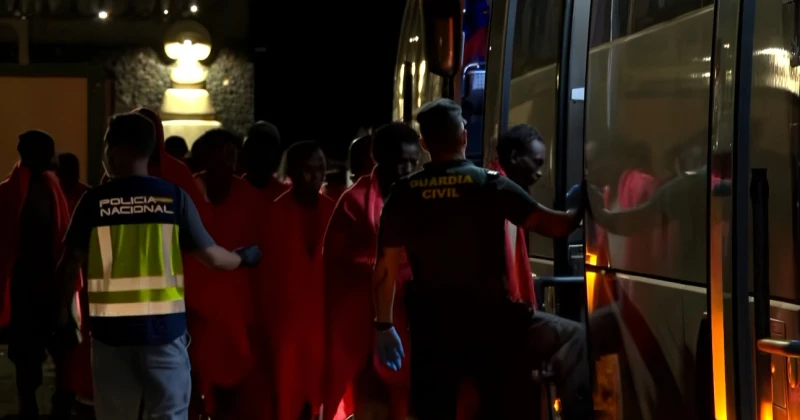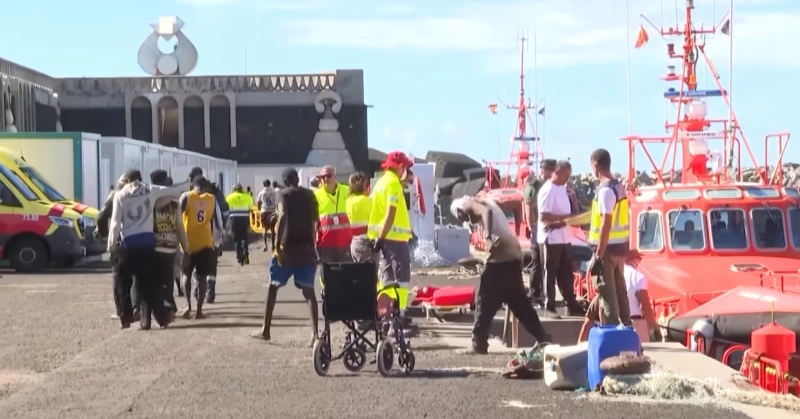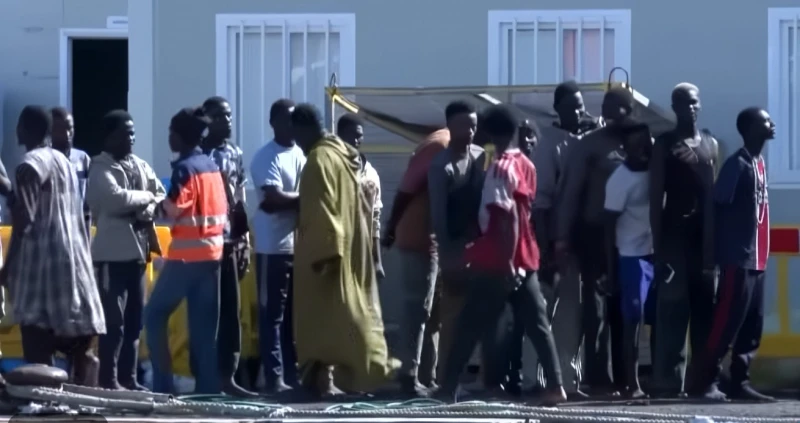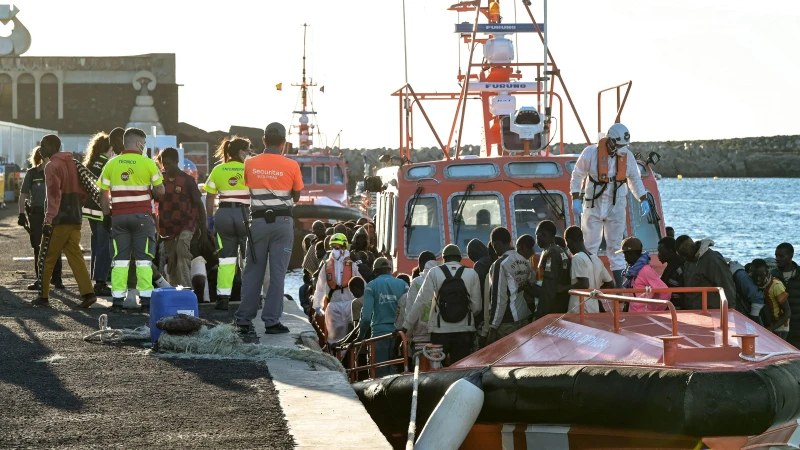
What happens when a small island with a permanent population limited to between eleven and twelve thousand people suddenly sees a number of people equivalent to its entire population disembarking from the sea within a few days? 'El Hierro', the smallest island belonging to Spain's Canary Islands archipelago in the Atlantic Ocean, is currently facing such an unusual crisis.
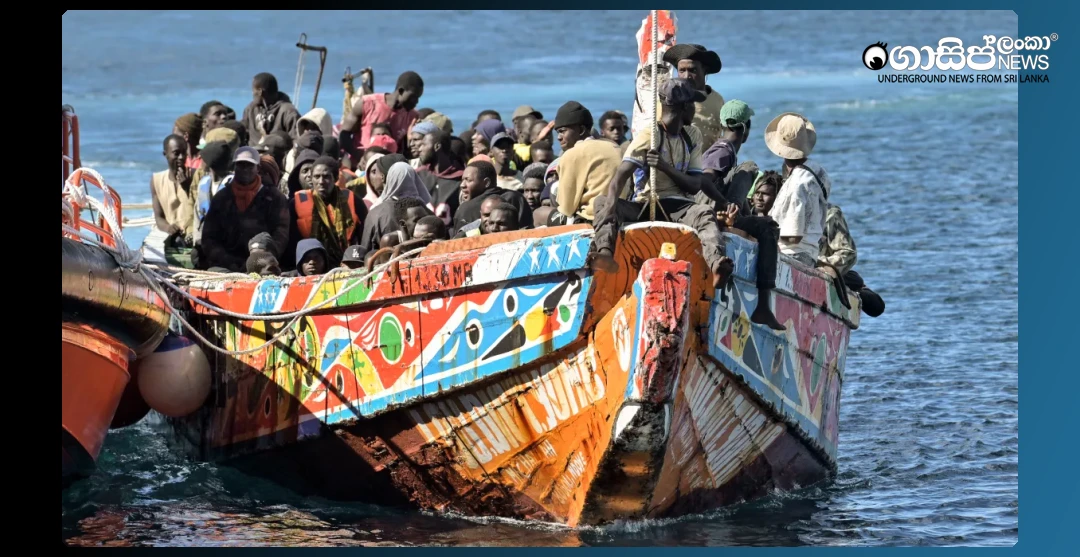
The entire Canary Islands archipelago is under severe pressure due to a historically high increase in migrants arriving from West Africa via the deadly Atlantic sea route.Saturday, November 14th, became a day that rewrote the 32-year recorded history of this sea route. On that day alone, between 1,488 and 1,580 migrants arrived at the islands in 14 to 15 boats, breaking the previous highest single-day record of 1,461 people recorded on November 7th, 2020. The majority of those who arrived on Saturday, between 1,235 and 1,327 people, disembarked on the small island of El Hierro. The remaining people arrived at Gran Canaria (around 203) and Tenerife (around 50) islands. With approximately 1,261 more people arriving at El Hierro in seven additional boats on Sunday, the total number of arrivals in just three days from Friday to Sunday, across 29 boats, increased to approximately 3,684.
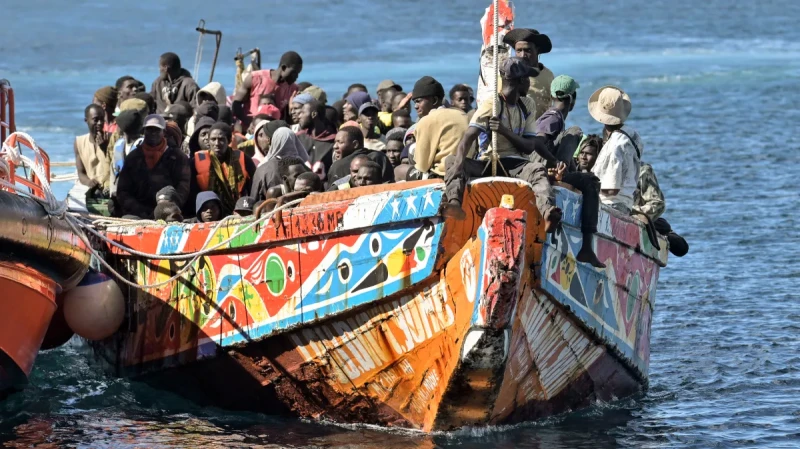
The nature of these overcrowded wooden fishing boats is clearly illustrated by one boat that arrived on Saturday. That single boat carried 240 people, including 12 women and 36 children. According to initial reports, over 120 minors arrived on Saturday alone, and a significant number of women and children are among the overall arrivals. Many of these individuals, who departed from Senegal, Gambia, or Mauritania, have spent between four and eight days, or even more, at sea.
The extent of this sudden increase is demonstrated by the fact that while only 66 boats arrived at El Hierro in the first ten months of 2026, approximately 9,000 to 10,000 people arrived on the island in about 96 boats in November alone. The total number of arrivals at El Hierro so far this year is around 17,000, and the total for the entire Canary Islands archipelago is between 24,000 and 27,000. By the end of October alone, this number had exceeded 13,000. These statistics have already surpassed the records for the full year of 2025 but are still below the peak of over 40,000 recorded in 2024.
Although migrant arrivals were very low in the first half of 2026, there has been a sharp increase since mid-October due to the relatively calm sea conditions in autumn. These groups, primarily arriving from Senegal, Gambia, Mauritania, and Guinea, have redirected their sea routes southward to avoid strict controls in the north. This has further extended the duration of some sea journeys.
In response to this unusual situation, the Spanish government has declared a migratory emergency for the archipelago, and the El Hierro Island Council has declared a social emergency due to the arrival of thousands within a few weeks. Canary Islands President Fernando Clavijo states that the situation in El Hierro is "absolutely unsustainable." He calls for an "immediate response" from the Madrid government and the European Union, including more staff, healthcare resources, and the rapid transfer of people from the island to other locations. He has also sent a letter to European Commissioner for Migration Magnus Brunner, urging him to confirm the establishment of European border agency 'Frontex' operations off Senegal and Gambia.
Meanwhile, Minister of Territorial Policy Ángel Víctor Torres, during an observation visit to La Restinga port, announced the deployment of a third 'Guardamar' rescue vessel and has convened an inter-ministerial commission meeting on Tuesday to discuss further steps. Funding of approximately 15.2 million euros for receiving and transferring migrants to other locations, and 1 million euros for the Red Cross, has also been agreed upon. The Spanish Maritime Rescue Service (Salvamento Marítimo) and numerous Civil Guard vessels are engaged in rescue operations, transferring hundreds of people to other islands or the Spanish mainland. However, at one point, approximately 1,600 people were reportedly still on El Hierro awaiting transfer. Due to insufficient resources, centers, hospitals, and local services are under severe pressure, and residents of La Restinga have protested against the situation.
Behind these statistics lies the horrific humanitarian tragedy of one of the world's deadliest migratory sea routes. The International Organization for Migration (IOM) has reported at least 450 deaths on this route in the first 10 months of 2026, while 'Caminando Fronteras', a Spanish organization, has reported at least 635 deaths in the first five months alone. Both figures are widely considered to be significant underestimates of the true death toll, as many boats disappear at sea without any survivors or bodies being found. Recent incidents include seven deaths during a rescue of over 380 people off Lanzarote on November 2nd, with even infants found in critical condition or deceased. This perilous journey takes days or weeks amidst rough seas, strong currents, and the risk of boats capsizing.
The Canary Islands, known as a major winter tourist destination, have today become the main gateway for West African migrants entering Europe. This wave of migration has become a critical political topic ahead of the Spanish general election, with some comparing it to previous pressures experienced in 'Ceuta'. After initial processing at ports like La Restinga, migrants are directed to temporary detention centers and beyond. Diplomatic relations with countries of origin, strengthening maritime rescue operations, and calling for greater cooperation mechanisms from the European Union have become part of the current response. However, as boats continue to arrive across the ocean, the statistics of this crisis are changing moment by moment.