![Gossip Lanka News [English]](https://blogger.googleusercontent.com/img/a/AVvXsEhYm2aFFq-bIW1nWX-RrqnPFoIsVos6_VCVz8BpLt0QJi55GNXHXC2fugeRvL0qUStEuCfs7Sfu6ZiSlhrkldxfGuE_wzy5gitY6rMZ2KSi8VBbGvkgXLks37RwZV-4-HKbWiNLRxB8C_r1e4z3mpxFTMPDJPEADoG8E-bZteWFipeD5KNGbjvCfqEfKw=s300 "Gossip Lanka News [English]")
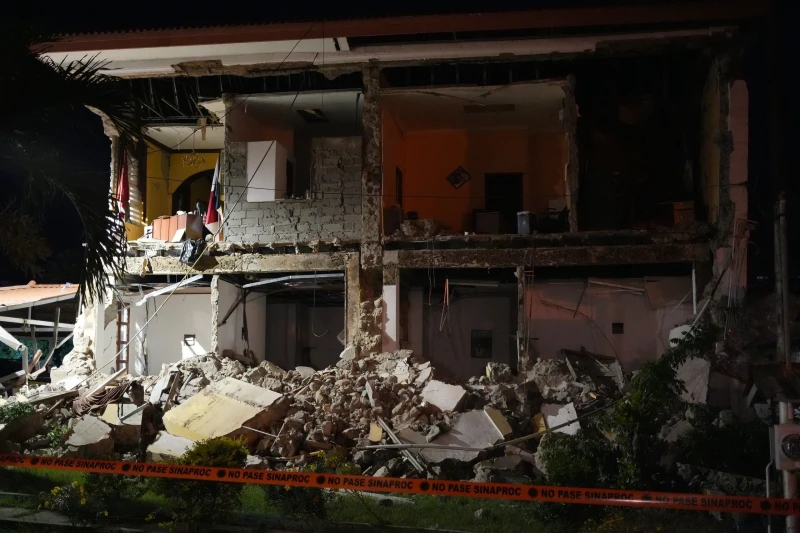
On Friday, October 9, 2026, the public park in Tonosí, Panama, was not the quiet place it usually was. After a massive earthquake of magnitude 7.7 on the Richter scale turned the entire city into rubble, this small park had been transformed into an open-air clinic, a community kitchen, and a refugee camp.
For over twenty-four hours, without electricity or water, amidst continuous aftershocks, people living on plastic chairs and mattresses are refusing to return to their homes.The earthquake in this tourist town, located 239 kilometers from the capital, occurred around 12:56 PM. According to the U.S. Geological Survey (USGS), the epicenter of this shallow earthquake, which originated at a depth of about 12 kilometers, was located approximately 12 kilometers from Tonosí. However, some local reports state that it was about 39 kilometers away.
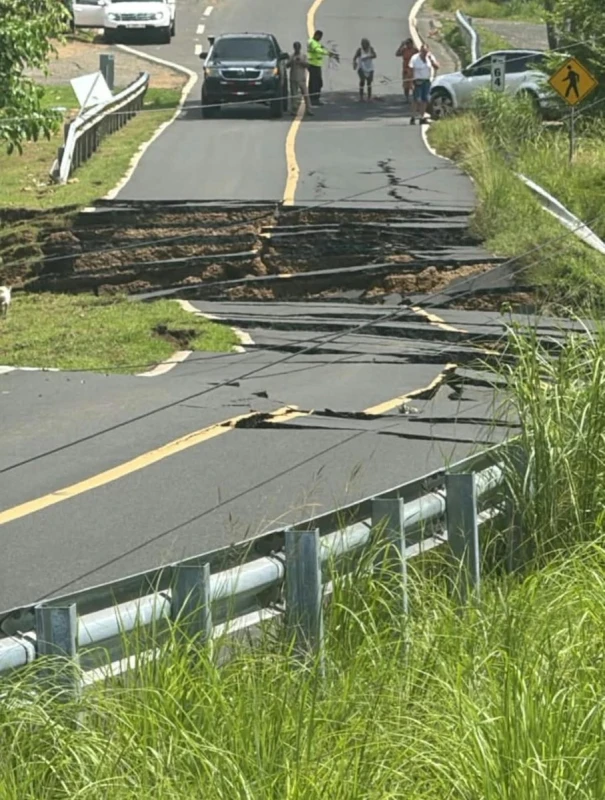
Access to the city by land has been completely blocked due to cracked roads, landslides, and fallen trees. The surrounding rural water systems have also collapsed, and relief officials had to reach the area by helicopter.
In the temporary camp in the park, three health center workers are seen cooking food on a wood-fired stove. "We prepare breakfast, lunch, and dinner for over a hundred people," says Argelis Ortega, who is seasoning pork.
Crystal Reyes, who is staying in the park with her family, says she saw a video sent by her husband showing their house completely collapsed, and she feels afraid even to go back towards it. She was working near the park when the tremor occurred and was also thrown to the ground.
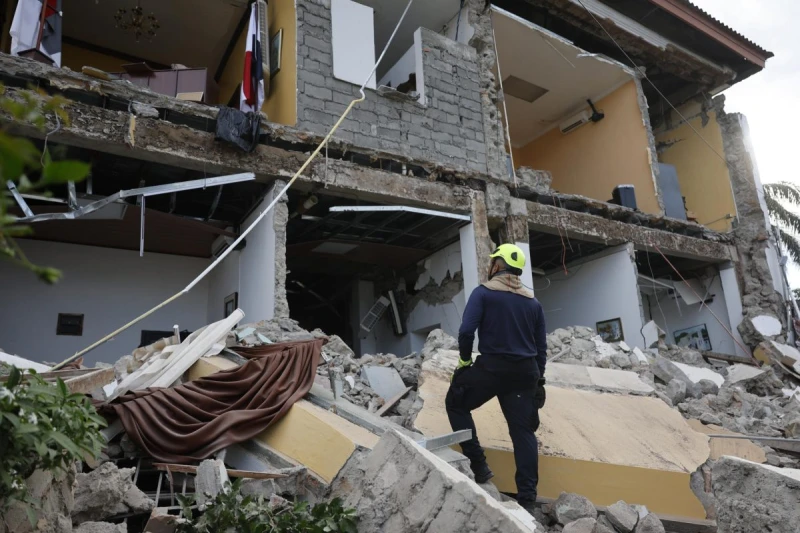
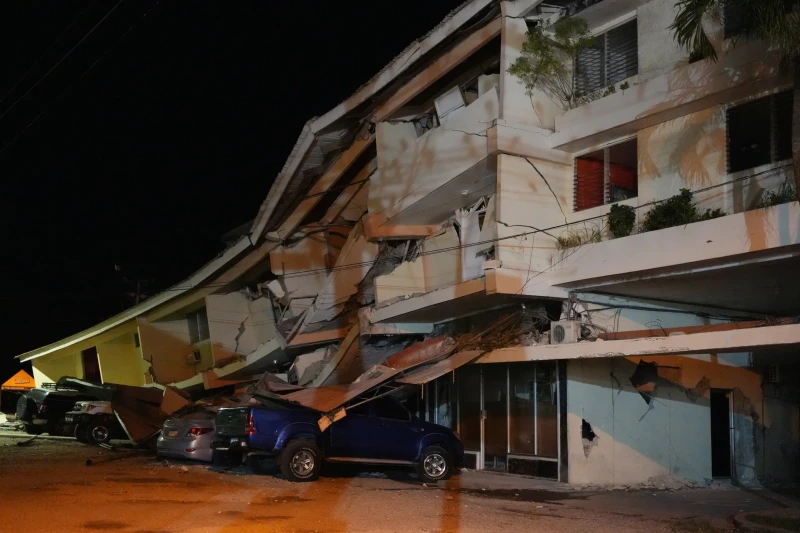
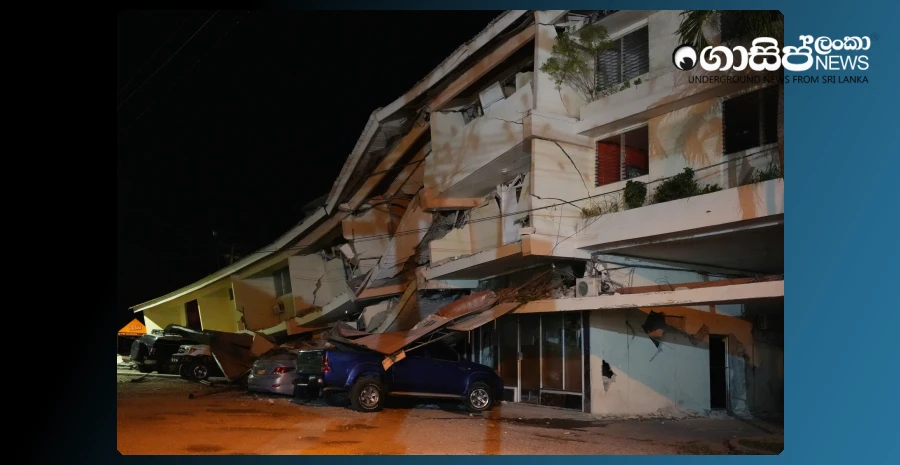
According to local resident José Domingo González, the ground shakes every five minutes. He described how firefighters rescued four people from the rubble of collapsed houses and an overturned hotel.
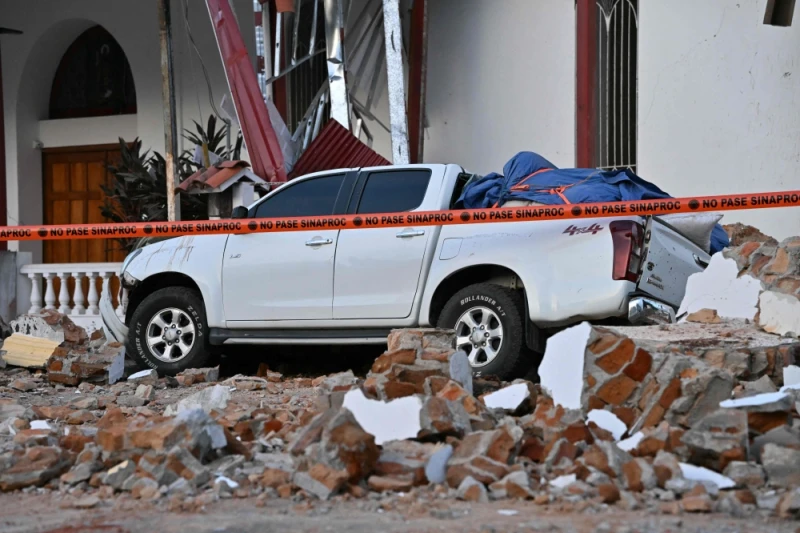
"There's no exaggeration, honestly, everything is destroyed," says Mayor Aníbal Domínguez. According to initial local reports, about a hundred houses have been severely damaged, including vehicles buried under collapsed walls and destroyed paddy fields.
Tonosí Rural Hospital has suffered complete structural damage, so all its patients have been moved to outdoor tents. Health Minister Fernando Boyd Galindo announced that a new hospital would be built within 18 months at a cost of 30 million dollars. Until then, steps have been taken to provide special air-conditioned tents for pregnant mothers and children.
Over a hundred aftershocks have been reported since the main tremor, including a strong aftershock of magnitude 6.6. However, no deaths have been reported so far, and the number of slightly injured people is around 27. To control the situation, the government has declared a national state of emergency and expects to allocate a fund of 100 million dollars for it. Panamanian President José Raúl Mulino surveyed the affected areas by helicopter and urged the public to remain calm.
The impact of this disaster has also been severely felt in the central provinces of Los Santos, Herrera, Coclé, and Veraguas. Electricity has been cut off in six provinces, and approximately 426 homes, 419 schools, and several historic churches have been damaged. The main water treatment plant supplying water to the capital is operating at 20% capacity. Schools across Panama have been closed, and amidst the immense property damage that is still being assessed, people in Tonosí and surrounding towns are spending the night outdoors with uncertainty about their future.