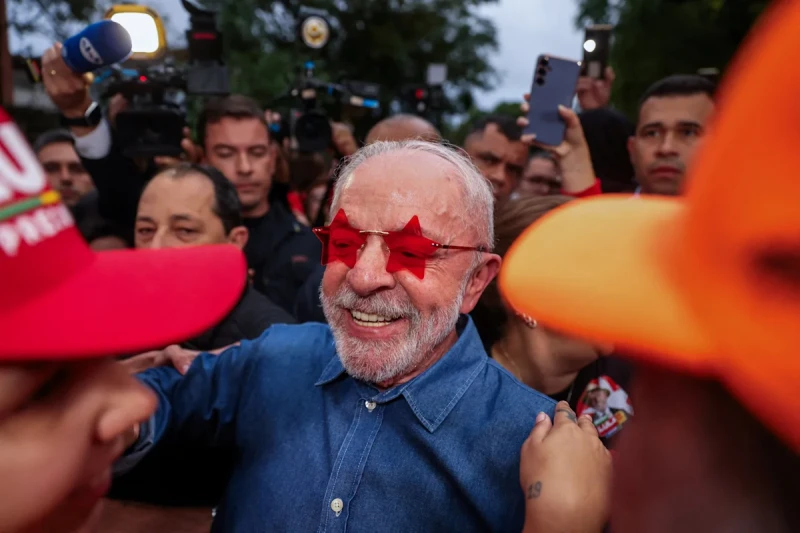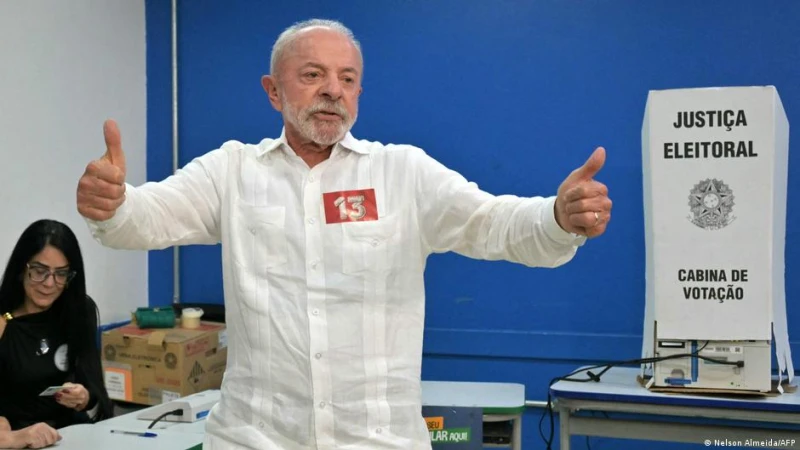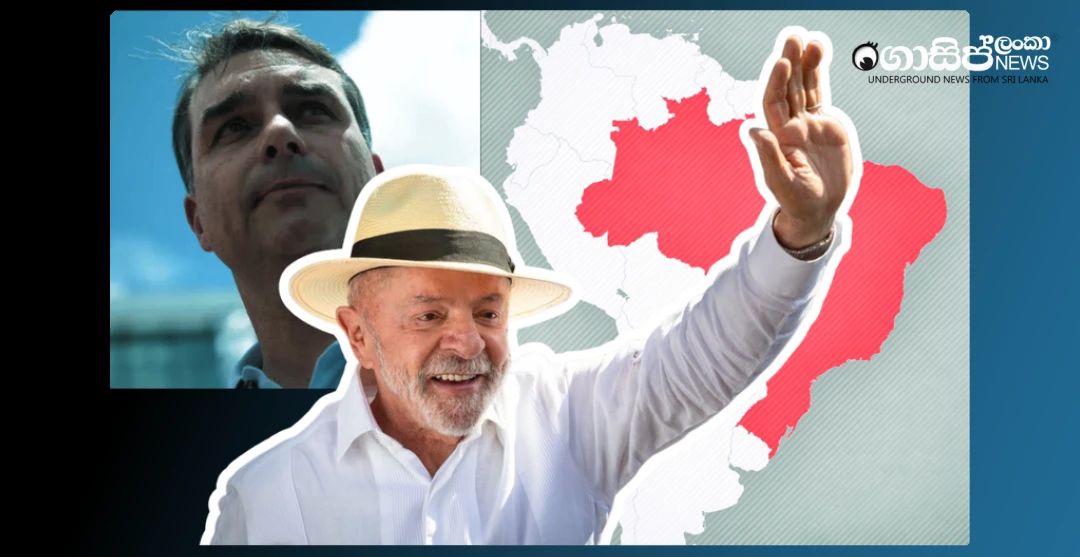
Marking an unprecedented turning point in Brazil's political history, Luiz Inácio Lula da Silva has achieved a historic victory in the second round of the country's presidential election. This is recorded as the first instance since Brazil's return to democracy in the 1980s that a candidate who placed second in the first round has won in the second round.
With this remarkable comeback, he was elected to the country's presidency for a fourth non-consecutive term.As the counting of votes in the crucial second round, held on October 25, reached its final stages, Lula managed to secure approximately 51.75% to 51.77% of the valid votes (roughly between 64.06 million and 64.19 million votes). His main rival, Flávio Bolsonaro, received between 48.23% and 48.25% (roughly between 59.7 million and 59.8 million votes). This result, confirmed by a margin of approximately 3.5% and over four million votes, has been officially announced by the Superior Electoral Court (TSE). The voter turnout, which was about 78.9% in the first round, increased to 80.8% in the second round.
This victory is even more remarkable given that Lula was trailing in the first round of voting held on October 4. At that time, Flávio Bolsonaro was ahead with 47.03% of the votes (approximately 56.1 million votes), while Lula had secured 45.16% (approximately 53.88 million votes). The remaining votes were split among other candidates, including Augusto Cury and Ronaldo Caiado, and since no candidate could exceed the fifty percent threshold, a second round became mandatory. However, in the second round, Lula significantly expanded his voter base, taking the lead and even surpassing the narrow victory Jair Bolsonaro achieved in 2022.
Lula, who is set to celebrate his 81st birthday in two days, is a former metalworker and trade union leader from São Bernardo do Campo in the ABC region of São Paulo. Having previously governed the country during the periods of 2003–2006, 2007–2010, and 2023–2026, he becomes the longest-serving democratic leader in modern Brazilian history and the oldest president to assume office. Constitutionally, he is not eligible to run for re-election consecutively in 2030, and he will be approximately 85 years old when this term ends. He is scheduled to be sworn in again with Geraldo Alckmin as Vice President for the 2027–2030 term on January 5, 2027.
On the other hand, 45-year-old Senator Flávio Bolsonaro, from Rio de Janeiro, entered the political arena with the ambition of revitalizing his father's political movement and building close ties with the Trump administration. His father, former President Jair Bolsonaro, is currently under house arrest and serving a 27-year prison sentence for plotting a coup after his defeat in 2022.
Election day was described as highly polarized and chaotic. Disruptions in public transport services, particularly in São Paulo and several other regions, made it difficult for voters to reach polling stations. Following a request from parties associated with the Workers' Party, the Supreme Court extended the voting period until 7 PM in affected areas. Throughout the election period, debates on platforms including Globo TV extensively discussed the cost of living, public safety, social welfare programs like Bolsa Família, poverty and hunger eradication, Amazon deforestation, corruption scandals, and foreign policy. Lula accused Flávio of prioritizing the American flag and making false statements, while emphasizing his own steps to reduce poverty, inequality, unemployment, and deforestation. Flávio, on the other hand, promised real change, restoration of purchasing power, security, and closer ties with the United States, while sharply criticizing Lula's governance record, as well as his age and experience. Following the first round, student-led protests and interventions by digital and public figures gave a strong boost to Lula's campaign. Lula publicly expressed gratitude to his supporters for their unprecedented love, stating that he entered the race solely for the Brazilian people.
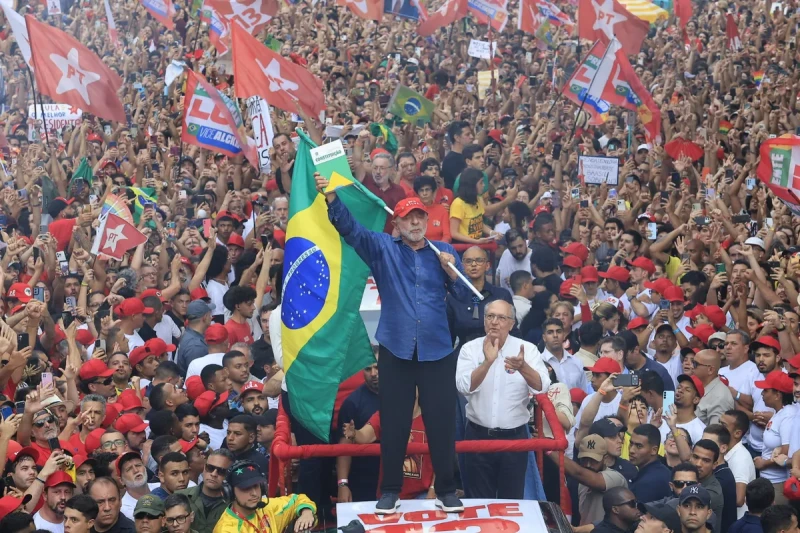
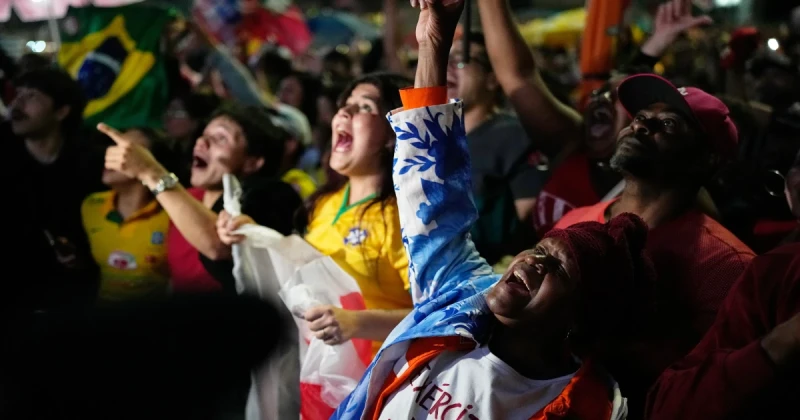
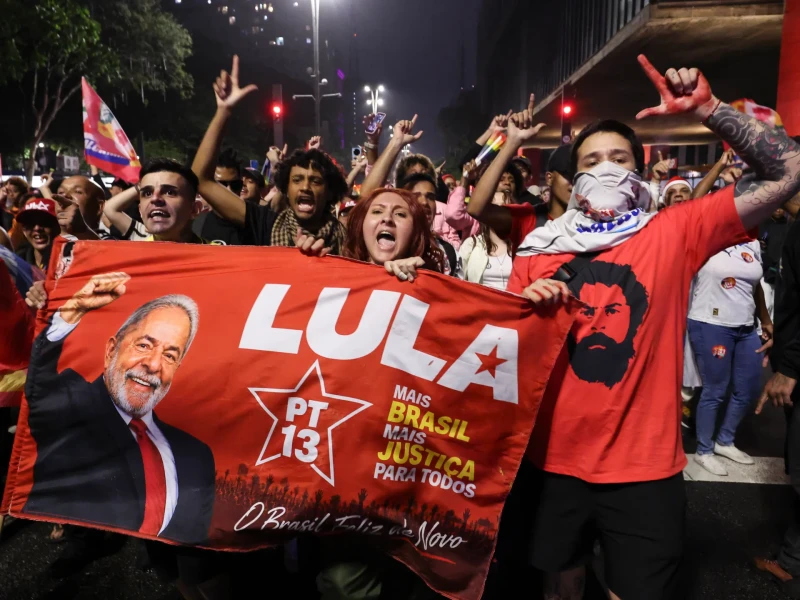
As the results were announced, Lula's supporters in São Paulo and other areas took to the streets, cheering and waving the flags of the Workers' Party and Brazil. They displayed banners inscribed with "Lula" and "Mais Brasil, Mais Justiça" (More Brazil, More Justice).
This result is considered a brake on the right-wing and anti-establishment wave that had been spreading across Latin America, supported by parties associated with Donald Trump, including Milei's government in Argentina. It will also ensure that the region's largest democracy and economy remain under a left-leaning government for another term, influencing Amazon preservation, climate policies, regional politics, and US-Brazil relations.
However, the upcoming governance will not be easy. Parliament, especially the Senate, remains tilted towards the right, and the PL party and its allies are expected to remain a strong force. Consequently, the government will have to operate through intense negotiations. The cost of living, security and combating organized crime, financial pressures, and environmental policy are among the main challenges to be addressed in the future.
Although some observers predicted potential legal challenges based on the extension of voting hours and other procedures, the Electoral Court confirmed Lula as the winner. The certified final vote counts from both sides, as well as official statements, are still being reported as the vote counting concludes.