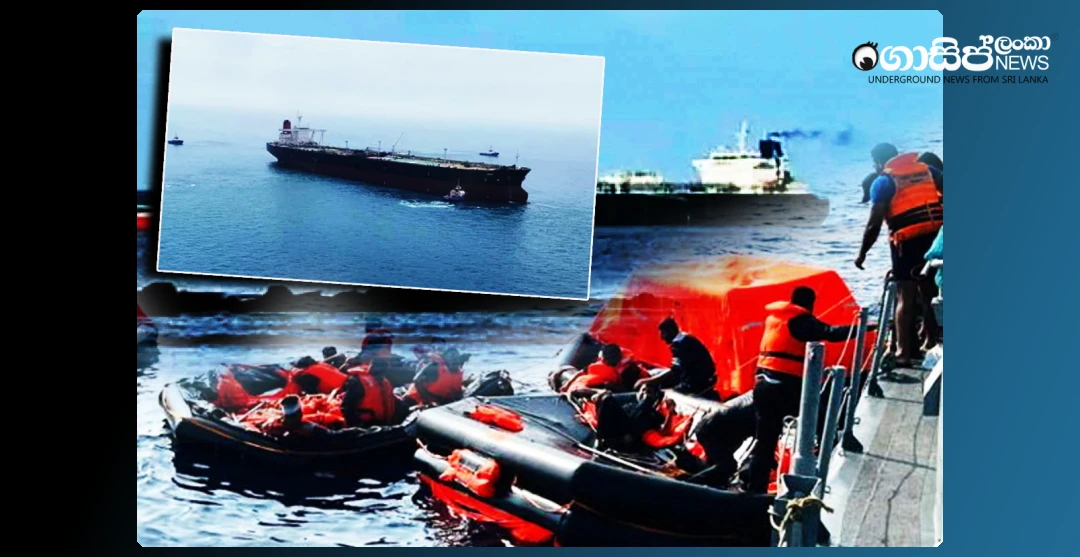
Twenty-seven sailors who were serving on several Iranian crude oil tankers stranded off the coast of Sri Lanka for months due to American sanctions and naval blockades have been brought to Galle Port due to an emergency medical condition. On the afternoon of October 24, 2026, this group was brought ashore by two Dora patrol boats belonging to the Sri Lanka Navy, once again bringing the tragedy of a modern geopolitical crisis closer to Sri Lanka's southern coast.
Following this operation, which was carried out with the intervention of the Ministry of Foreign Affairs, steps have been taken to transfer the sick sailors to a private hospital in Colombo for further treatment. Although these facts have been confirmed by the Southern Province Senior Deputy Inspector General of Police's office, no official statement has yet been issued regarding the nature of the illness affecting the sailors or their specific nationalities.
Commenting on this incident, Deputy Minister of Health Dr. Hansaka Wijemuni emphasized that Sri Lanka always acts in accordance with international conventions and laws regarding individuals arriving by sea, including refugees. He further stated that nationality is by no means a decisive factor here, and since these steps have been taken under the relevant legal frameworks, it should not be a problem for any country.
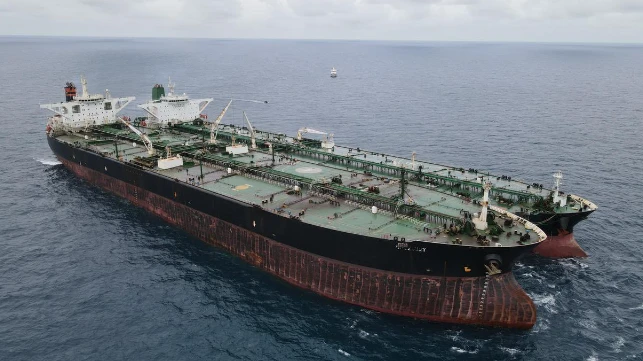
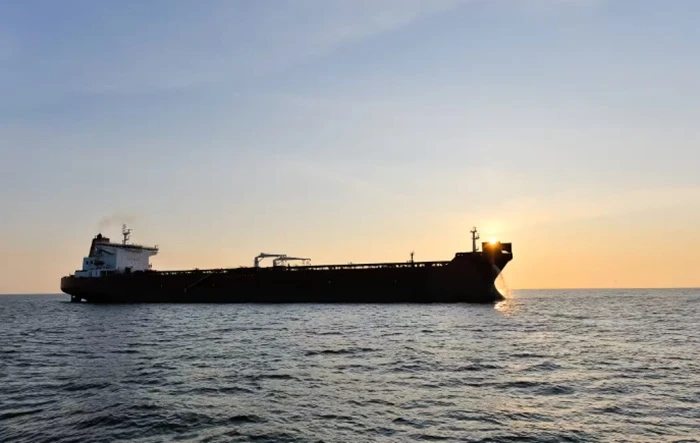
This medical evacuation operation is not an isolated incident. It is merely one outcome of the grim fate that has befallen between thirteen and twenty massive crude oil tankers belonging to the National Iranian Tanker Company (NITC), which have been anchored southwest of Galle, outside Sri Lanka's 12-nautical-mile zone (in the Exclusive Economic Zone), since July and August of this year. As observed by organizations like TankerTrackers and UANI, these giant vessels, which are empty after transferring their oil cargo to other ships near countries like Malaysia, have been unable to return to Iran due to the severe naval blockades imposed by the United States of America.
These blockades, imposed in April with the onset of the war in early 2026, were further tightened in July. As a result, these vessels have been forced to remain in international waters beyond a neutral country, and reports, including from the Wall Street Journal, indicate that the crews are currently facing severe shortages of food, drinking water, and fuel. It is said that water is so limited that some sailors are unable to even perform washing activities. Due to the high risk of secondary American sanctions, local companies have refused to provide supplies to these ships, and spokespersons for the Ministry of Foreign Affairs have also confirmed this stance.
Sri Lankan authorities indicate that these vessels are located 24 to 25 nautical miles away, i.e., outside Sri Lankan territorial waters, that no official request for assistance has been received from them, and that Sri Lanka prioritizes its national interests. However, humanitarian organizations emphasize that regardless of the exact distance of the ships, providing assistance to persons in distress at sea is mandatory under the United Nations Convention on the Law of the Sea (UNCLOS) and general humanitarian principles.
This is not the first time Iranian sailors have faced such a crisis in Sri Lankan waters. Previously, on March 4, 2026, the Iranian warship IRIS Dena was sunk by a torpedo attack from the American USS Charlotte submarine at a distance of 19 to 40 nautical miles from Galle. Between 84 and 87 sailors lost their lives, and nearly 32 rescued by the Sri Lanka Navy were treated at Karapitiya Hospital in Galle. Furthermore, the IRIS Bushehr, which suffered an engine malfunction, was brought under Sri Lankan control, and the majority of its crew of approximately 208 were evacuated to the Welisara Naval Base.
During that tragedy, President Anura Kumara Dissanayake stated that Sri Lanka had fulfilled its humanitarian obligations under international law. Months later, today, twenty-seven sick sailors are receiving treatment in Colombo. However, within approximately twenty empty giant vessels still floating off Galle without a proper solution, hundreds of other sailors, trapped between international sanctions and the struggle for survival, await their uncertain fate.