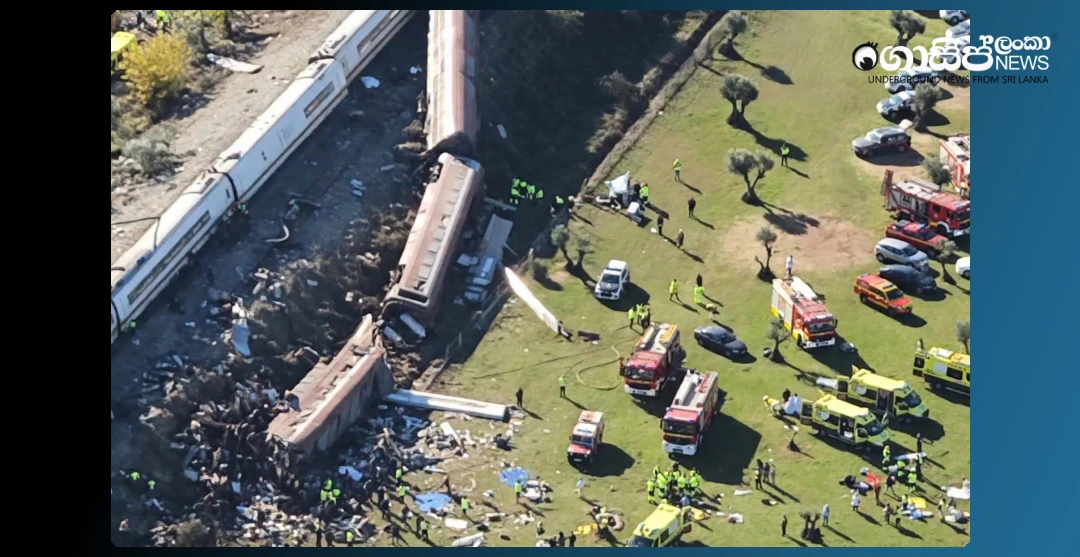
Spain's high-speed rail system is considered one of the most efficient and dense rail networks in Europe. However, on the morning of October 28, 2026, the journey of over five hundred passengers departing from the capital Madrid ended in an unexpected tragedy.
Near the 118th kilometer marker on the high-speed rail line connecting Madrid and Seville, at least 64 people died when the rear of a stationary passenger train was struck by another high-speed train traveling at speed.The first train to depart from Madrid's Puerta de Atocha station at approximately 7:54 AM was train number 6076, belonging to 'Iryo,' a private operating company majority-owned by Italy's Ferrovie dello Stato. Carrying 147 passengers, including a several-month-old infant, this train was traveling towards Seville-Santa Justa. A few minutes later, around 8:00 AM, the AVE 2080 high-speed train, belonging to the Spanish state-owned company 'Renfe,' departed on the same line. This train, equipped with Siemens Velaro carriages, carried 397 passengers, bringing the total number of passengers on both trains to 544.
Disruptions to the journey began around 8:30 AM. There was a sudden breakdown in the old 'LZB' automatic train protection and signaling system, which had been in use since this railway line opened approximately thirty years ago. Consequently, operational control was switched to the alternative Block Section Line (BSL) signaling system, and about eight trains operating in that zone had reportedly already stopped. The Iryo train, which was ahead, had also stopped in the rural Montes de Toledo area, between Moro, Orgaz, and Urda in the province of Toledo.
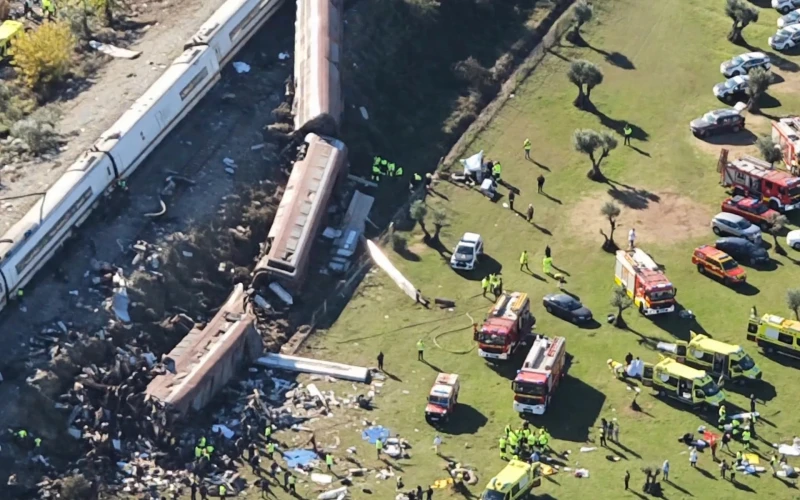
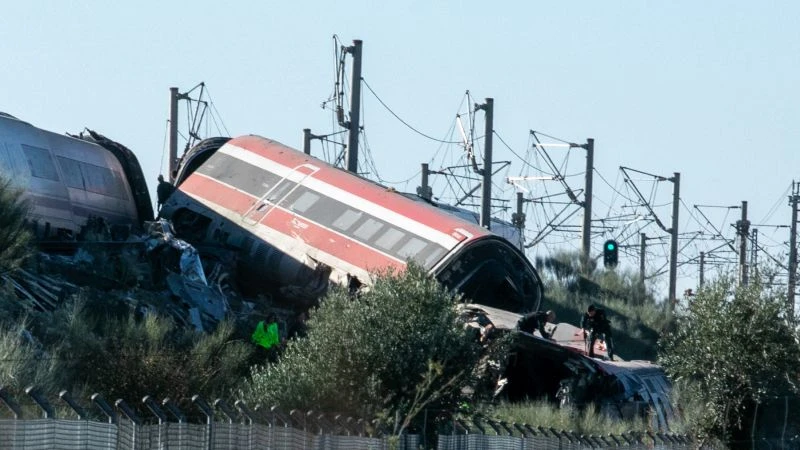
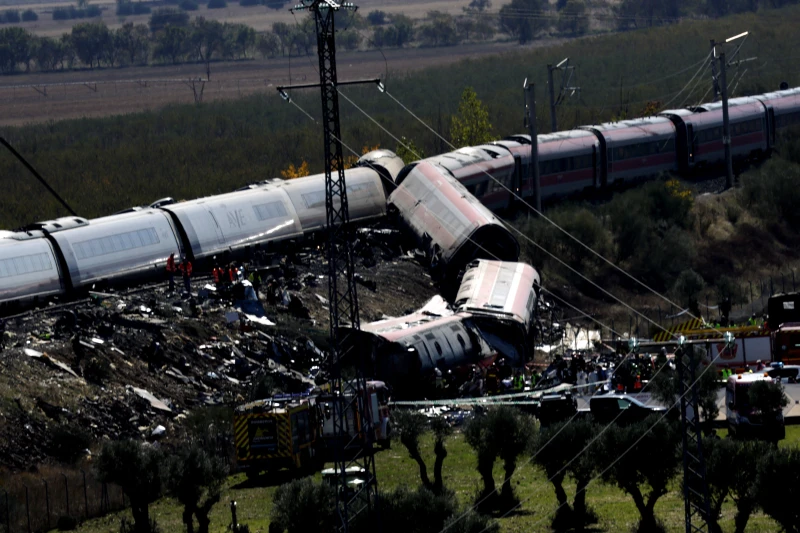
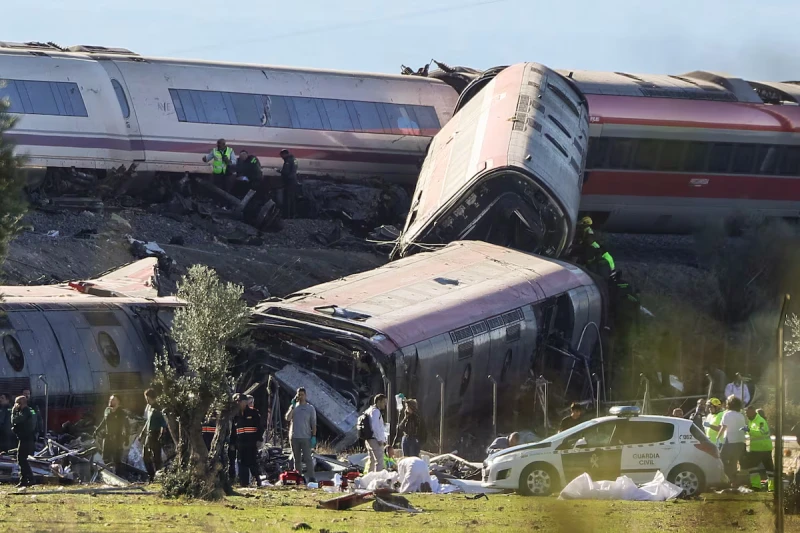
The tragedy occurred around 8:54 AM. The AVE train, approaching from behind, collided at high speed with the stationary Iryo train ahead. The force of the impact was so great that, according to surviving passengers, carriages derailed and tumbled down an embankment with a massive roaring sound that lasted for about ten seconds. The rear carriages of the eight-car Iryo train, as well as several front carriages of the AVE train, had left the tracks and fallen down the embankment, while several other carriages were partially derailed near the track. Although some initial reports indicated the train's speed exceeded 100 kilometers per hour at the time of the collision, information suggesting an even higher speed has not yet been officially confirmed.
According to the latest information confirmed by the Castilla-La Mancha regional government and local authorities, the number of fatalities from the accident has risen to 64. One official report states that approximately 40 of these were passengers on the Iryo train, and 24 were on the AVE train. The number of injured is officially reported to be between 58 and over 80, while initial estimates at the time of the accident suggested between 100 and over 179 injured. Authorities have warned that the death toll could rise further as operations to find those trapped in the wreckage are still ongoing.
Immediately after the accident, the Military Emergency Unit, the Guardia Civil police force, firefighters, and medical helicopters and intensive care ambulances called in from other areas arrived at the scene. Temporary treatment centers were quickly established near the town of Urda, and local villagers also came to provide drinking water and necessary assistance to the survivors.
Following the accident, high-speed train traffic between Madrid and Andalusia has been completely suspended in both directions. Prime Minister Pedro Sánchez was expected to visit the accident site, and the autonomous community of Andalusia declared three days of mourning. Heads of state, including King Felipe VI, have expressed their condolences, and European Commission President Ursula von der Leyen has stated that support will be provided for the investigations.
According to preliminary analyses conducted by the Ministry of Transport, Adif, and Spanish media, a human error at the Atocha control center is suspected as the main cause of this accident. It is alleged that after the LZB signal breakdown, when authorizing operation under the BSL system, a controller allowed the AVE train to proceed despite a train being stopped ahead or disregarding a red signal. Some reports refer to this as a Signal Passed at Danger (SPAD) incident. However, the independent Spanish Railway Accident Investigation Agency (CIAF/AITAT) has initiated an official investigation, and the definitive cause has not yet been officially declared.
This incident is the second fatal high-speed train accident on the same railway line in 2026. Previously, an accident in the Adamuz area last January killed 46 people, and the current accident becomes the third deadliest train disaster in Spain since the 1970s. The reliability of signaling systems, control center communication, and black box data on this line, which is being updated to the more advanced ERTMS system, are expected to receive significant attention in future judicial and technical investigations.