![Gossip Lanka News [English]](https://blogger.googleusercontent.com/img/a/AVvXsEhYm2aFFq-bIW1nWX-RrqnPFoIsVos6_VCVz8BpLt0QJi55GNXHXC2fugeRvL0qUStEuCfs7Sfu6ZiSlhrkldxfGuE_wzy5gitY6rMZ2KSi8VBbGvkgXLks37RwZV-4-HKbWiNLRxB8C_r1e4z3mpxFTMPDJPEADoG8E-bZteWFipeD5KNGbjvCfqEfKw=s300 "Gossip Lanka News [English]")
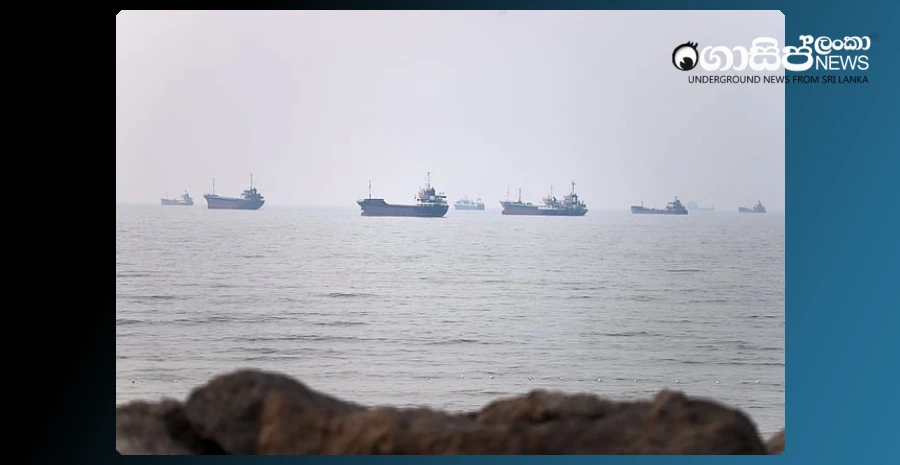
Within the last 24 hours, the fragile ceasefire between the United States and Iran has almost completely collapsed, leading to an escalation of intense military clashes between the two sides. This situation arose after US President Donald Trump declared the temporary ceasefire over, accusing Iran of attacking commercial vessels in the Strait of Hormuz.
Accordingly, American forces have launched extensive airstrikes on Iranian targets, and in response, Iran has launched missile and drone attacks on US-affiliated sites in the Gulf region and Jordan.Over the past 48 hours, the US has attacked nearly 170 targets, with the majority launched within the last day. These attacks primarily targeted Iran's coastal military infrastructure, resulting in 14 deaths and 78 injuries, according to the Iranian Ministry of Health. These attacks occurred amidst the burial of Iran's spiritual leader, Ayatollah Ali Khamenei, who died earlier in the conflict, creating a risk of severe regional unrest and widespread conflict.
According to the US Central Command, they intensified their military operations, launching overnight attacks on over 90 targets along the Iranian coast near the Strait of Hormuz. Port cities such as Bandar Abbas, Sirik, Bushehr, Chabahar, and Jask were hit by American strikes. Military infrastructure, air defense systems, and a railway line extending to Mashhad were among the targets, and power outages were reported in Chabahar. The US states that the purpose of these attacks is to cripple Iran's ability to threaten maritime navigation, while Iran has condemned this as an act of aggression. However, despite no direct damage to major oil refineries or facilities from these attacks, regional instability persists.
In response to US attacks, Iran launched ballistic missiles, cruise missiles, and drone attacks targeting US-affiliated sites in Kuwait, Bahrain, Qatar, and Muwaffaq Salti Air Base in Jordan. Kuwait successfully intercepted the attacks, with one person injured and property damage reported from missile debris. Bahrain and Qatar also activated their air defense systems, and Jordan managed to intercept eight missiles. Due to these defensive measures, no significant casualties have been reported on the American or Gulf sides, and Iran's strategy has been to exert indirect pressure by attacking US allies. Iranian officials state that they will decisively defend their rights in the Strait of Hormuz and have warned of further retaliation if American aggression continues.
These military clashes have severely disrupted maritime traffic in the Strait of Hormuz, a critical chokepoint for global oil transportation. According to Iranian statements, maritime traffic has recovered to 50% of pre-conflict levels, but threats persist. The Qatari Prime Minister has condemned the attacks on vessels and is making efforts to mediate, while Brent crude oil prices in the global market have slightly risen to $76 per barrel. The energy market remains vulnerable to further instability due to the risk of rerouting shipping lanes and increased insurance premiums.
Considering the internal situation in Iran, the body of the deceased Ayatollah Ali Khamenei was buried in Mashhad, and the funeral prayers were led by his son. During the funeral, two security guards were killed in a gunman's attack on a nearby security checkpoint, and security in the region has been tightened. Despite these events, Iran attempts to demonstrate its unity and steadfastness.
At the political level, President Trump stated he is open to negotiations but threatened more severe retaliation, declaring that immediate talks under the current circumstances would be fruitless. Iran claims it is responding by deviating from previous agreements, and international organizations point out that this could lead to long-term economic risks such as inflation, supply chain disruptions, and refugee issues. Despite America's superior military capabilities allowing for more attacks, Iran's main weapon remains its ability to block the Strait of Hormuz. This situation directly impacts countries like Sri Lanka, potentially leading to higher crude oil prices, increased import costs, and severe effects on foreign remittances from the Middle East, as well as geopolitical conditions.